

Emergency & Help
24/7 Emergency & General Advisory
🚨 24/7 Medical Emergency
Non-Emergency Advisory
10:00 AM – 6:00 PM, Mon–Sat
For appointments & general queries.
24/7 Emergency & General Advisory
🚨 24/7 Medical Emergency
Non-Emergency Advisory
10:00 AM – 6:00 PM, Mon–Sat
For appointments & general queries.
Explore the safety and benefits of rooibos tea during pregnancy. Learn why this caffeine-free herbal infusion is a comforting and healthy choice for expectant mothers.
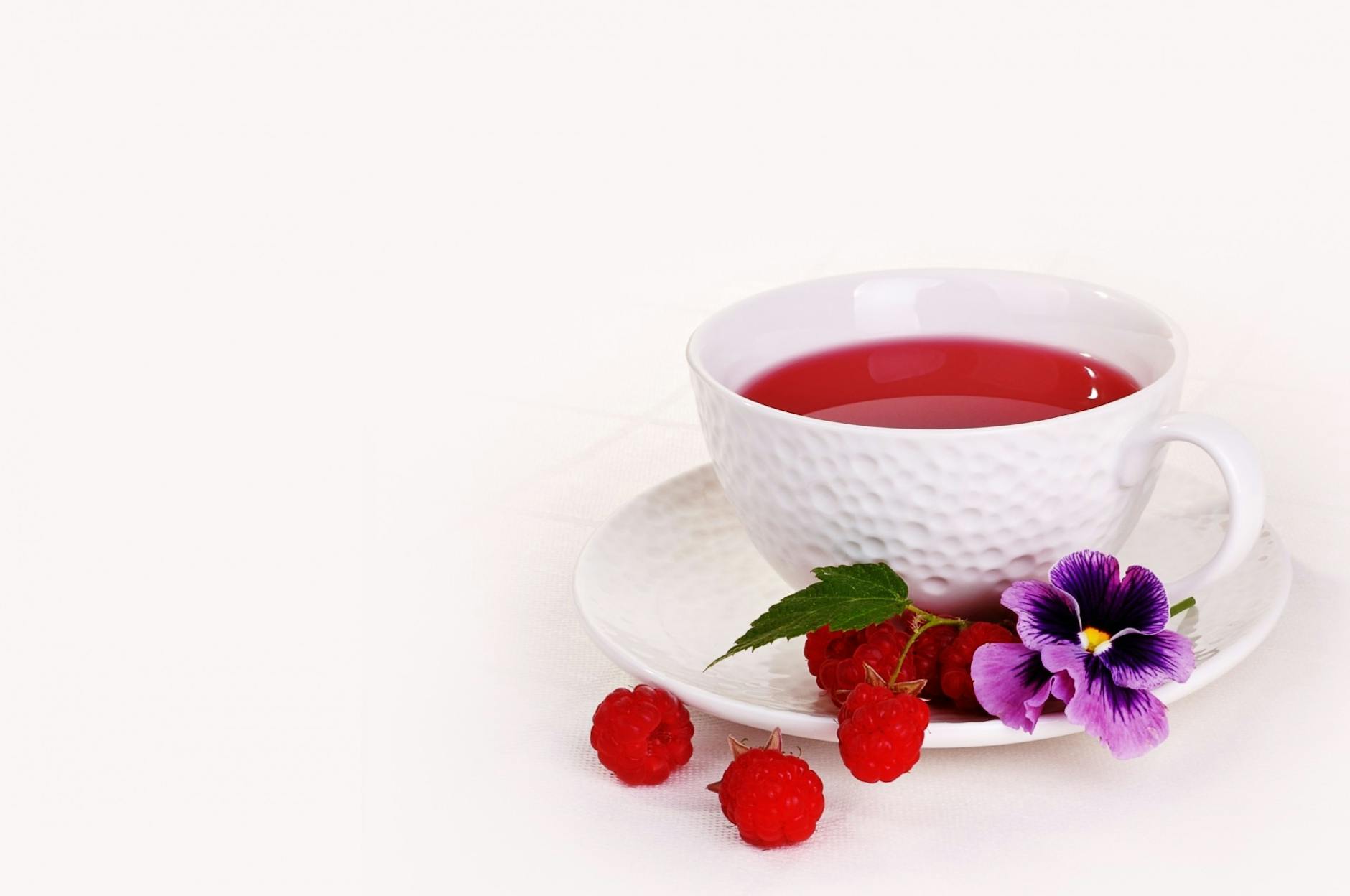
Pregnancy is a time of many changes, and one of the most common questions expectant mothers have is about what they can safely consume. When it comes to beverages, the choices can feel overwhelming. You might be giving up your usual coffee or black tea due to caffeine, and you're likely wondering about other options. Let's talk about rooibos tea, a popular herbal infusion that many find to be a comforting and safe choice during pregnancy.
Rooibos, pronounced ROY-boss, is an herbal tea made from the leaves of the Aspalathus linearis shrub, which is native to South Africa. Unlike traditional teas like black or green tea, which come from the Camellia sinensis plant, rooibos is caffeine-free. It has a naturally sweet, slightly nutty, and earthy flavour that many people enjoy. It's also rich in antioxidants, which can be beneficial for overall health.
In recent years, rooibos tea has gained significant popularity worldwide. Its versatility allows it to be mixed with various flavours, making it a delightful alternative to standard teas. For pregnant individuals, the appeal of a warm, flavourful, and caffeine-free beverage is undeniable.
The good news is that rooibos tea is widely considered safe to drink during pregnancy and even while breastfeeding. Unlike some herbal teas that may have contraindications during pregnancy, rooibos has not been linked to adverse effects. Its caffeine-free nature makes it an excellent alternative to caffeinated beverages like coffee, black tea, and green tea, which are often recommended to be consumed in moderation during pregnancy.
The American College of Obstetricians and Gynecologists (ACOG) recommends limiting caffeine intake to no more than 200 milligrams (mg) per day during pregnancy. Rooibos tea contains zero caffeine, making it a worry-free option for staying hydrated and enjoying a warm drink.
While extensive human studies on rooibos tea and pregnancy are limited, the available research is encouraging. One notable study involved pregnant rats, where those given rooibos tea for 21 days showed no adverse effects. In some cases, the study even suggested potential benefits that might enhance fertility, although more research is needed to confirm these findings in humans.
Generally, when it comes to herbal products during pregnancy, caution is advised. However, rooibos tea stands out as one of the herbal teas that are considered safe. It's always a good idea to consult with your healthcare provider about any specific concerns you might have regarding herbal consumption during pregnancy.
Beyond its safety profile, rooibos tea offers several potential benefits for pregnant individuals:
While rooibos tea is generally considered safe, moderation is always key, especially during pregnancy. Most sources suggest that drinking 2 to 3 cups of rooibos tea per day is perfectly fine. However, if you plan to consume significantly more than this, it's wise to discuss it with your obstetrician or gynecologist (OB-GYN).
There isn't a definitive upper limit established for rooibos consumption during pregnancy, as research is ongoing. Sticking to a moderate intake ensures you reap the benefits without any potential concerns. Remember, even safe foods and beverages should be consumed as part of a balanced diet.
It's helpful to understand how rooibos tea compares to other popular beverage choices during pregnancy:
An expectant mother, Priya, was experiencing persistent nausea and found herself reaching for sugary sodas to feel better, but she was worried about the sugar intake. Her doctor suggested trying herbal teas. Priya was hesitant, recalling warnings about certain herbs during pregnancy. After discussing her options, her doctor recommended rooibos tea as a caffeine-free, soothing alternative. Priya found that a warm cup of plain rooibos in the afternoon helped calm her stomach and provided a comforting ritual without any caffeine or excessive sugar.
While rooibos tea is widely regarded as safe, it's always best to err on the side of caution during pregnancy. You should consult your doctor or OB-GYN if:
Your healthcare provider can offer personalized advice based on your individual health profile and pregnancy journey.
Yes, rooibos tea is generally considered safe to drink while breastfeeding. It is caffeine-free, which is beneficial as caffeine can pass into breast milk.
No significant side effects have been reported for moderate consumption of rooibos tea during pregnancy. Its safety profile is well-established.
Some women find that the warm, soothing nature of rooibos tea can help alleviate mild nausea or morning sickness. However, it's not a guaranteed cure, and individual responses may vary.
Rooibos tea is widely available in most grocery stores, health food stores, and online retailers. Look for it in the tea aisle.
Both red and green rooibos come from the same plant. Red rooibos is the more common type, fermented, giving it a reddish-brown colour and a sweeter, more robust flavour. Green rooibos is unfermented and has a lighter flavour, often described as more grassy. Both are considered safe during pregnancy.
For expectant mothers seeking a warm, flavourful, and safe beverage, rooibos tea emerges as an excellent choice. Its caffeine-free nature, potential antioxidant benefits, and soothing properties make it a welcome addition to a pregnancy-friendly diet. While always maintaining moderation and consulting with your healthcare provider for personalized advice, you can enjoy a comforting cup of rooibos tea throughout your pregnancy and beyond.
Visit Hospital
Near You
Going past your due date can feel like being stuck in a waiting room with no clock. This guide walks you through what actually happens during monitoring after due date pregnancy — the tests, the decisions, and the emotions nobody really prepares you for.
May 20, 2026
Going past your due date can feel like being stuck in a waiting room with no clock. This guide walks you through what actually happens during monitoring after due date pregnancy — the tests, the decisions, and the emotions nobody really prepares you for.
May 20, 2026
If you’re close to your due date and feeling stuck in waiting mode, this breaks down induction of labor methods in a way that actually makes sense. No jargon, no fluff—just what works, what doesn’t, and what it really feels like from a human perspective.
May 20, 2026