

Emergency & Help
24/7 Emergency & General Advisory
🚨 24/7 Medical Emergency
Non-Emergency Advisory
10:00 AM – 6:00 PM, Mon–Sat
For appointments & general queries.
24/7 Emergency & General Advisory
🚨 24/7 Medical Emergency
Non-Emergency Advisory
10:00 AM – 6:00 PM, Mon–Sat
For appointments & general queries.
Learn how to safely resume running after pregnancy, focusing on gradual recovery, pelvic floor strength, and listening to your body. Get expert tips for new moms.
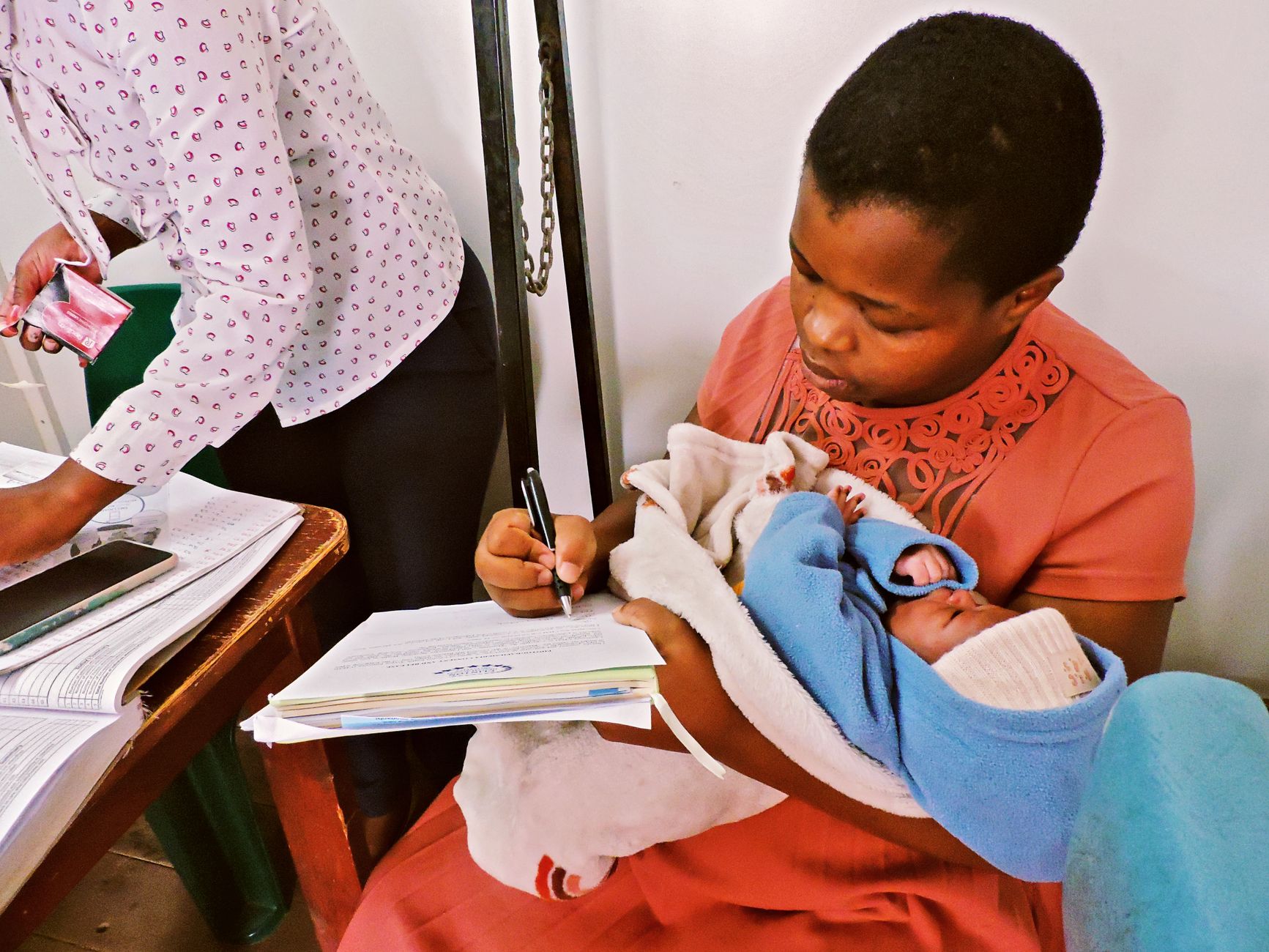
Congratulations on your new arrival! As you navigate the beautiful, yet demanding, journey of motherhood, you might be wondering about getting back to your pre-pregnancy fitness routine, especially running. It's a common thought for many new moms who want to regain strength, manage energy levels, and enjoy some 'me-time'. The good news is that running after pregnancy is often very achievable. However, it's not a race! Your body has undergone significant changes, and recovery is paramount. This guide will help you understand when and how to safely resume running, ensuring you prioritize your health and well-being.
The timeline for returning to running is highly individual. While some sources suggest waiting until 12 weeks postpartum, active recovery and preparation can begin much sooner. Your doctor or a physical therapist specializing in pelvic floor health will be your best guides. Typically, around 6 weeks postpartum, you can start focusing on regaining strength in your pelvic floor and core muscles. This is a gentle beginning, focusing on exercises like pelvic tilts and bent knee fallouts. Remember, every body heals differently, and there's no one-size-fits-all answer. Rushing back too soon can lead to complications and prolong your recovery.
Consider this scenario: Priya, a new mother, felt eager to hit the trails just 8 weeks after her C-section. She loved her morning runs and felt 'mostly' healed. Despite her enthusiasm, she experienced sharp pelvic pain on her first attempt. This highlighted the importance of listening to her body and seeking professional advice before resuming high-impact activities.
Before you even think about lacing up your running shoes, your body needs a solid foundation. Hormones like relaxin, which helped your ligaments loosen during pregnancy, can linger for up to six months postpartum, making your joints more susceptible to injury. Therefore, rebuilding strength and stability is key.
Your pelvic floor muscles and core supported your growing baby and were significantly impacted during childbirth. Rebuilding their strength and coordination is the first step. These exercises help prevent issues like stress incontinence and pelvic organ prolapse.
Once you can walk for 30 minutes without any pain or discomfort, you can start incorporating short running intervals. This gradual approach allows your body to adapt to the impact and stress of running.
While returning to running, be vigilant for any signs that your body isn't ready. These are signals to slow down or stop and seek professional help:
If you notice any of these symptoms, it's crucial to pause your running routine and consult your healthcare provider or a pelvic floor physical therapist. They can assess your condition and provide a tailored plan for your recovery.
It’s always best to get clearance from your healthcare provider before resuming any strenuous exercise, including running. A physical therapist, especially one specializing in postpartum care and pelvic floor health, can provide invaluable guidance. They can assess your core and pelvic floor strength, identify any potential issues like diastasis recti, and create a personalized return-to-running program for you. Don't hesitate to seek their expertise; they are there to support your safe return to fitness.
Running after a C-section requires extra caution due to the abdominal incision. You'll likely need to wait longer than after a vaginal birth. Focus on healing your scar and regaining core strength gradually. Always get clearance from your doctor, and they may recommend specific exercises to support your recovery.
The hormone relaxin can stay in your system for up to six months postpartum. This means your joints may remain more lax during this period, so be mindful of uneven surfaces and avoid overstretching.
Light spotting might occur, especially if you resume running soon after birth. However, if the bleeding increases significantly or is accompanied by pain, stop running and consult your doctor immediately.
Some women find belly bands helpful for providing support and confidence during postpartum running. However, they should not be used as a substitute for strengthening your core and pelvic floor muscles. Consult your physical therapist about whether a belly band is appropriate for you.
Visit Hospital
Near You

Going past your due date can feel like being stuck in a waiting room with no clock. This guide walks you through what actually happens during monitoring after due date pregnancy — the tests, the decisions, and the emotions nobody really prepares you for.
May 20, 2026
Going past your due date can feel like being stuck in a waiting room with no clock. This guide walks you through what actually happens during monitoring after due date pregnancy — the tests, the decisions, and the emotions nobody really prepares you for.
May 20, 2026

If you’re close to your due date and feeling stuck in waiting mode, this breaks down induction of labor methods in a way that actually makes sense. No jargon, no fluff—just what works, what doesn’t, and what it really feels like from a human perspective.
May 20, 2026