

Emergency & Help
24/7 Emergency & General Advisory
🚨 24/7 Medical Emergency
Non-Emergency Advisory
10:00 AM – 6:00 PM, Mon–Sat
For appointments & general queries.
24/7 Emergency & General Advisory
🚨 24/7 Medical Emergency
Non-Emergency Advisory
10:00 AM – 6:00 PM, Mon–Sat
For appointments & general queries.
Exploring the use of saffron (kesar) during pregnancy in India. Learn about traditional beliefs, scientific evidence, potential benefits, risks, and when to consult your doctor.

Pregnancy is a time of great joy, but it also brings a wave of questions, especially regarding diet. As expectant mothers in India navigate traditions and modern advice, one spice often comes up: saffron, or kesar . Known for its vibrant colour, distinct flavour, and high cost, saffron holds a special place in Indian cuisine and culture. Many believe it offers numerous benefits during pregnancy, from improving the baby's complexion to easing common discomforts. But what does the science say? Is saffron truly safe and beneficial for you and your baby throughout your pregnancy journey? Let's explore the knowns and unknowns, keeping in mind the unique perspective of Indian traditions. In India, dietary choices during pregnancy are often influenced by a mix of ancestral wisdom, community beliefs, and evolving scientific understanding. Saffron, or kesar , is one such spice that has been part of this traditional dietary advice for generations. It's not uncommon for grandmothers and elders to recommend saffron for expectant mothers, citing its perceived ability to bestow a fair complexion upon the baby or to ensure a smooth pregnancy. These beliefs are deeply ingrained, stemming from a time when empirical evidence was less accessible, and cultural practices played a more dominant role in guiding health decisions. The allure of saffron goes beyond its culinary uses. It's believed to possess medicinal properties, and its use in traditional Indian medicine, like Ayurveda, is well-documented. However, when it comes to pregnancy, a period of heightened vulnerability for both mother and child, it's essential to approach any dietary supplement or spice with caution and rely on evidence-based information. While cultural practices offer valuable insights, they must be balanced with scientific research to ensure the safety and well-being of the mother and her developing baby. Understanding Saffron (Kesar) Saffron is derived from the stigma of the Crocus sativus flower. It's renowned as the world's most expensive spice due to the incredibly labour-intensive process of harvesting its delicate threads. This painstaking collection method, usually done by hand, contributes to its premium price tag. Beyond its value and flavour, saffron is packed with antioxidants and is thought to have various health benefits. These properties have led to its use in traditional medicine systems worldwide, including in India, for conditions ranging from mood enhancement to pain relief. Its rich colour and aroma make it a prized ingredient in festive Indian sweets and dishes. Saffron's Traditional Role in Indian Pregnancy Beliefs In many parts of India, saffron is considered a 'warm' spice, and its consumption during pregnancy is often encouraged, particularly after the first trimester. The belief that it can lead to a baby with a fairer complexion is widespread, a notion rooted in historical and societal preferences. Additionally, it's thought to help with: Improving digestion: Some believe it aids in processing food more efficiently. Boosting immunity: Its perceived antioxidant properties are thought to strengthen the mother's defence system. Enhancing mood: There's a folk belief that it can help expectant mothers feel happier and more content. Promoting uterine health: It's sometimes suggested to maintain uterine tissue elasticity, potentially easing childbirth. These beliefs, passed down through generations, shape dietary recommendations for pregnant women in Indian households. However, it's crucial to separate cultural traditions from scientifically proven facts. What Does the Science Say About Saffron and Pregnancy? While traditional beliefs are significant, modern science offers a more nuanced perspective on saffron consumption during pregnancy. Research is ongoing, and findings can sometimes be mixed, highlighting the need for a balanced approach. Saffron in the First Trimester: A Cautionary Note The first trimester is a critical period of development for the baby. Some research suggests that high doses of saffron may increase the risk of miscarriage. For instance, studies have cautioned against consuming more than 5 grams of saffron per day during pregnancy, as it can stimulate the uterus. Furthermore, a small study in 2014 observed higher miscarriage rates among female farmers exposed to saffron during their first trimester. While this doesn't directly translate to culinary consumption, it raises a flag. Therefore, many experts advise caution and suggest avoiding saffron, especially in larger quantities, during the initial phase of pregnancy. Saffron After the First Trimester: Potential Benefits and More Research Needed As pregnancy progresses beyond the first trimester, the conversation around saffron shifts slightly. Some proponents suggest consuming moderate amounts, perhaps 0.5 to 2 grams daily, to maintain uterine tissue elasticity. However, robust scientific evidence supporting this specific benefit is limited. Labor and Delivery: A randomized clinical trial involving 50 women at full term explored saffron's effect on labor. The results indicated that saffron might help ripen the cervix and prepare it for labor. However, the researchers emphasized that more studies are needed to confirm its impact on the actual delivery process. This suggests a potential role, but not a definitive one, in the later stages of pregnancy. Postpartum Depression: Exciting research has emerged regarding saffron's potential in managing postpartum depression (PPD). A 2017 randomized clinical trial with 60 new mothers found that saffron supplementation appeared to help alleviate symptoms of PPD. This is a promising area, suggesting that saffron might offer benefits in the postpartum period, though it should always be discussed with a healthcare provider. Potential Side Effects and Risks While saffron is generally safe in small culinary amounts, consuming large quantities or supplements can pose risks: Uterine stimulation: As mentioned, high doses can potentially trigger uterine contractions, which is a concern, especially in early pregnancy. Nausea and vomiting: Some individuals may experience digestive upset, including nausea and vomiting, with excessive saffron intake. Dizziness and dry mouth: In rare cases, high doses have been linked to dizziness and a dry mouth. Allergic reactions: Though uncommon, allergic reactions to saffron are possible. Practical Advice for Expectant Mothers in India Navigating dietary choices during pregnancy can feel overwhelming, especially with conflicting advice from various sources. Here’s how you can approach saffron consumption: 1. Consult Your Doctor or Healthcare Provider This is the most important step. Before making any changes to your diet or introducing supplements like saffron, discuss it with your obstetrician or gynecologist. They can provide personalized advice based on your health history, pregnancy stage, and any specific risk factors. Scenario: Maya, 30, is 12 weeks pregnant and her mother-in-law insists she add saffron to her milk every night for a fair-skinned baby. Maya feels a bit uneasy about it and decides to ask her doctor during her next antenatal check-up. Her doctor advises her to hold off on saffron for now, especially given it's her first trimester, and explains that a baby's skin tone is primarily determined by genetics, not diet. 2. Prioritize Small Culinary Amounts If your doctor approves, using saffron in small quantities as a flavouring and colouring agent in traditional Indian dishes like kheer, biryani, or sweets is generally considered safe. These amounts are typically too small to pose a significant risk. 3. Be Wary of Supplements and High Doses Avoid saffron supplements or consuming large quantities of saffron threads, especially during the first trimester. The risks associated with high doses outweigh the unproven benefits for complexion. 4. Understand the Genetics of Skin Tone It's essential to understand that a baby's skin tone is predominantly determined by genetics. While cultural beliefs about fairer skin are prevalent in India, relying on dietary factors like saffron to influence this is not scientifically supported and can create unnecessary pressure. 5. Focus on a Balanced, Nutritious Diet The most effective way to ensure a healthy pregnancy is to focus on a well-balanced diet rich in essential nutrients. Include plenty of fruits, vegetables, whole grains, lean proteins, and dairy. If you're concerned about specific nutrient deficiencies, consult your doctor about appropriate prenatal vitamins or supplements. When to Seek Medical Advice You should always consult your healthcare provider if you experience any unusual symptoms during pregnancy, such as: Severe nausea or vomiting Abdominal pain or cramping Vaginal bleeding Any concerns about your diet or the supplements you are taking Regarding saffron, if you have any doubts or concerns about its use, always err on the side of caution and seek professional medical guidance. Frequently Asked Questions (FAQs) Q1: Can I have saffron milk during pregnancy? A: If your doctor approves and you are past your first trimester, a small amount of saffron in milk might be acceptable. However, always confirm with your healthcare provider first, as individual health conditions vary. Q2: Does saffron really make the baby's skin fair? A: There is no scientific evidence to support the claim that saffron consumption during pregnancy makes a baby's skin fairer. A baby's skin tone is determined by genetics. Q3: What is a safe amount of saffron to consume during pregnancy? A: Culinary amounts used in cooking are generally considered safe, especially after the first trimester. However, avoid high doses or supplements unless specifically advised and monitored by a doctor. Some research suggests avoiding more than 5 grams per day, and even smaller amounts might be advised, particularly in early pregnancy. Q4: Are there
In summary, timely diagnosis, evidence-based treatment, and prevention-focused care improve long-term health outcomes.
Visit Hospital
Near You
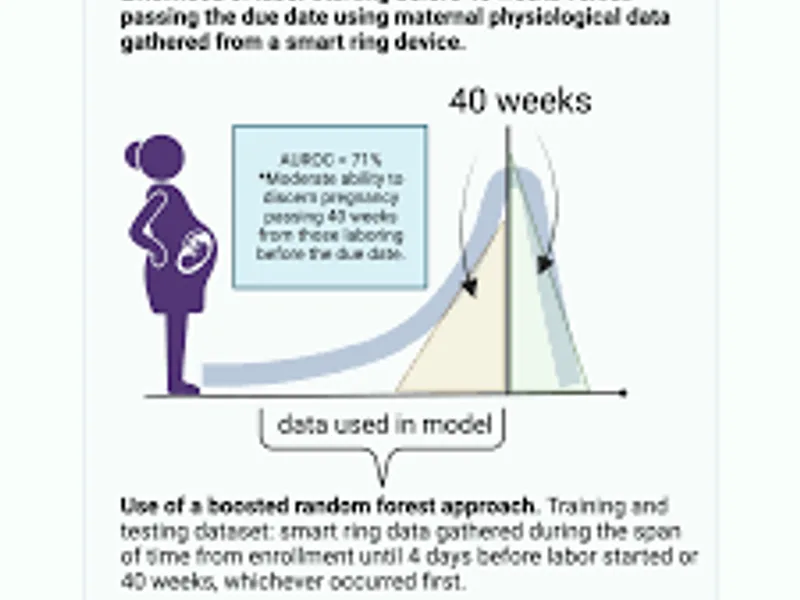
Going past your due date can feel like being stuck in a waiting room with no clock. This guide walks you through what actually happens during monitoring after due date pregnancy — the tests, the decisions, and the emotions nobody really prepares you for.
May 20, 2026
Going past your due date can feel like being stuck in a waiting room with no clock. This guide walks you through what actually happens during monitoring after due date pregnancy — the tests, the decisions, and the emotions nobody really prepares you for.
May 20, 2026
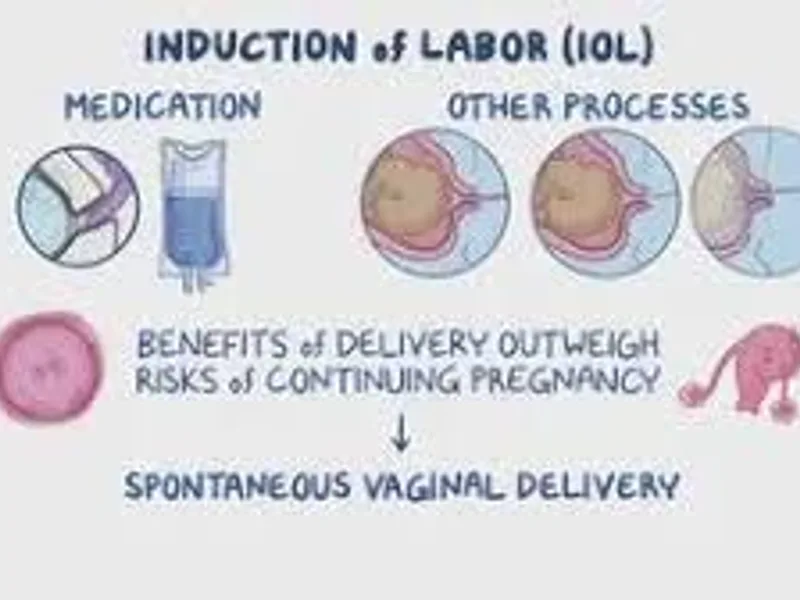
If you’re close to your due date and feeling stuck in waiting mode, this breaks down induction of labor methods in a way that actually makes sense. No jargon, no fluff—just what works, what doesn’t, and what it really feels like from a human perspective.
May 20, 2026