

Emergency & Help
24/7 Emergency & General Advisory
🚨 24/7 Medical Emergency
Non-Emergency Advisory
10:00 AM – 6:00 PM, Mon–Sat
For appointments & general queries.
24/7 Emergency & General Advisory
🚨 24/7 Medical Emergency
Non-Emergency Advisory
10:00 AM – 6:00 PM, Mon–Sat
For appointments & general queries.
Learn how to manage shingles while breastfeeding. Discover essential precautions, treatment options, and when to seek medical advice to protect both you and your baby.

Becoming a new mother is a joyous occasion, but it can also bring unexpected health challenges. One such concern that may arise is shingles, especially if you've had chickenpox in the past. Shingles, caused by the varicella-zoster virus (the same virus that causes chickenpox), can be a painful experience. If you are breastfeeding or chestfeeding your baby and develop shingles, it's natural to worry about how it might affect your ability to nurse and, more importantly, your baby's health. This guide provides comprehensive information on managing shingles while nursing, ensuring both your well-being and your baby's safety.
Shingles, also known as herpes zoster, is a viral infection that causes a painful rash. It typically appears as a strip of blisters on one side of the body, often on the torso, but it can occur anywhere. The virus lies dormant in nerve tissue after a chickenpox infection and can reactivate years later, leading to shingles. The primary symptom is pain, often described as burning, tingling, or numbness, followed by a rash that develops a few days later.
The good news is that you can often continue to nurse your baby even if you have shingles. However, this depends heavily on the location of the shingles rash. The key concern is the potential transmission of the varicella-zoster virus to your baby through direct contact with the active shingles blisters. If the rash is not on or near your breast, or if it's on a breast you are not currently using for nursing, you may be able to continue nursing with precautions.
A baby can contract the varicella-zoster virus from someone with shingles if they come into direct contact with the fluid from active shingles blisters. This exposure can cause the baby to develop chickenpox, as they likely haven't had chickenpox before and are not immune. It's crucial to understand that the virus is NOT transmitted through breast milk itself. The risk is solely through direct skin-to-skin contact with the active rash.
If you have shingles and are breastfeeding, taking strict precautions is essential to protect your baby and other family members. Your healthcare provider will guide you on the best course of action based on your specific situation.
There is no definitive data suggesting that shingles is more common in the postpartum period. However, the postpartum phase can be a time of significant physical and emotional stress for new mothers. Stress is known to weaken the immune system, which can make individuals more susceptible to viral reactivation, including shingles, especially if they have a history of chickenpox.
If the shingles rash prevents you from breastfeeding or chestfeeding directly, it’s essential to maintain your milk supply. Continue to express your milk regularly using a breast pump. This is crucial for preventing painful conditions like mastitis (inflammation of the breast tissue).
Prompt treatment for shingles is crucial to reduce its severity, shorten the duration of the illness, and prevent complications. Antiviral medications, such as acyclovir, valacyclovir, and famciclovir, are most effective when started within 72 hours of the rash appearing. These medications can help speed up healing and reduce the risk of long-term nerve pain, known as postherpetic neuralgia (PHN).
Pain management is also a significant part of shingles treatment. Over-the-counter pain relievers like ibuprofen or acetaminophen can help with mild pain. For more severe pain, your doctor may prescribe stronger pain medications or topical treatments.
It is essential to consult a doctor immediately if you suspect you have shingles, especially while nursing. Seek medical attention if:
Your doctor can diagnose shingles, prescribe appropriate antiviral medication, and advise on pain management and precautions to take, especially concerning your baby.
The primary way to prevent shingles transmission to your baby is to avoid direct contact with the active shingles rash. As mentioned, this means keeping blisters covered and practicing excellent hand hygiene. If you have shingles, it's also advisable to limit close contact with others who may be vulnerable, such as infants, pregnant women who haven't had chickenpox, and individuals with weakened immune systems, until your blisters have crusted over and healed.
Yes, your baby can get chickenpox if they come into direct contact with the fluid from your active shingles blisters. The virus is not transmitted through breast milk.
No, if you have active shingles blisters on your breast, the milk expressed from that breast should be discarded. It is safe to feed your baby milk expressed from the unaffected breast or previously stored milk.
Your baby is not contagious from your shingles. If your baby contracts the varicella-zoster virus from your shingles rash, they can develop chickenpox. Once they have chickenpox, they can then spread the virus to others until their chickenpox lesions have crusted over.
The amount of antiviral medication that passes into breast milk is generally very small. However, it's essential to discuss this with your doctor. They will weigh the benefits of treating your shingles against any potential risks to your baby and can advise on the safest medications.
You can typically resume normal breastfeeding from the affected breast once all the blisters have crusted over and new blisters are no longer forming. Your doctor will advise you on when it is safe to do so.
Dealing with shingles while breastfeeding can be a stressful experience, but with the right precautions and medical guidance, you can safely manage the condition and continue to nourish your baby. Prioritize covering the rash, maintaining meticulous hand hygiene, and communicating openly with your healthcare team. By taking these steps, you can protect your baby from exposure and focus on your recovery.
Visit Hospital
Near You
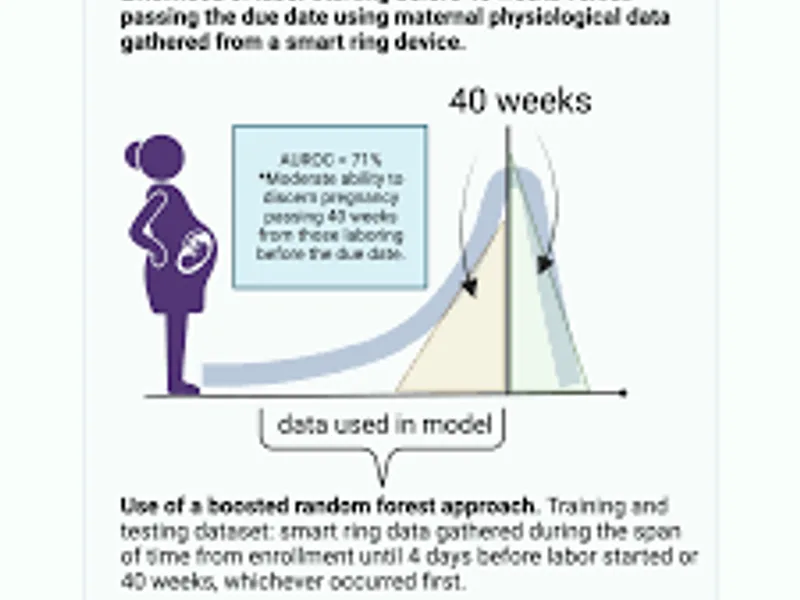
Going past your due date can feel like being stuck in a waiting room with no clock. This guide walks you through what actually happens during monitoring after due date pregnancy — the tests, the decisions, and the emotions nobody really prepares you for.
May 20, 2026
Going past your due date can feel like being stuck in a waiting room with no clock. This guide walks you through what actually happens during monitoring after due date pregnancy — the tests, the decisions, and the emotions nobody really prepares you for.
May 20, 2026
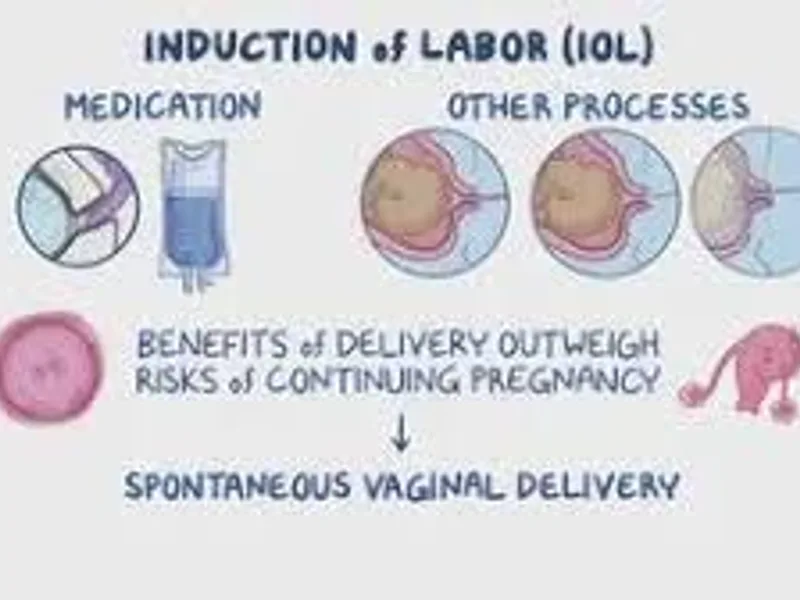
If you’re close to your due date and feeling stuck in waiting mode, this breaks down induction of labor methods in a way that actually makes sense. No jargon, no fluff—just what works, what doesn’t, and what it really feels like from a human perspective.
May 20, 2026