

Emergency & Help
24/7 Emergency & General Advisory
🚨 24/7 Medical Emergency
Non-Emergency Advisory
10:00 AM – 6:00 PM, Mon–Sat
For appointments & general queries.
24/7 Emergency & General Advisory
🚨 24/7 Medical Emergency
Non-Emergency Advisory
10:00 AM – 6:00 PM, Mon–Sat
For appointments & general queries.
Thinking about hitting the slopes while pregnant? Discover the risks, safety precautions, and when to consult your doctor before skiing or snowboarding during pregnancy. Essential tips for expectant mothers in India.

Pregnancy is a remarkable journey, but it's also a period of intense physiological change. Your body works overtime to nurture the developing life within. Hormones surge, ligaments loosen to prepare for childbirth, and your center of gravity shifts. These changes, while natural, can significantly affect your balance, coordination, and susceptibility to injury. The 'me' time you might have once spent carving powder now needs to be balanced with the 'we' time of growing a human. It's not about stopping all activity, but about adapting and prioritizing safety. Understanding these shifts is the first step in making safe choices on or off the slopes.
The exhilarating world of skiing and snowboarding comes with inherent risks, and pregnancy amplifies these concerns. The primary danger is abdominal trauma. This can stem from two main scenarios: falling on the slippery, icy terrain or, more worryingly, being collided with by another skier or snowboarder. Even a seemingly minor fall can have more significant consequences when you're pregnant.
During the first trimester, you might still feel relatively normal, but your body is already undergoing rapid changes. The risk of miscarriage, though generally low, is statistically higher in this period. While skiing itself won't cause a miscarriage, a severe fall or trauma could potentially increase the risk. Furthermore, the hormonal shifts can lead to increased fatigue and nausea, making it harder to concentrate and react quickly on the slopes. Your newfound sensitivity means even minor bumps could feel more impactful.
Many women report feeling their best during the second trimester. However, this is also when your baby bump becomes more prominent, shifting your center of gravity significantly. This altered balance makes you more prone to falls. The loosening of ligaments, a necessary process for childbirth, also increases your risk of muscle strains and ligament tears. While these injuries are unlikely to harm your baby directly, they can cause considerable pain and discomfort for you, making recovery during pregnancy a significant challenge.
In the third trimester, your body is preparing for labor and delivery. You're likely carrying more weight, your balance is further compromised, and fatigue can be profound. The risk of falling is at its highest. Additionally, any significant abdominal impact could potentially trigger premature labor or other complications. It's a time when prioritizing rest and low-impact activities becomes essential for both your well-being and the baby's.
It's not just about direct impact. Pregnancy brings a host of other factors that increase your risk while engaging in strenuous activities like skiing:
If you're an experienced skier or snowboarder and your doctor gives you the go-ahead, there are ways to significantly reduce the risks. However, this decision must be made in close consultation with your healthcare provider. They will assess your individual health, pregnancy status, and skill level.
This cannot be stressed enough. Before even thinking about dusting off your ski gear, have an open and honest conversation with your obstetrician or gynecologist. They will consider:
If your doctor advises against it, please respect their guidance. Your baby's safety is the absolute priority.
Assuming your doctor has approved, here’s how you can adapt your skiing experience:
It's crucial to recognize your body's signals. Here are signs that it's time to stop skiing immediately:
If you experience any of these, head back to the lodge immediately and contact your doctor.
If skiing or snowboarding isn't the best option, don't despair! There are plenty of ways to enjoy the winter wonderland:
Pregnancy is a unique time, and while the desire to maintain an active lifestyle is understandable, safety must always come first. By understanding the risks, consulting with your healthcare provider, and making informed decisions, you can navigate your pregnancy journey with confidence and well-being.
Visit Hospital
Near You
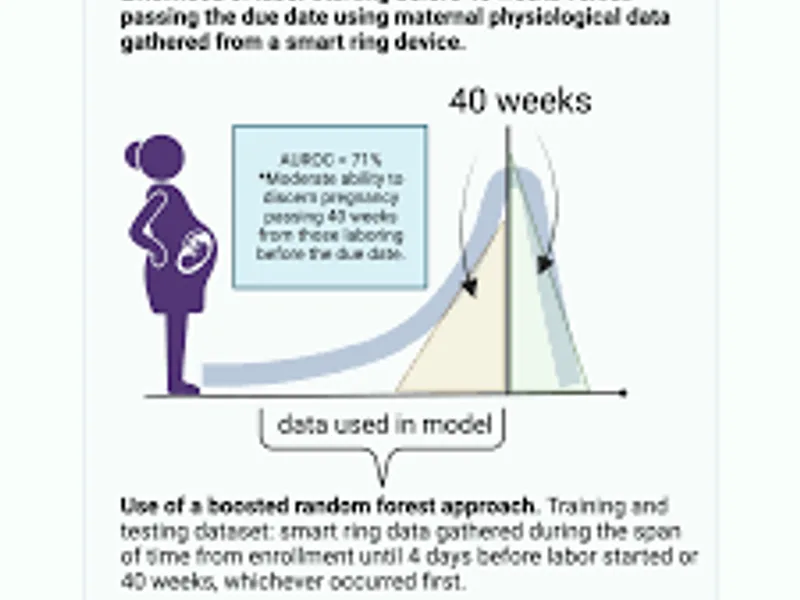
Going past your due date can feel like being stuck in a waiting room with no clock. This guide walks you through what actually happens during monitoring after due date pregnancy — the tests, the decisions, and the emotions nobody really prepares you for.
May 20, 2026
Going past your due date can feel like being stuck in a waiting room with no clock. This guide walks you through what actually happens during monitoring after due date pregnancy — the tests, the decisions, and the emotions nobody really prepares you for.
May 20, 2026
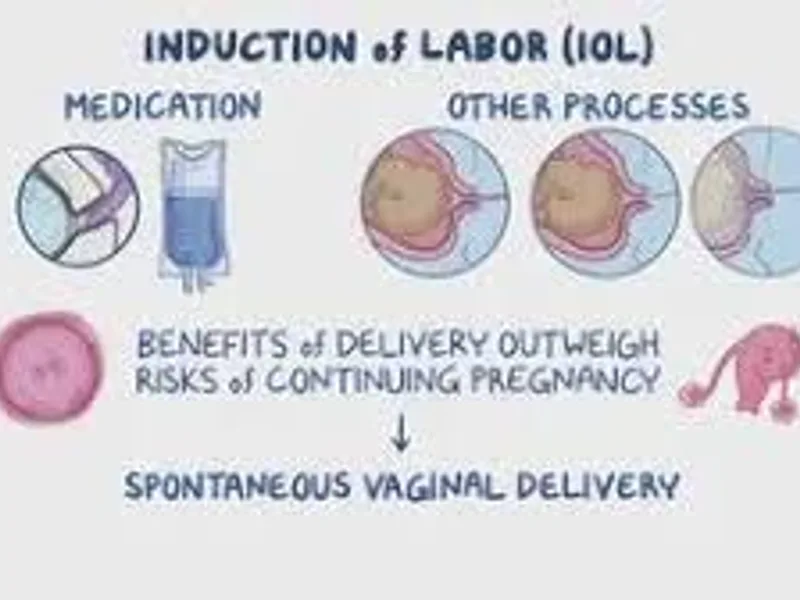
If you’re close to your due date and feeling stuck in waiting mode, this breaks down induction of labor methods in a way that actually makes sense. No jargon, no fluff—just what works, what doesn’t, and what it really feels like from a human perspective.
May 20, 2026