

Emergency & Help
24/7 Emergency & General Advisory
🚨 24/7 Medical Emergency
Non-Emergency Advisory
10:00 AM – 6:00 PM, Mon–Sat
For appointments & general queries.
24/7 Emergency & General Advisory
🚨 24/7 Medical Emergency
Non-Emergency Advisory
10:00 AM – 6:00 PM, Mon–Sat
For appointments & general queries.
Discover the serious risks of smoking during pregnancy for Indian mothers and babies. Learn about low birth weight, birth defects, miscarriage, and find resources to help you quit for a healthier future.

Carrying a child is a journey filled with hopes and dreams. As an expectant mother in India, you are likely focused on nurturing your growing baby, ensuring they receive the best nutrition, and creating a safe environment for them. However, a habit like smoking can cast a long shadow over this precious time, posing significant risks to both you and your unborn child. This article aims to shed light on these dangers in a clear, practical, and empathetic way, offering guidance and support for those who wish to quit.
Many women in India, like elsewhere, may continue to smoke due to various reasons, including stress, social pressure, or addiction. It's vital to understand that the chemicals in cigarette smoke do not discriminate; they pass through the placenta and directly affect your baby's development. The good news is that quitting, even during pregnancy, can make a profound difference. We'll explore the specific risks and provide actionable steps and resources to help you on your path to a healthier pregnancy.
Cigarette smoke contains thousands of chemicals, many of which are toxic and carcinogenic. When you smoke, these harmful substances enter your bloodstream and are transferred to your baby. This can disrupt your baby's development in numerous ways, leading to serious health problems both during pregnancy and after birth.
The placenta is your baby's lifeline, providing oxygen and nutrients. Smoking can damage the placenta, affecting its ability to function correctly. This can lead to:
The chemicals in cigarettes constrict blood vessels, reducing the flow of oxygen and nutrients to your baby. This can significantly slow down your baby's growth. A baby that doesn't grow properly in the womb is more likely to have:
The loss of a pregnancy is a deeply devastating experience. Smoking is a known risk factor for both miscarriage (loss of pregnancy before 20 weeks) and stillbirth (loss of pregnancy after 20 weeks). The exact mechanisms are complex, but the reduced blood flow and oxygen supply to the fetus, along with potential placental problems, play a significant role.
Scenario: Meena, a homemaker from Delhi, was devastated when she experienced a miscarriage at 16 weeks. She had continued smoking occasionally, believing it helped her cope with stress, despite her doctor's warnings. The doctors later explained that the complications could be linked to her smoking habits.
Smoking during pregnancy significantly increases the risk of your baby being born with certain birth defects, particularly those affecting the heart and face. These can include:
It's not just active smoking that poses a danger. Secondhand smoke, also known as environmental tobacco smoke, is just as harmful to your unborn baby. The Environmental Protection Agency classifies secondhand smoke as a Group A carcinogen, meaning it is known to cause cancer in humans. If your partner or other family members smoke, ensure they do so away from you and the baby's environment. Even brief exposure can be detrimental.
The best time to quit smoking is before you become pregnant. However, if you are already pregnant and smoking, the next best time to quit is right now. Even quitting in the later stages of pregnancy can significantly reduce the risks to your baby compared to continuing to smoke. Every cigarette you don't smoke makes a positive difference.
Quitting an addiction like smoking is challenging, but with the right support and strategy, it is achievable. Here’s a practical approach:
Commit to quitting. Choose a specific date, ideally within the next two weeks, and tell your family and friends about your decision. This creates accountability.
What makes you want to smoke? Is it stress, a cup of tea, after a meal, or seeing someone else smoke? Once you know your triggers, you can plan how to avoid or manage them.
You don't have to do this alone. Reach out to:
Several options can help manage cravings and withdrawal symptoms:
Replace smoking with healthier activities:
If you are pregnant and smoking, it is essential to discuss your habit with your healthcare provider as soon as possible. They can monitor your pregnancy closely and offer personalized advice. Seek immediate medical attention if you experience any of the following:
Quitting is a journey, and resources can make it easier. While specific apps and government helplines may vary, here are general avenues:
Yes, even a small number of cigarettes can harm your baby. There is no safe level of smoking during pregnancy. The chemicals in smoke can affect your baby's development and increase the risk of complications.
Nicotine replacement therapy (NRT) like patches or gum is generally considered safer than smoking during pregnancy because it avoids the thousands of other harmful chemicals found in cigarette smoke. However, it's crucial to discuss the use of NRT with your doctor, as they can advise on the safest options and dosages for your specific situation.
Your partner's support is invaluable. Ask them to quit smoking altogether or at least to smoke only outdoors and away from you and the baby's living space. They can also support you by joining you in healthy activities and encouraging you through difficult moments.
Withdrawal symptoms like irritability or cravings are temporary and are a sign your body is adjusting. These symptoms are generally far less harmful to the baby than the ongoing effects of cigarette smoke. Your doctor can help you manage these symptoms effectively.
Conclusion: Your pregnancy is a precious time to focus on the health and well-being of both yourself and your baby. By understanding the risks associated with smoking and actively seeking support to quit, you are making one of the most important decisions for a healthy future. Remember, every step you take towards quitting is a victory for your baby.
Visit Hospital
Near You
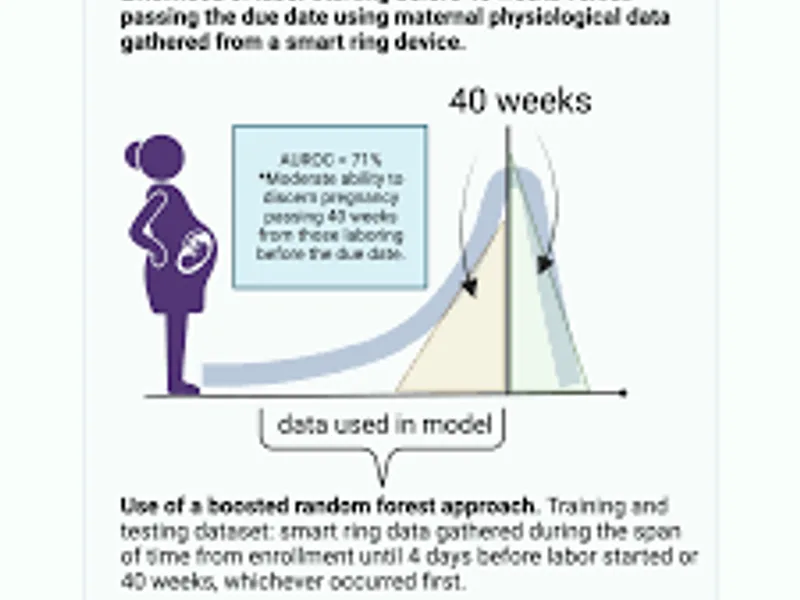
Going past your due date can feel like being stuck in a waiting room with no clock. This guide walks you through what actually happens during monitoring after due date pregnancy — the tests, the decisions, and the emotions nobody really prepares you for.
May 20, 2026
Going past your due date can feel like being stuck in a waiting room with no clock. This guide walks you through what actually happens during monitoring after due date pregnancy — the tests, the decisions, and the emotions nobody really prepares you for.
May 20, 2026
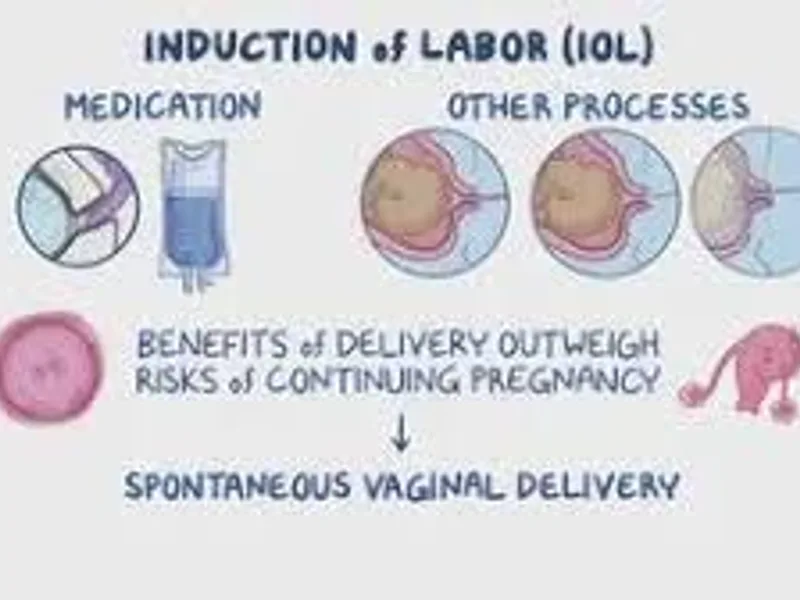
If you’re close to your due date and feeling stuck in waiting mode, this breaks down induction of labor methods in a way that actually makes sense. No jargon, no fluff—just what works, what doesn’t, and what it really feels like from a human perspective.
May 20, 2026