

Emergency & Help
24/7 Emergency & General Advisory
🚨 24/7 Medical Emergency
Non-Emergency Advisory
10:00 AM – 6:00 PM, Mon–Sat
For appointments & general queries.
24/7 Emergency & General Advisory
🚨 24/7 Medical Emergency
Non-Emergency Advisory
10:00 AM – 6:00 PM, Mon–Sat
For appointments & general queries.
Learn about stomach viruses during pregnancy in India. Understand symptoms, risks, safe management, and prevention strategies to protect yourself and your baby.

Pregnancy is a time of immense joy and anticipation, but it can also bring unexpected challenges. One such concern that may arise is contracting a stomach virus, often referred to as gastroenteritis or the stomach flu. While the thought of being sick during pregnancy can be worrying, understanding the common types of stomach viruses, their symptoms, and how to manage them can provide peace of mind. This guide aims to equip expectant mothers in India with practical, safe, and reassuring information to navigate this common ailment.
The stomach virus, or gastroenteritis, is a common illness caused by various viruses. It typically affects the stomach and intestines, leading to symptoms like nausea, vomiting, diarrhea, and abdominal cramps. During pregnancy, your immune system undergoes changes, which can sometimes make you more susceptible to infections. However, it's important to remember that your body has robust defenses, and your baby is well-protected within the womb.
Many stomach viruses are highly contagious but usually short-lived, often resolving within 48 hours. Symptoms can appear anywhere from 12 hours to 2 days after exposure, and you are contagious from the moment symptoms start. While most cases are mild and resolve without lasting effects on you or your baby, it's essential to be aware of potential complications and know when to seek medical advice.
Several types of viruses can cause gastroenteritis. Some of the most common ones you might encounter include:
It's worth noting that other viruses can also cause similar symptoms, and distinguishing between them isn't always necessary for basic management, as the core principles of care remain similar.
The symptoms of a stomach virus can appear suddenly and intensely. During pregnancy, it can be particularly concerning as some symptoms might overlap with signs of early labor. Key symptoms to watch out for include:
It's important to monitor your symptoms closely. If you experience severe vomiting, inability to keep any fluids down, or symptoms that persist for more than two days, contacting your doctor is crucial.
Understanding how these viruses spread can help you take preventive measures. Common transmission routes include:
Given the contagious nature of these viruses, practicing good hygiene is paramount, especially during pregnancy.
While the stomach virus is usually a short-lived illness, its impact during pregnancy warrants attention. Your baby is generally well-protected within the amniotic sac. However, severe illness in the mother can indirectly affect the baby's well-being.
The first 12 weeks are critical for the development of your baby's major organs, including the heart and brain. While the virus itself rarely crosses the placental barrier, severe maternal illness, dehydration, or high fever could potentially increase the risk of certain developmental issues, though this is uncommon.
During the second trimester, your baby is growing rapidly. A severe stomach virus that prevents you from eating or drinking adequately can lead to dehydration and may temporarily slow your baby's growth. In severe cases, significant fluid loss can also reduce amniotic fluid levels.
In the third trimester, the primary concern with a severe stomach virus is the risk of triggering preterm labor. The abdominal cramps associated with the virus can sometimes be mistaken for or even lead to labor contractions, potentially causing premature birth.
The good news is that most stomach viruses can be managed effectively at home with supportive care. The primary goals are to stay hydrated, get rest, and manage symptoms safely.
Dehydration is the most significant risk associated with stomach viruses during pregnancy. It's vital to replenish lost fluids. Opt for:
If you are struggling to keep even small amounts of liquid down, contact your doctor immediately.
Allow your body to recover by getting plenty of rest. When you feel ready to eat, start with bland, easily digestible foods:
Avoid dairy products, fatty, fried, spicy, or heavily seasoned foods until you feel better, as these can irritate your digestive system.
Always consult your doctor before taking any medication during pregnancy, even over-the-counter remedies. For pain relief from headaches or cramps, acetaminophen (like paracetamol) is generally considered safe during pregnancy. Your doctor can advise you on the correct dosage. Avoid non-steroidal anti-inflammatory drugs (NSAIDs) like ibuprofen unless specifically recommended by your doctor.
While most stomach viruses resolve on their own, certain signs and symptoms warrant immediate medical attention. Contact your doctor or visit a healthcare facility if you experience any of the following:
Your doctor can assess your condition, rule out more serious infections like listeriosis (which requires antibiotics), and provide appropriate care to ensure the safety of both you and your baby.
Prevention is always better than cure, especially during pregnancy. Implementing these simple hygiene practices can significantly reduce your risk:
A real-life scenario: Priya, 28 weeks pregnant, started experiencing nausea and vomiting. Her husband had a stomach bug the week before. Initially, she tried drinking water, but she couldn't keep anything down for over 12 hours. Fearing dehydration and its impact on her baby, she called her obstetrician, who advised her to come in for an evaluation and IV fluids, which helped her recover quickly.
In most cases, a mild stomach virus will not harm your baby. Your baby is protected by the amniotic sac. However, severe dehydration or a high fever in the mother can pose risks, especially in early pregnancy or the third trimester concerning preterm labor.
Always consult your doctor before taking any medication. Acetaminophen (paracetamol) is generally safe for pain and fever, but your doctor will provide specific guidance on dosage and suitability.
Most stomach viruses are short-lived and resolve within 48 hours. If symptoms persist beyond 2-3 days or are severe, seek medical advice.
Stay hydrated with clear fluids and bland foods. If diarrhea is severe, persistent, or accompanied by other concerning symptoms, contact your doctor.
Generally, yes. Breast milk contains antibodies that can help protect your baby. However, practice good hygiene, wash your hands thoroughly before feeding, and consider wearing a mask if you are actively vomiting or have severe diarrhea. Consult your doctor if you have concerns.
Visit Hospital
Near You

Going past your due date can feel like being stuck in a waiting room with no clock. This guide walks you through what actually happens during monitoring after due date pregnancy — the tests, the decisions, and the emotions nobody really prepares you for.
May 20, 2026
Going past your due date can feel like being stuck in a waiting room with no clock. This guide walks you through what actually happens during monitoring after due date pregnancy — the tests, the decisions, and the emotions nobody really prepares you for.
May 20, 2026
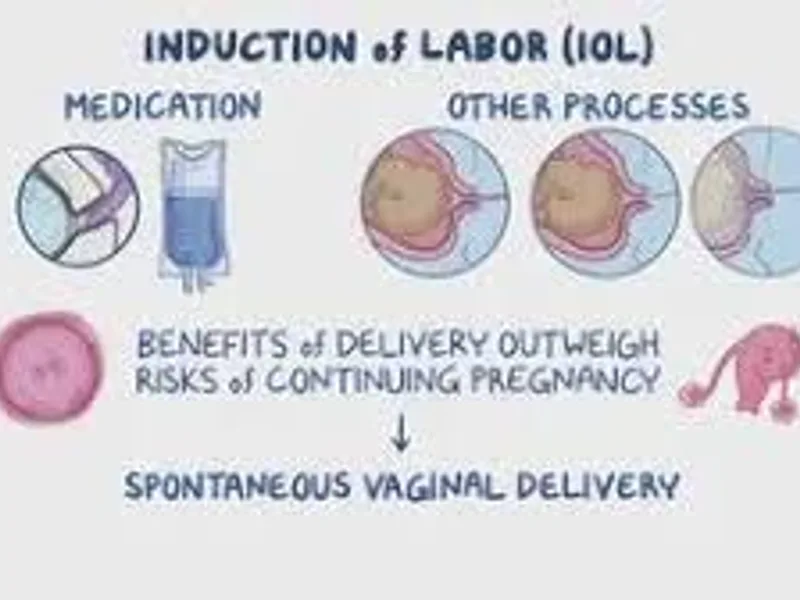
If you’re close to your due date and feeling stuck in waiting mode, this breaks down induction of labor methods in a way that actually makes sense. No jargon, no fluff—just what works, what doesn’t, and what it really feels like from a human perspective.
May 20, 2026