

Emergency & Help
24/7 Emergency & General Advisory
🚨 24/7 Medical Emergency
Non-Emergency Advisory
10:00 AM – 6:00 PM, Mon–Sat
For appointments & general queries.
24/7 Emergency & General Advisory
🚨 24/7 Medical Emergency
Non-Emergency Advisory
10:00 AM – 6:00 PM, Mon–Sat
For appointments & general queries.
Explore the benefits and safety of swimming during pregnancy. Learn about precautions, how it helps with common discomforts, and when to consult your doctor for this refreshing, low-impact exercise.
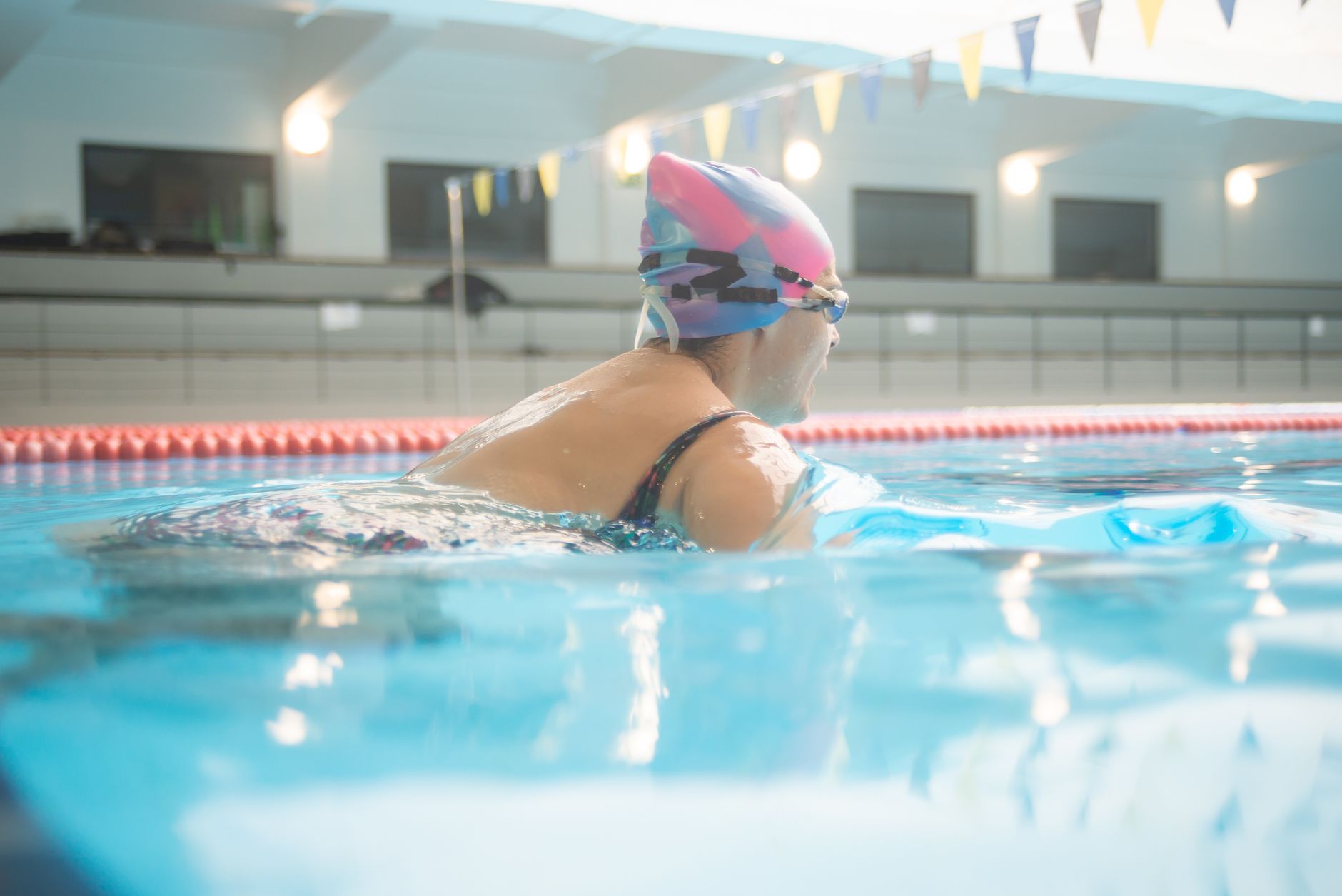
Pregnancy brings a lot of changes, and with them, a list of things you might be advised to avoid. From certain foods to specific activities, it can sometimes feel overwhelming trying to navigate what's safe for you and your growing baby. If you've been wondering whether swimming is a good option for staying active during these nine months, the good news is: yes, it generally is! In fact, many healthcare professionals consider swimming one of the safest forms of exercise for expectant mothers.
Let's dive into why swimming is a fantastic choice, what precautions to take, and how you can enjoy the water safely throughout your pregnancy journey. Remember, this information is a guide, and it’s always best to chat with your doctor about your specific health needs and any concerns you may have.
During pregnancy, your body undergoes significant transformations. You might experience increased fatigue, joint pain, and swelling. Swimming offers a unique solution to many of these common discomforts. The buoyancy of the water supports your body, reducing the stress on your joints and back. This low-impact exercise helps you build strength and improve your cardiovascular health without the jarring movements associated with other activities.
Key Benefits of Swimming During Pregnancy:
Even if you're undergoing treatments like in vitro fertilization (IVF), swimming can be a recommended form of exercise to maintain fitness without undue stress on your body.
While swimming is largely safe, there are a few important considerations to keep your experience enjoyable and secure:
Your body temperature should not exceed 102.2°F (39°C) during pregnancy. This means avoiding very hot baths, hot tubs, or saunas. When swimming, choose water that is comfortably cool or lukewarm. If the water feels too warm, it's best to get out.
Even though you're in the water, you can still get dehydrated. Drink plenty of water before and after your swim session.
Pregnancy can make you tire more easily. Start with shorter sessions, perhaps around 30 minutes. Listen to your body; if you feel tired, it's time to stop. Aim for swimming 3 to 5 times a week, but adjust based on how you feel.
Opt for swimming pools or safe, calm bodies of water. If swimming in natural bodies of water like lakes or oceans, be aware of currents, tides, and water quality. Avoid areas with strong waves or known hazards. If you're new to swimming, consider joining a prenatal aqua aerobics class or consulting a fitness professional to develop a safe routine.
If you're swimming outdoors, always use a broad-spectrum sunscreen with at least SPF 30. Reapply it frequently, especially after getting out of the water. Try to avoid the strongest sun between 10 a.m. and 4 p.m.
Concerns about pool chemicals like chlorine are common, but studies suggest that swimming in properly chlorinated pools does not pose a negative risk to birth outcomes. The benefits of exercise usually outweigh this minimal concern.
While swimming is great, activities like water skiing, diving, and scuba diving are generally not recommended during pregnancy due to an increased risk of injury or other complications.
Meet Priya, 28 weeks pregnant and struggling with swollen ankles and persistent lower back pain. Her doctor suggested low-impact exercise. Hesitant at first, she joined a prenatal aqua fitness class. After her first session, she felt a significant relief from her back pain and noticed her swollen feet felt much better. She was delighted to find an activity that made her feel good without adding to her discomfort.
Swimming is generally safe throughout all trimesters of pregnancy. However, your body's needs change:
While swimming is a go-to exercise for many pregnant women, it's essential to consult your healthcare provider before starting or continuing any exercise program, especially if:
Your doctor can provide personalized advice based on your health history and the progress of your pregnancy.
Yes, for many women, the cool water can actually help alleviate nausea. However, if you feel too unwell, it's best to rest. Always stay hydrated.
It can be, but exercise extreme caution. Be aware of the water conditions (currents, waves), water quality, and potential marine life. Stick to calm, shallow areas if you choose natural water bodies.
As mentioned, 3 to 5 times a week for about 30 minutes is a good starting point. Listen to your body and adjust frequency and duration as needed. Consistency is more important than intensity.
While swimming doesn't directly induce labor, the physical conditioning and stress relief it provides can contribute to overall well-being, which is beneficial as you approach your due date.
That's perfectly fine! You don't need to be an Olympic athlete. Simple water walking, gentle stretching in the water, or short laps at a comfortable pace are all beneficial. Consider prenatal water aerobics classes designed for expectant mothers.
Swimming during pregnancy offers a wonderful way to stay fit, manage discomfort, and boost your mood. By taking the right precautions and listening to your body, you can enjoy the many benefits of this refreshing activity throughout your pregnancy.
Visit Hospital
Near You

Going past your due date can feel like being stuck in a waiting room with no clock. This guide walks you through what actually happens during monitoring after due date pregnancy — the tests, the decisions, and the emotions nobody really prepares you for.
May 20, 2026
Going past your due date can feel like being stuck in a waiting room with no clock. This guide walks you through what actually happens during monitoring after due date pregnancy — the tests, the decisions, and the emotions nobody really prepares you for.
May 20, 2026

If you’re close to your due date and feeling stuck in waiting mode, this breaks down induction of labor methods in a way that actually makes sense. No jargon, no fluff—just what works, what doesn’t, and what it really feels like from a human perspective.
May 20, 2026