

Emergency & Help
24/7 Emergency & General Advisory
🚨 24/7 Medical Emergency
Non-Emergency Advisory
10:00 AM – 6:00 PM, Mon–Sat
For appointments & general queries.
24/7 Emergency & General Advisory
🚨 24/7 Medical Emergency
Non-Emergency Advisory
10:00 AM – 6:00 PM, Mon–Sat
For appointments & general queries.
Explore the safety of using tea tree oil during pregnancy. Learn about proper dilution, stages of pregnancy, and precautions for expectant mothers.
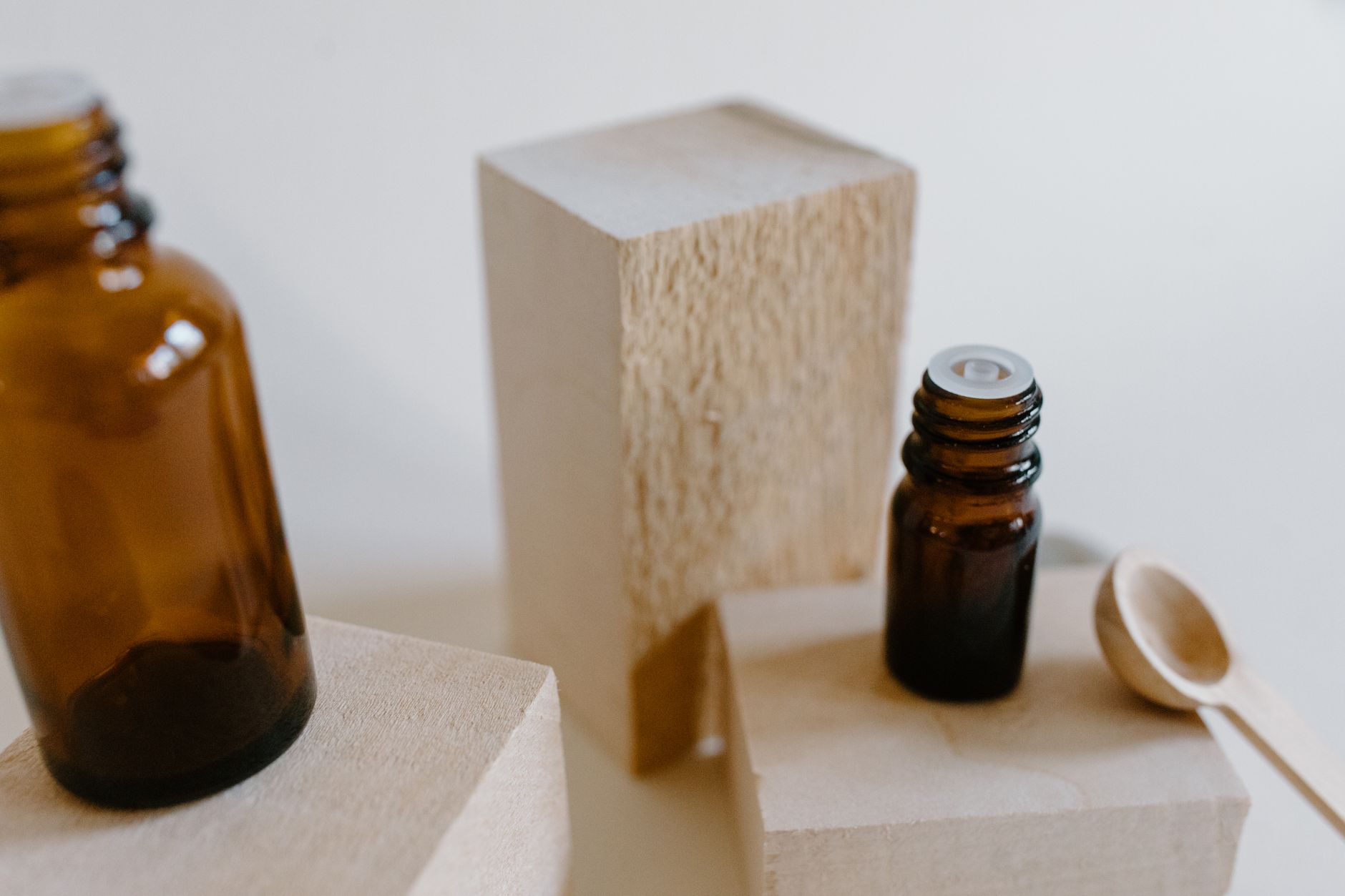
Pregnancy is a time of immense joy and, understandably, heightened awareness about everything you consume or apply to your body. Many expectant mothers explore natural remedies to manage common pregnancy discomforts or for general well-being. Tea tree oil, a popular essential oil known for its antiseptic and anti-inflammatory properties, often comes up in these discussions. But is it safe to use tea tree oil when you're pregnant? This is a common question, and the answer involves a few important considerations, especially regarding the stage of pregnancy and how you use it.
Tea tree oil (Melaleuca alternifolia) is extracted from the leaves of the tea tree, native to Australia. For centuries, it has been used for its potent medicinal qualities, including its ability to fight bacteria, fungi, and viruses. It's often found in skincare products, shampoos, and even mouthwashes. However, during pregnancy, your body undergoes significant changes, and your skin can become more sensitive. This makes it vital to approach any new product, natural or otherwise, with caution.
The primary concern with essential oils during pregnancy is understanding how they are absorbed by the body and whether they could affect the developing baby. While tea tree oil is generally considered safe for topical use by the International Federation of Professional Aromatherapists, specific guidelines are recommended for pregnant women.
During the first trimester, your baby's major organs are developing rapidly. Because we don't fully understand how much tea tree oil is absorbed through the skin and into the bloodstream, or its potential effects on a delicate fetus at this critical stage, it's best to avoid using tea tree oil entirely during the first three months of pregnancy. This precautionary approach helps minimize any potential risks during this foundational period of development.
As you move into the second trimester, your body has undergone significant changes, including the development of a thicker layer of protective fat that can act as a buffer for your baby. The major organ development is largely complete, and the focus shifts to growth. At this stage, using tea tree oil topically becomes much safer, provided it is properly diluted. It's recommended to use diluted tea tree oil on your skin, avoiding direct application of the pure oil. Always mix it with a carrier oil. While it's generally safe, it's still wise to avoid massaging your belly area directly with it.
A common scenario: A pregnant woman in her second trimester develops a small, itchy rash on her arm. She remembers hearing about tea tree oil's anti-inflammatory properties and wonders if she can apply a diluted mixture to soothe the irritation. Consulting her doctor, she learns that a properly diluted blend with a carrier oil, applied to a small patch of skin first, could be a safe option after the first trimester.
The third trimester continues the safety profile established in the second. You can continue to use diluted tea tree oil on your skin. Maintaining proper dilution with a suitable carrier oil remains essential to prevent skin irritation, redness, or prickliness, which can be more pronounced due to pregnancy-related skin sensitivity. The oil is safe even as you approach labor and does not interfere with contractions.
The key to safe usage is always dilution. Never apply pure, undiluted tea tree oil directly to your skin. Pure essential oils are highly concentrated and can cause adverse reactions.
Before applying any new blend to a larger area of your skin, it's crucial to perform a patch test. Apply a small amount of the diluted mixture to an inconspicuous area of your skin, such as your inner forearm. Wait for up to 24 hours to check for any signs of irritation, redness, itching, or rash. If you experience any reaction, do not use the blend. You may need to further dilute the tea tree oil with more carrier oil.
While topical use, when diluted, is generally considered safe after the first trimester, there are certain ways you should avoid using tea tree oil during pregnancy:
When used correctly and with appropriate precautions, diluted tea tree oil can offer several benefits during pregnancy:
It is always wise to consult with your healthcare provider or a certified aromatherapist before using any new essential oils during pregnancy, especially if you have pre-existing skin conditions or concerns. Seek immediate medical attention if you experience any severe adverse reactions after using tea tree oil, such as intense burning, blistering, or difficulty breathing.
Always discuss with your doctor before trying any new remedy, including natural ones, during pregnancy.
Yes, it is generally safe to use commercially available shampoos, face washes, or other rinse-off products that contain small amounts of tea tree oil. The concentration is usually very low, and the product is washed off quickly, minimizing absorption.
When used topically and properly diluted after the first trimester, the amount of tea tree oil absorbed into your bloodstream is minimal, and the protective fat layer around your baby in the second and third trimesters offers further buffering. However, avoiding ingestion and undiluted use is paramount.
There is no scientific evidence to suggest that tea tree oil effectively prevents or treats stretch marks. While it can be beneficial for skin health in other ways, focusing on hydration and using pregnancy-safe moisturizers is generally recommended for managing stretch marks.
Visit Hospital
Near You

Going past your due date can feel like being stuck in a waiting room with no clock. This guide walks you through what actually happens during monitoring after due date pregnancy — the tests, the decisions, and the emotions nobody really prepares you for.
May 20, 2026
Going past your due date can feel like being stuck in a waiting room with no clock. This guide walks you through what actually happens during monitoring after due date pregnancy — the tests, the decisions, and the emotions nobody really prepares you for.
May 20, 2026

If you’re close to your due date and feeling stuck in waiting mode, this breaks down induction of labor methods in a way that actually makes sense. No jargon, no fluff—just what works, what doesn’t, and what it really feels like from a human perspective.
May 20, 2026