

Emergency & Help
24/7 Emergency & General Advisory
🚨 24/7 Medical Emergency
Non-Emergency Advisory
10:00 AM – 6:00 PM, Mon–Sat
For appointments & general queries.
24/7 Emergency & General Advisory
🚨 24/7 Medical Emergency
Non-Emergency Advisory
10:00 AM – 6:00 PM, Mon–Sat
For appointments & general queries.
Discover when the placenta forms during pregnancy, its vital roles in nourishing your baby, producing hormones, and protecting the fetus. Learn about its development timeline and common concerns.
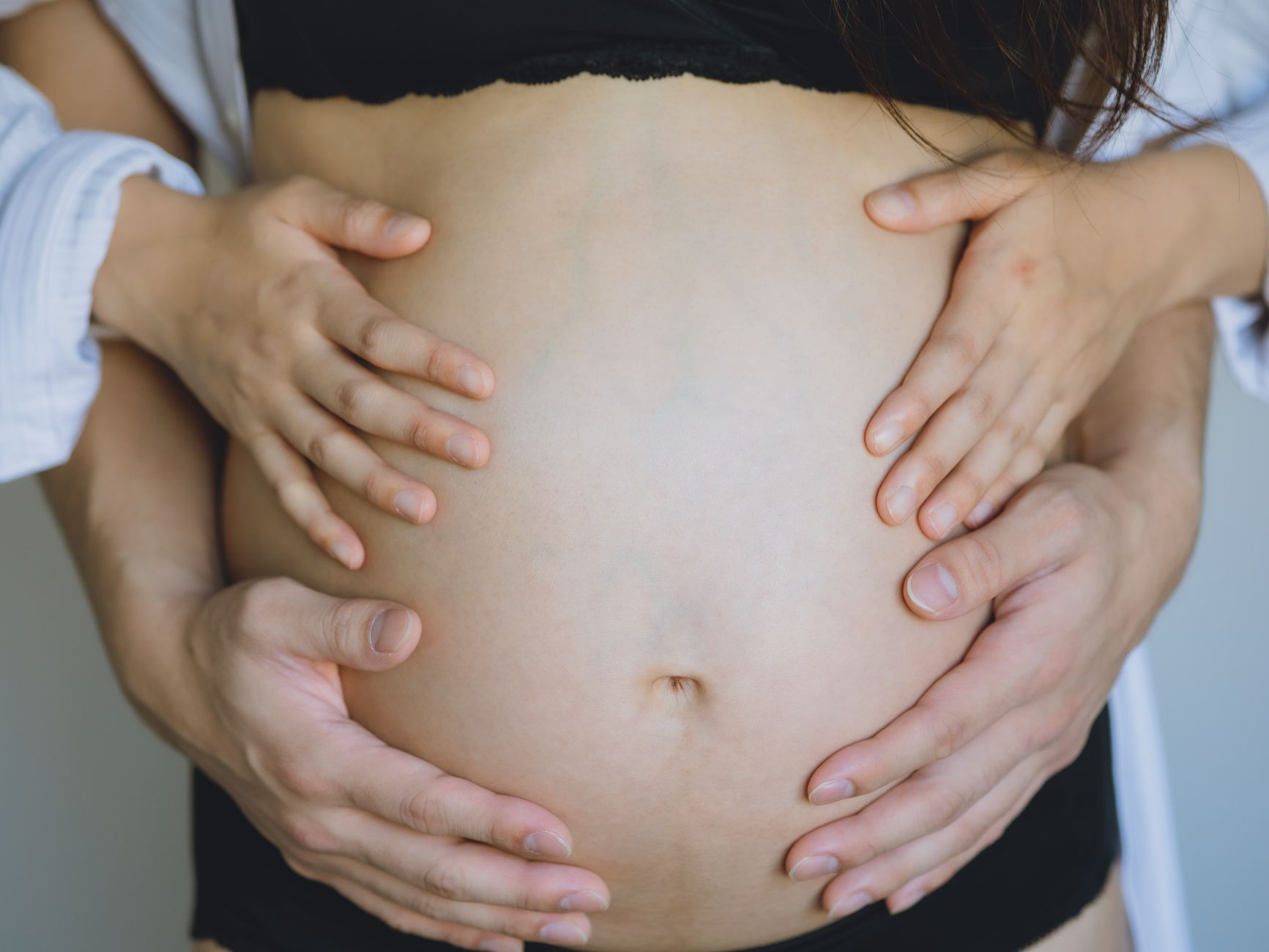
Pregnancy is a remarkable journey, filled with incredible changes both for the mother and the developing baby. While we often focus on the growing fetus, it’s essential to understand the vital role of another amazing organ that forms alongside it: the placenta. This temporary yet indispensable organ acts as your baby’s lifeline, providing nourishment, oxygen, and protection throughout the entire pregnancy. Understanding when the placenta forms and how it functions can offer valuable insights into the early stages of pregnancy and its subsequent development.
Think of the placenta as a sophisticated biological interface, an organ that develops inside your uterus during pregnancy. It’s not just a passive bystander; it’s a dynamic structure made up of both fetal and maternal tissues. Its primary role is to create a crucial connection between you and your developing baby, facilitated by the umbilical cord. Through this connection, the placenta ensures your baby receives everything it needs to grow and thrive, while also managing waste removal.
The journey of the placenta starts very early in pregnancy, almost immediately after fertilization. Once a sperm fertilizes an egg, it begins a rapid process of cell division as it travels down the fallopian tube towards the uterus. This fertilized egg, now called a zygote, continues to divide and develops into a ball of cells known as a blastocyst.
It's the outer layer of this blastocyst that will eventually develop into the placenta. This implantation process, where the blastocyst attaches to the uterine wall, typically occurs about 6 to 10 days after fertilization. Following implantation, the cells begin to differentiate and organize, marking the very beginnings of placental development. So, while the placenta isn't fully formed right away, its foundation is laid within days of conception.
The placenta undergoes significant growth and transformation throughout the pregnancy, evolving from a few specialized cells into a substantial organ. Here’s a general timeline:
By about week 4 of pregnancy, the placenta has begun to form, and its early structure is visible. It starts to establish a connection with the developing embryo, initiating the exchange of nutrients and waste. During this period, the placenta is still relatively small but is actively growing and developing its vascular system.
This is a pivotal time for placental development. Around week 8, the placenta is well-established and begins to take on more responsibility. By week 10 to 12, it has typically matured enough to fully take over the crucial functions of nourishing the baby and producing essential pregnancy hormones, like progesterone. For many women, this coincides with a decrease in morning sickness symptoms, as the placenta’s progesterone production helps to stabilize hormone levels.
Real-life scenario: Priya, 10 weeks pregnant, noticed her severe morning sickness finally easing up. She felt a wave of relief, attributing it to her body adjusting, but a doctor explained that her placenta was likely taking over hormone production, which often calms those queasy feelings. It was a tangible sign that her pregnancy was progressing.
The placenta continues to grow and develop throughout the second and third trimesters, increasing in size and weight. By week 34 of pregnancy, it is considered mature. It continues to support the baby's rapid growth, delivering oxygen and nutrients and removing waste. The placenta's structure also adapts to meet the increasing demands of the growing fetus.
While the placenta usually develops without issue, sometimes complications can arise. Understanding these can help expectant parents be more aware.
A retained placenta occurs when a portion of the placenta remains inside the uterus after childbirth. Typically, the placenta should detach and be delivered within about 30 minutes to an hour after the baby is born. If it doesn't, medical intervention may be necessary to remove it manually to prevent infection or excessive bleeding.
Any unusual symptoms during pregnancy, such as persistent vaginal bleeding, severe abdominal pain, or intense back pain, could indicate a placental issue and warrant immediate medical attention. Your doctor will monitor your pregnancy closely, and regular check-ups are essential for detecting any potential problems early on.
Morning sickness, characterized by nausea and vomiting, is a common symptom in early pregnancy. While the exact cause isn't fully understood, it's strongly linked to the hormonal changes of pregnancy, particularly the rise in hCG and progesterone. As the placenta takes over hormone production, many women find their morning sickness gradually subsides around the end of the first trimester.
Interestingly, some research suggests that higher levels of a protein called GDF15 in the mother's blood might be associated with persistent nausea and vomiting, even into the second trimester. While this can be uncomfortable, high GDF15 levels might also be an indicator that the placenta is developing properly. This condition, known as hyperemesis gravidarum, requires careful medical management.
While the placenta's development is largely managed by your body, it's important to stay informed and communicate any concerns with your healthcare provider. You should contact your doctor if you experience:
Regular prenatal check-ups are the best way to ensure both your health and your baby's healthy development, including the proper formation and function of the placenta.
By the end of pregnancy, the placenta typically weighs about 1 pound (approximately 0.45 kg) and measures about 8 to 10 inches (20-25 cm) in diameter.
No, the placenta is not a foolproof barrier. While it filters many harmful substances, some viruses, drugs, and alcohol can still pass through to the baby. It’s important to avoid harmful exposures during pregnancy.
After the baby is born, the placenta is no longer needed and is delivered (expelled) from the uterus. This is often referred to as the "afterbirth." Your doctor will check it to ensure no part has been retained.
Visit Hospital
Near You
Going past your due date can feel like being stuck in a waiting room with no clock. This guide walks you through what actually happens during monitoring after due date pregnancy — the tests, the decisions, and the emotions nobody really prepares you for.
May 20, 2026
Going past your due date can feel like being stuck in a waiting room with no clock. This guide walks you through what actually happens during monitoring after due date pregnancy — the tests, the decisions, and the emotions nobody really prepares you for.
May 20, 2026
If you’re close to your due date and feeling stuck in waiting mode, this breaks down induction of labor methods in a way that actually makes sense. No jargon, no fluff—just what works, what doesn’t, and what it really feels like from a human perspective.
May 20, 2026