

Emergency & Help
24/7 Emergency & General Advisory
🚨 24/7 Medical Emergency
Non-Emergency Advisory
10:00 AM – 6:00 PM, Mon–Sat
For appointments & general queries.
24/7 Emergency & General Advisory
🚨 24/7 Medical Emergency
Non-Emergency Advisory
10:00 AM – 6:00 PM, Mon–Sat
For appointments & general queries.
Discover why you might be throwing up yellow liquid during pregnancy. Learn about morning sickness, hormonal changes, and when to seek medical advice.

Pregnancy is a time of incredible change, and for many, it comes with a whole host of new bodily sensations. You might be paying closer attention to every little twinge, craving, and bodily fluid than ever before. While you probably anticipated some nausea and vomiting – the infamous morning sickness – you might not have expected to throw up yellow liquid. Seeing yellow vomit can be startling, but don't panic! In most cases, it's a perfectly normal part of pregnancy. Let's break down why this happens and when you might need to seek medical advice.
Morning sickness typically kicks in around the 6th or 7th week of pregnancy. It often reaches its peak between 9 and 12 weeks and then gradually subsides, usually by 12 to 20 weeks. So, if you're experiencing yellow vomiting, it will likely follow this general timeline. You might be wondering, why yellow? Well, when your stomach is empty – either first thing in the morning or if you've been vomiting frequently – there's no food to bring up. Instead, your stomach produces bile, a yellowish-green fluid that aids in digestion. Vomiting this bile is what gives your vomit its yellow hue.
The primary driver behind morning sickness, including the yellow vomit, is the surge in pregnancy hormones. Your body is working overtime to support a growing baby. Hormones like estrogen and progesterone are skyrocketing, and you're also producing higher levels of human chorionic gonadotropin (hCG). These hormonal fluctuations can significantly impact your digestive system, leading to nausea and vomiting. It's your body's way of adapting to the incredible changes happening within.
The appearance of your yellow vomit can vary. Depending on how recently you've had liquids and how forcefully you're vomiting, it might be:
All these variations are generally considered normal and simply indicate that you're bringing up stomach acid and bile, not food.
Alongside yellow vomit, you might experience other common morning sickness symptoms:
While yellow vomit itself isn't usually a cause for alarm, the persistent nausea and vomiting can be incredibly disruptive. Here are some practical strategies to help manage these symptoms:
Don't skip meals! This is a golden rule. Having something in your stomach, even if it's small, can prevent your stomach from becoming completely empty and reducing the production of stomach acid. Aim for frequent, small meals throughout the day rather than three large ones. Think of it as constant grazing.
Focus on bland carbohydrates: These are often easier to keep down. Good options include:
Stay hydrated: Dehydration can worsen nausea. If drinking water is difficult, try these alternatives:
It might be tempting to immediately brush your teeth after vomiting to get rid of the unpleasant taste and smell. However, it's best to wait a little while. Your stomach acid is harsh on tooth enamel, and brushing right away can actually spread the acid around and cause more damage. Instead, try rinsing your mouth with water or a fluoride mouthwash.
While yellow vomit is usually harmless, there are situations where you need to contact your doctor immediately. These signs could indicate a more serious condition called hyperemesis gravidarum, a severe form of morning sickness.
Contact your doctor if you experience any of the following:
Your doctor can assess your condition, provide necessary treatments such as IV fluids or anti-nausea medications, and offer personalized advice.
For most women, morning sickness, including episodes of yellow vomiting, subsides by the second trimester. However, for a smaller percentage, it can persist throughout the entire pregnancy. While this is less common, it's important to remember that every pregnancy is unique. If you are experiencing prolonged or severe symptoms, discuss this with your healthcare provider. They can help manage your symptoms and ensure both you and your baby are healthy.
Yes, it is normal to throw up bile during pregnancy, especially if your stomach is empty. Bile is a natural digestive fluid, and vomiting it results in yellow or greenish vomit.
Morning sickness typically starts around the 6th to 7th week of pregnancy, peaks between 9 and 12 weeks, and often resolves by 12 to 20 weeks. However, some women experience it for longer durations.
Signs include severe nausea and vomiting, significant weight loss (over 5% of body weight), dehydration, and the inability to keep any food or fluids down.
It can be challenging, but try to eat small, frequent meals. Focus on bland carbohydrates and stay hydrated with small sips of fluids. Avoid large meals and trigger foods.
In most cases, no. Yellow vomit is usually just bile from an empty stomach. However, if accompanied by severe symptoms like weight loss or dehydration, consult your doctor.
Experiencing yellow vomit during pregnancy can be a bit unsettling, but understanding its cause – typically just bile from an empty stomach due to hormonal changes – can bring peace of mind. By implementing dietary adjustments, staying hydrated, and getting enough rest, you can often manage the discomfort. Always remember to listen to your body and consult your doctor if you experience severe symptoms or have any concerns. Your health and the health of your baby are paramount.
Visit Hospital
Near You
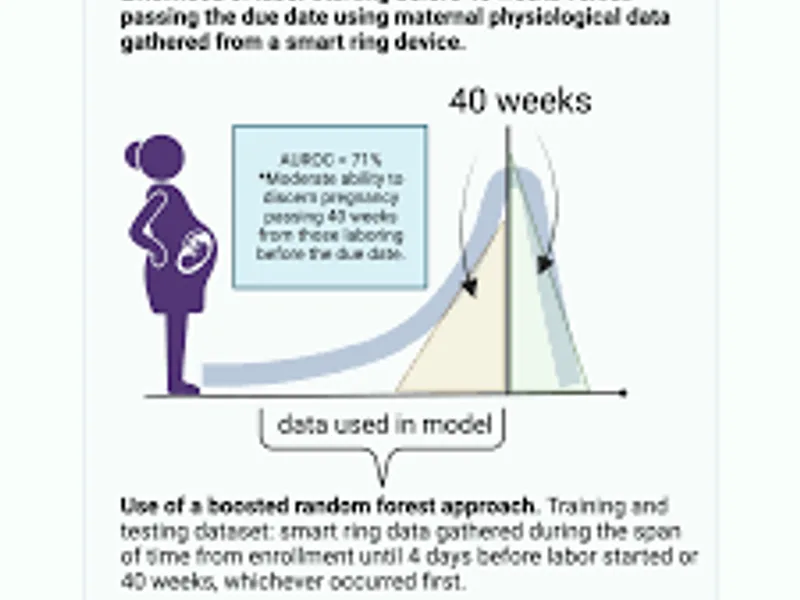
Going past your due date can feel like being stuck in a waiting room with no clock. This guide walks you through what actually happens during monitoring after due date pregnancy — the tests, the decisions, and the emotions nobody really prepares you for.
May 20, 2026
Going past your due date can feel like being stuck in a waiting room with no clock. This guide walks you through what actually happens during monitoring after due date pregnancy — the tests, the decisions, and the emotions nobody really prepares you for.
May 20, 2026
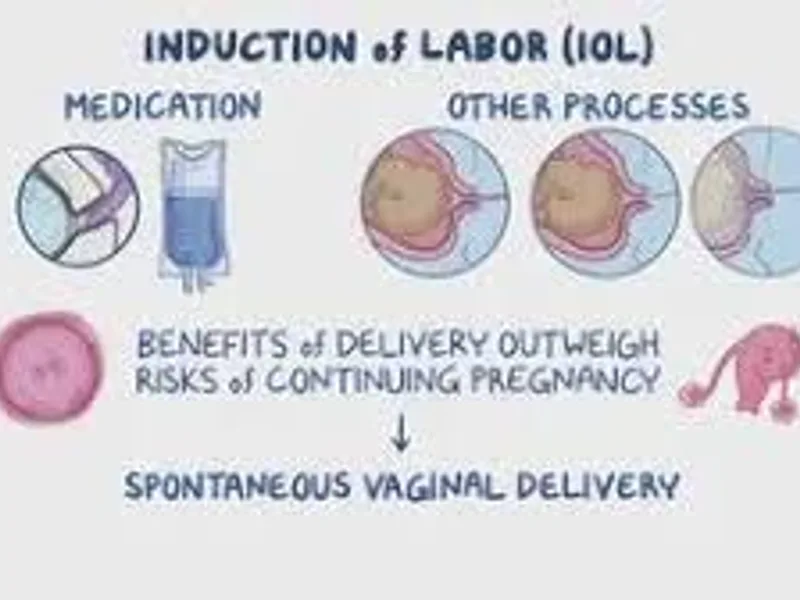
If you’re close to your due date and feeling stuck in waiting mode, this breaks down induction of labor methods in a way that actually makes sense. No jargon, no fluff—just what works, what doesn’t, and what it really feels like from a human perspective.
May 20, 2026