

Emergency & Help
24/7 Emergency & General Advisory
🚨 24/7 Medical Emergency
Non-Emergency Advisory
10:00 AM – 6:00 PM, Mon–Sat
For appointments & general queries.
24/7 Emergency & General Advisory
🚨 24/7 Medical Emergency
Non-Emergency Advisory
10:00 AM – 6:00 PM, Mon–Sat
For appointments & general queries.
Find trusted gynecologists and women's health specialists in Bhagalpur. Get expert advice and care for your reproductive health needs.
Addressing women's well-being requires access to proficient and empathetic healthcare providers. Within Bhagalpur, an increasing number of highly qualified practitioners are committed to offering complete support for women across all stages of life.
From standard check-ups to intricate reproductive system issues, these specialists provide essential assistance.
Truly, selecting the appropriate specialist is a vital action for preserving enduring well-being. These physicians are not merely experts in female reproductive systems; frequently, they act as primary care providers for women, managing a broad array of concerns.
This specialist is a physician dedicated to the female reproductive system, encompassing the vagina, cervix, uterus, fallopian tubes, and ovaries. Their proficiency covers identifying and managing ailments impacting these structures, alongside offering preventive services and guidance for well-being.
Routine appointments are advisable, generally commencing during adolescence or by the age of 21, and continuing each year then. Indeed, swift consultation is prudent if you notice any atypical indicators or symptoms. Immediate professional care should be considered for:
The numbers don't lie.
From a practical standpoint, attempting self-diagnosis can be deceptive; a professional clinical evaluation invariably offers the most dependable route.
The process of choosing an expert in women's issues within this region entails weighing multiple elements to guarantee optimal provision of services. Seek out physicians possessing robust qualifications and connections to esteemed facilities.
Practical experience serves as a primary indicator of a doctor's competence, especially when handling intricate situations.
In practical terms, accounts from previous patients and public reviews can provide significant perspectives on a physician's demeanor and the complete patient journey. Does a more effective approach exist? An reliable practitioner in this field ought to ensure you feel at ease when openly discussing private well-being issues.
Specialists in this field handle a wide spectrum of specific concerns impacting women. Foremost among these are menstrual cycle irregularities, defined by inconsistent periods, intense discomfort (dysmenorrhea), or profuse blood loss (menorrhagia). Such manifestations frequently necessitate meticulous assessment and customized management.
A further common issue is Pelvic Inflammatory Disease (PID), an infection impacting the reproductive organs which, without appropriate intervention, can result in severe adverse outcomes. Uterine fibroids and ovarian cysts—benign growths found in the uterus and on the ovaries, respectively—are also commonly identified.
The approach to their management spans from careful observation to surgical procedures, contingent upon their dimensions, placement, and associated manifestations.
Endometriosis, a disorder where uterine lining tissue develops outside the uterus, produces considerable discomfort and can impair fertility. Experts use sophisticated diagnostic instruments and various therapeutic strategies, such as hormone-based treatments and less invasive operations, to assist individuals impacted.
This is where most those affected struggle.
Improving sufferers' quality of life holds supreme importance.
This medical specialty is in constant flux, as technological progress markedly enhances patient results. Laparoscopic and robotic surgical methods, for example, facilitate less intrusive operations, offering quicker recuperation periods than conventional open surgery.
These approaches are progressively employed for ailments such as uterine fibroids, endometriosis, and hysterectomies.
Diagnostic capacities have similarly seen an uplift. Advanced imaging techniques, including 3D ultrasounds and MRI scans, yield sharper depictions of pelvic organs, allowing for more exact identifications.
The evolution of focused treatments for specific disorders, such as certain reproductive system malignancies, informed by genetic profiling, signifies a substantial leap in customized medicine. The World Health Organization (WHO) consistently highlights the significance of embracing these validated methodologies.
It is typically advised that individuals assigned female at birth schedule their first appointment for female reproductive health between the ages of 13 and 15, or soon after their initial menstrual cycle. This foundational consultation prioritizes education, discussion of typical development, and addressing any inquiries you might possess concerning the well-being of your reproductive system.
Here's where it gets interesting.
Indeed, numerous practitioners in this field either focus on or provide services related to fertility. They are capable of conducting preliminary assessments to pinpoint frequent reasons for infertility and might propose therapies or direct you to a fertility expert for more specialized assistance, should it be necessary.
One such specialist concentrates on the well-being of the female reproductive system across a woman's entire lifespan. An obstetrician, conversely, focuses on gestation, delivery, and the period following childbirth.
Many physicians hold board certification in both disciplines (OB/GYN) and are thus equipped to offer services for both dimensions of female well-being.
It is always advisable to consult a qualified physician before finalizing any healthcare choices.
Visit Hospital
Near You
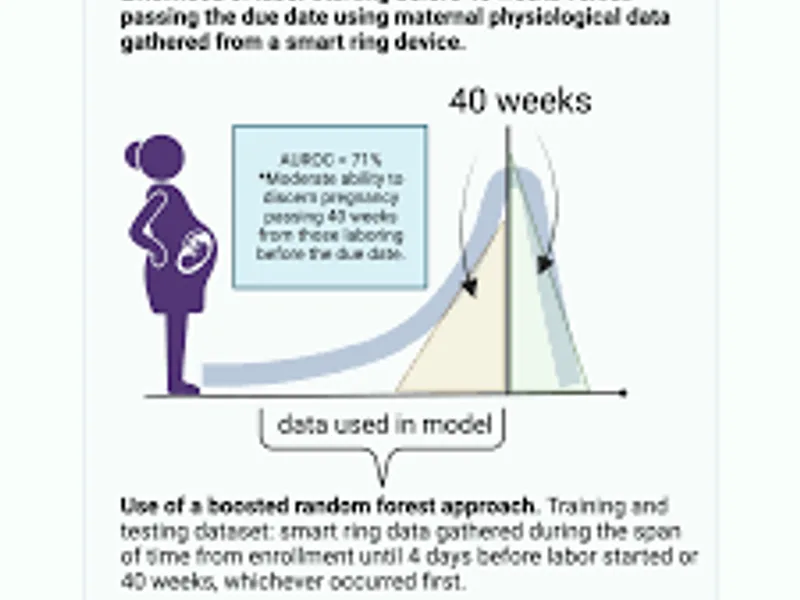
Going past your due date can feel like being stuck in a waiting room with no clock. This guide walks you through what actually happens during monitoring after due date pregnancy — the tests, the decisions, and the emotions nobody really prepares you for.
May 20, 2026
Going past your due date can feel like being stuck in a waiting room with no clock. This guide walks you through what actually happens during monitoring after due date pregnancy — the tests, the decisions, and the emotions nobody really prepares you for.
May 20, 2026
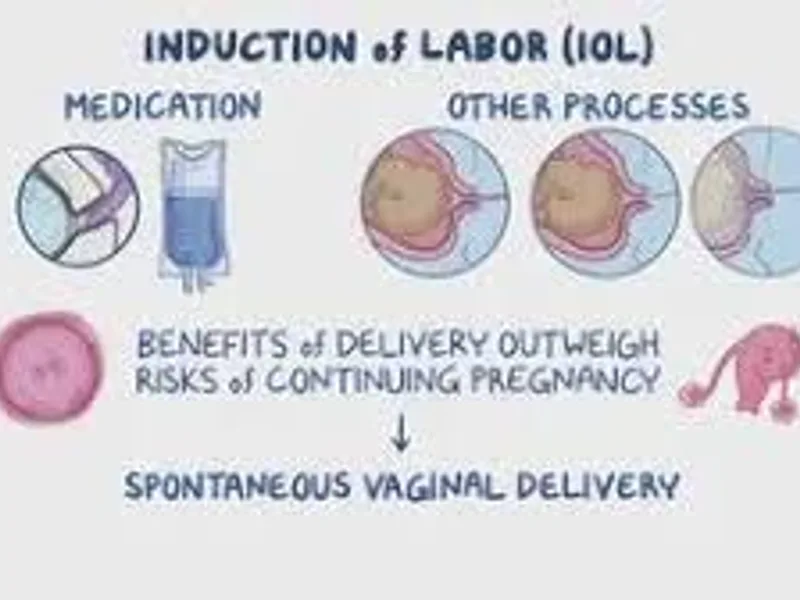
If you’re close to your due date and feeling stuck in waiting mode, this breaks down induction of labor methods in a way that actually makes sense. No jargon, no fluff—just what works, what doesn’t, and what it really feels like from a human perspective.
May 20, 2026