

Emergency & Help
24/7 Emergency & General Advisory
🚨 24/7 Medical Emergency
Non-Emergency Advisory
10:00 AM – 6:00 PM, Mon–Sat
For appointments & general queries.
24/7 Emergency & General Advisory
🚨 24/7 Medical Emergency
Non-Emergency Advisory
10:00 AM – 6:00 PM, Mon–Sat
For appointments & general queries.
Learn about the signs, diagnosis, and prevention of birth defects during pregnancy. Understand screening tests, diagnostic procedures, and steps to reduce risks for a healthy baby.
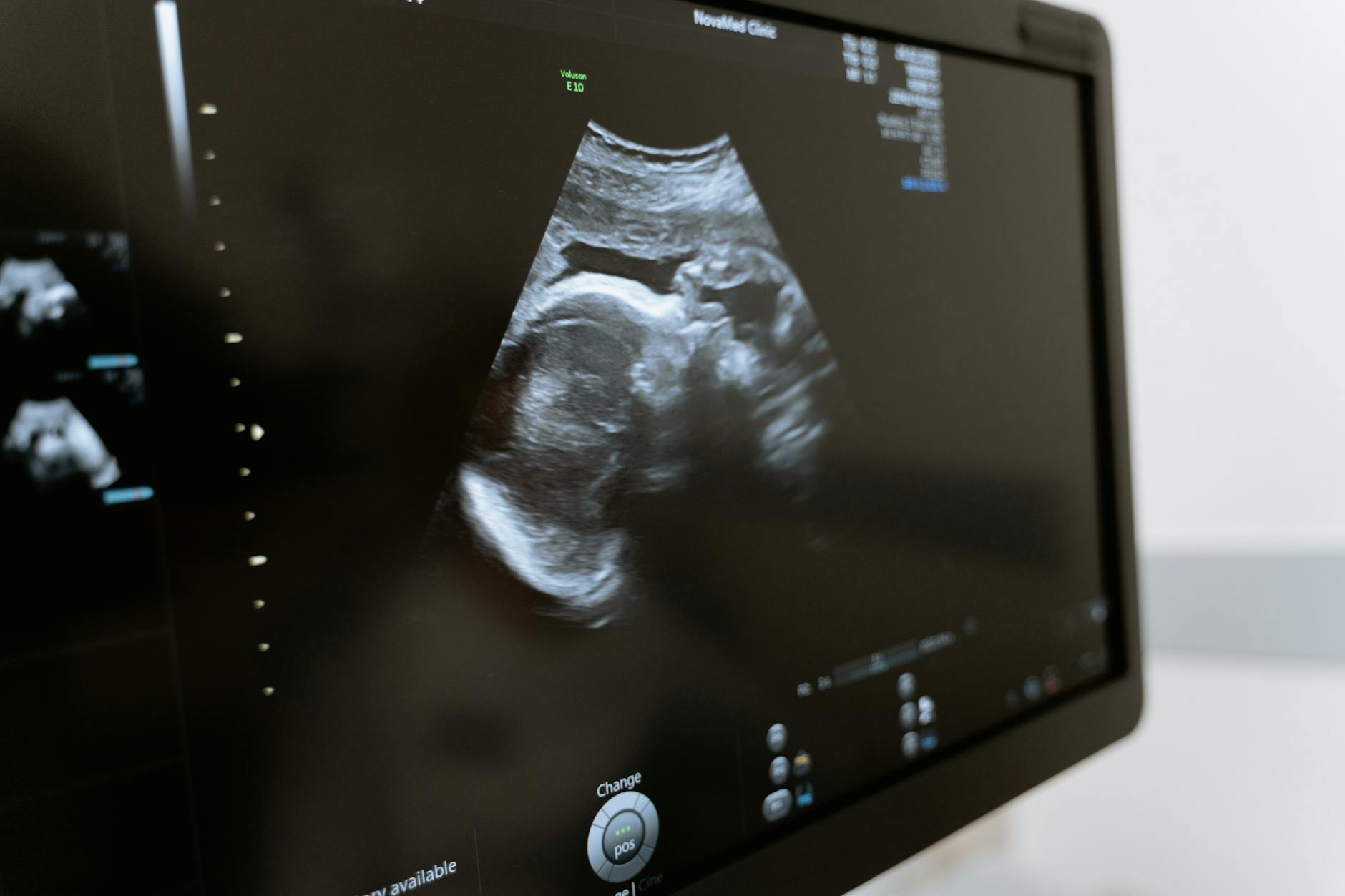
Understanding Birth Defects: Signs, Diagnosis, and Prevention During Pregnancy Birth defects, also known as congenital anomalies, are structural or functional abnormalities that occur during fetal development and are present at birth. They can affect nearly any part of the body, influencing its appearance or function. While some birth defects are mild and may not cause significant issues, others can be severe, requiring extensive medical intervention. In India, like in many parts of the world, understanding birth defects is crucial for expectant parents and healthcare providers. This article aims to provide comprehensive information on identifying potential signs, the diagnostic process, and preventive measures for birth defects during pregnancy, tailored for an Indian audience. What are Birth Defects? Birth defects are changes that occur while a fetus is developing in the womb. These can range from minor cosmetic issues to serious health problems affecting organ function. They can manifest as problems with the heart, brain, limbs, or other body parts. The prevalence of birth defects is significant, affecting approximately 3% of pregnancies globally. Early detection and management are key to improving outcomes for affected infants. Signs of Birth Defects During Pregnancy It is important to understand that there are generally no obvious outward signs or symptoms during pregnancy that directly indicate a fetus has a birth defect . Most birth defects are not detectable through physical examination of the mother alone. Instead, their detection relies heavily on medical screening and diagnostic tests performed during prenatal care. These tests are routine and designed to assess the overall health and development of the fetus. The majority of birth defects develop during the first three months of pregnancy, a critical period of organogenesis. Diagnosis of Birth Defects During Pregnancy The diagnosis of birth defects during pregnancy primarily involves a combination of screening tests and diagnostic procedures. These are typically offered to all pregnant individuals as part of standard prenatal care, with further investigations recommended if initial screenings raise concerns. Screening Tests: Ultrasound Scans: These are non-invasive imaging tests that use sound waves to create images of the fetus. They are performed at specific stages of pregnancy (e.g., around 11-14 weeks and 20-22 weeks) to check for structural abnormalities in the baby's development, such as heart defects, spinal issues, or limb abnormalities. Blood Tests: Maternal blood tests can screen for certain chromosomal abnormalities, like Down syndrome, and neural tube defects. These tests analyze specific markers in the mother's blood that may indicate an increased risk. Screening tests help identify pregnancies at higher risk but do not provide a definitive diagnosis. If screening tests show an increased risk, diagnostic tests are usually recommended. Diagnostic Tests: Chorionic Villus Sampling (CVS): This test involves taking a small sample of placental tissue, usually between 10 and 13 weeks of pregnancy. The sample is analyzed for chromosomal abnormalities and genetic disorders. Amniocentesis: This procedure involves withdrawing a small amount of amniotic fluid surrounding the fetus, typically performed between 15 and 20 weeks of pregnancy. The fluid contains fetal cells that can be analyzed for chromosomal abnormalities, genetic disorders, and neural tube defects. Fetal Echocardiogram: This is a specialized ultrasound of the baby's heart, used to detect congenital heart defects. The choice of diagnostic test depends on the stage of pregnancy and the specific concerns raised by screening tests. Common Birth Defects Diagnosed Before Birth Several common birth defects can be identified through prenatal screening and diagnostic tests. These include: Down Syndrome: A chromosomal disorder caused by an extra copy of chromosome 21. Congenital Heart Defects: Structural problems with the heart that are present at birth. Neural Tube Defects: Such as spina bifida, where the spinal cord does not close completely during development. Cleft Lip and Palate: A condition where the baby's lip or palate does not form properly. Limb Defects: Abnormalities in the development of arms or legs. Causes of Birth Defects The causes of birth defects are diverse and often complex. In many cases, the exact cause remains unknown. However, known contributing factors include: Genetic Factors: Some birth defects are inherited from parents, while others result from spontaneous changes in a baby's genes or chromosomes during conception. Examples include Down syndrome and cystic fibrosis. Environmental Factors: Exposure to certain substances or infections during pregnancy can increase the risk. This includes: Certain medications taken during pregnancy. Exposure to infections like rubella. Exposure to harmful chemicals or radiation. Maternal infections. Maternal Health Conditions: Pre-existing health issues in the mother, such as diabetes, obesity, or uncontrolled hypertension, can increase the risk of birth defects. Advanced Maternal Age: The risk of chromosomal abnormalities, like Down syndrome, increases with the mother's age, particularly after 35. Unknown Causes: For a significant number of birth defects, the cause is not identified, suggesting a complex interplay of genetic and environmental factors. Prevention of Birth Defects While not all birth defects can be prevented, several steps can significantly reduce the risk: Pre-conception Health Check-up: It is highly recommended to consult a doctor before planning a pregnancy. This allows for a review of your health status, medications, vaccinations, and lifestyle habits. Discussing any chronic health conditions like diabetes or hypertension is crucial, as they need to be well-managed before conception. Folic Acid Supplementation: Taking folic acid supplements before and during early pregnancy is one of the most effective ways to prevent neural tube defects. It is recommended to start taking folic acid at least one month before conception and continue
In summary, timely diagnosis, evidence-based treatment, and prevention-focused care improve long-term health outcomes.
Visit Hospital
Near You

Going past your due date can feel like being stuck in a waiting room with no clock. This guide walks you through what actually happens during monitoring after due date pregnancy — the tests, the decisions, and the emotions nobody really prepares you for.
May 20, 2026
Going past your due date can feel like being stuck in a waiting room with no clock. This guide walks you through what actually happens during monitoring after due date pregnancy — the tests, the decisions, and the emotions nobody really prepares you for.
May 20, 2026

If you’re close to your due date and feeling stuck in waiting mode, this breaks down induction of labor methods in a way that actually makes sense. No jargon, no fluff—just what works, what doesn’t, and what it really feels like from a human perspective.
May 20, 2026