

Emergency & Help
24/7 Emergency & General Advisory
🚨 24/7 Medical Emergency
Non-Emergency Advisory
10:00 AM – 6:00 PM, Mon–Sat
For appointments & general queries.
24/7 Emergency & General Advisory
🚨 24/7 Medical Emergency
Non-Emergency Advisory
10:00 AM – 6:00 PM, Mon–Sat
For appointments & general queries.
Learn how breast compressions can help improve milk flow and ensure your baby gets enough to eat during breastfeeding. A practical guide for new mothers.

Breastfeeding is a beautiful and intimate journey, but it comes with its own set of challenges. Many new mothers find themselves spending a significant portion of their day focused on feeding their baby, ensuring they get enough nourishment, and managing their milk supply. If you're breastfeeding, you might have encountered situations where your baby seems to be sucking but not really drinking, or perhaps you're concerned about whether your breasts are being emptied adequately. This is where a helpful technique called breast compressions comes into play. It's a simple yet effective method designed to help your baby get more milk and to ensure a more successful breastfeeding experience.
Think of it this way: your baby latches on, begins to suck, but then their sucking becomes shallow, their chin doesn't drop, and you don't hear that satisfying sound of swallowing. This can be frustrating for both you and your baby. Breast compressions are designed to address this very scenario. By applying gentle pressure to the outside of your breast, you can help stimulate the flow of milk, encouraging your baby to drink more effectively.
This technique is not just about getting more milk out; it can also help increase the speed of milk flow, which can keep your baby more engaged and awake at the breast. For mothers experiencing sore nipples due to prolonged sucking, or those dealing with recurring issues like blocked ducts or mastitis, breast compressions can offer significant relief and support.
Breast compressions can be a game-changer in several common breastfeeding situations:
A Real-Life Scenario: Imagine you're a new mom, and your baby, just a few days old, is fussing at the breast. You can see them sucking, but you don't hear many swallows, and their chin isn't dropping. You're worried they aren't getting enough of that precious colostrum. Trying breast compressions gently might be the key to helping them latch on better and extract more milk, easing your worries and satisfying your baby.
Performing breast compressions is simpler than you might think. The key is gentle, consistent pressure.
Here are some additional pointers to make breast compressions even more effective:
When performed correctly, breast compressions should not hurt your baby. The pressure is applied to the breast tissue, not directly to the nipple or areola where the baby is actively sucking. The goal is to encourage milk flow, not to cause discomfort.
Hold the compression only until your baby resumes drinking. Once you feel them actively swallowing again, release the pressure. You can reapply it if their sucking slows down without swallowing.
If your baby continues to struggle to drink even with compressions, it might be helpful to try detaching them and re-latching. Ensure the latch is deep and comfortable for both of you. If problems persist, consulting a lactation consultant or healthcare provider is highly recommended.
No, breast compressions are not necessary for every feeding. They are a tool to use when you observe specific issues, such as shallow sucking without swallowing, slow weight gain, or frequent interruptions in feeding. Many successful breastfeeding sessions do not require compressions at all.
You should seek professional help if:
A lactation consultant can assess your baby's latch, your milk transfer, and provide personalized guidance and support to make your breastfeeding journey smoother and more fulfilling.
Visit Hospital
Near You
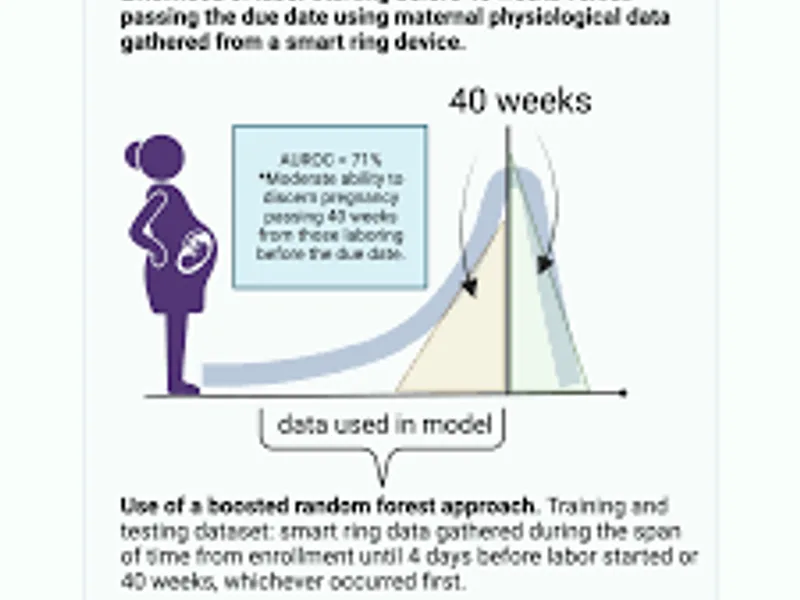
Going past your due date can feel like being stuck in a waiting room with no clock. This guide walks you through what actually happens during monitoring after due date pregnancy — the tests, the decisions, and the emotions nobody really prepares you for.
May 20, 2026
Going past your due date can feel like being stuck in a waiting room with no clock. This guide walks you through what actually happens during monitoring after due date pregnancy — the tests, the decisions, and the emotions nobody really prepares you for.
May 20, 2026
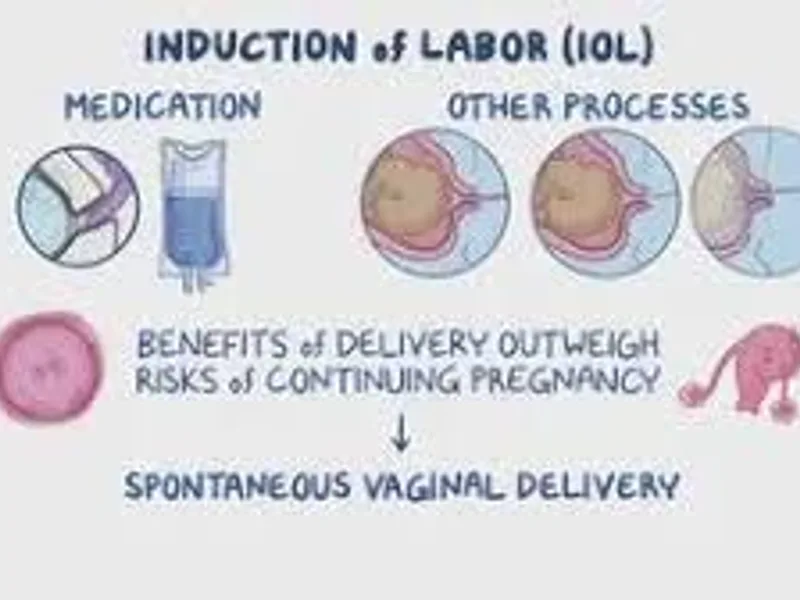
If you’re close to your due date and feeling stuck in waiting mode, this breaks down induction of labor methods in a way that actually makes sense. No jargon, no fluff—just what works, what doesn’t, and what it really feels like from a human perspective.
May 20, 2026