

Emergency & Help
24/7 Emergency & General Advisory
🚨 24/7 Medical Emergency
Non-Emergency Advisory
10:00 AM – 6:00 PM, Mon–Sat
For appointments & general queries.
24/7 Emergency & General Advisory
🚨 24/7 Medical Emergency
Non-Emergency Advisory
10:00 AM – 6:00 PM, Mon–Sat
For appointments & general queries.
Learn about C-section scars: types of incisions, healing, essential aftercare, and effective ways to minimize their appearance for Indian mothers.

Bringing a new life into the world is a remarkable journey, and for many mothers in India, a Cesarean section, or C-section, becomes a part of that experience. While the primary focus is on the health of both mother and baby, it's natural to wonder about the physical changes that follow, particularly the C-section scar. This guide aims to demystify C-section scars, offering practical advice and insights for Indian mothers navigating the healing process and beyond.
A C-section is more than just a single cut; it involves two main incisions. First, your surgeon makes an incision through your abdominal wall. Then, another incision is made in your uterus to allow for the baby's delivery. Both incisions are typically around 4 to 6 inches long – just enough space to safely bring your baby into the world. While generally safe, a C-section is a major surgical procedure, and like any surgery, it results in a scar as the body heals.
The good news is that most C-section scars are strategically placed, usually just below the bikini line, making them less noticeable once healed. Over time, many scars fade into a thin, faint line. Let's explore the types of incisions, how the wounds are closed, essential aftercare for optimal healing, and effective ways to minimize the scar's appearance.
The way your C-section scar looks depends largely on the type of incision made. Surgeons typically use one of two main types for the abdominal incision:
Your uterine incision will usually correspond to your abdominal incision. A low transverse incision is typically made for a bikini cut, while a classic abdominal incision might be paired with a classic uterine incision or a low vertical incision, depending on the baby's position and the circumstances of the birth.
After the baby is delivered, the surgeon carefully closes both the uterine and abdominal incisions. Several methods are used:
It's always a good idea to discuss any preferences you might have regarding wound closure with your doctor during your prenatal appointments.
A C-section is major surgery, and proper care of your incision is vital to prevent complications like infection and to promote good healing. Here’s what you need to know:
Keep the Incision Clean: While you'll feel sore, maintaining cleanliness is important. During showers, let water and soap gently run over the incision. Avoid scrubbing. After washing, gently pat the area dry with a clean towel. Do not use harsh soaps or apply lotions directly to the incision unless advised by your doctor.
Wear Loose-Fitting Clothing: Opt for comfort! Tight clothing, like skinny jeans or tight waistbands, can rub against and irritate your incision. Choose soft, loose-fitting garments such as pyjamas, flowing dresses, or track pants. Loose clothing also allows for better air circulation, which can aid the healing process.
Limit Physical Activity: It's tempting to get back to your pre-pregnancy routine quickly, but your body needs time to heal. Avoid strenuous activities, heavy lifting (anything heavier than your baby), and activities that involve bending or twisting until your doctor gives you the all-clear. Overexertion can put stress on the incision and potentially cause it to reopen.
Manage Pain and Discomfort: Your doctor will likely prescribe pain relief medication. Heat therapy can also be very effective. Applying a heating pad (on a low setting) to your abdomen for about 15 minutes at a time can help ease pain and soreness. Always use a cloth barrier between the heating pad and your skin.
Attend All Follow-Up Appointments: These appointments are crucial for your doctor to monitor the healing progress of your incision, check for any signs of infection, and address any concerns you may have. Don't skip them!
Once your incision has healed, you might be interested in ways to make the scar less noticeable. While complete disappearance isn't always possible, several strategies can help:
Once your incision is fully closed and your doctor approves, gently massaging the scar can help break down scar tissue and improve its flexibility and appearance. Use a lubricant like coconut oil or a silicone-based scar gel. Massage in circular motions, applying gentle pressure. Start gently and gradually increase pressure as comfortable. Aim for a few minutes daily.
Silicone is a well-researched ingredient for scar management. Silicone sheets or gels can help to hydrate the scar tissue and create a barrier, which can flatten and soften the scar over time. Follow the product instructions carefully and use consistently for several months.
Over-the-counter creams and ointments containing ingredients like onion extract, vitamin E, or hyaluronic acid are sometimes used. While evidence varies, some women find them helpful in improving scar texture and colour. Always patch-test a new product on a small area first.
Protecting your scar from the sun is paramount. Sun exposure can cause the scar to darken and become more prominent. Keep the scar covered with clothing or use a high-SPF sunscreen (SPF 30 or higher) when it's exposed to sunlight.
For more significant concerns, consider consulting a dermatologist. Treatments like laser therapy, microneedling, or chemical peels can help improve the scar's colour and texture. These are usually considered once the scar has fully matured, typically after a year.
While healing generally progresses smoothly, it's important to be aware of potential issues. Contact your doctor immediately if you notice any of the following signs around your C-section incision:
These could be signs of infection or other complications that require prompt medical attention.
Priya, a new mother in Mumbai, was concerned about her C-section scar. It felt tight and sometimes itchy, making her self-conscious. Her doctor advised her to start gentle scar massage with coconut oil after her six-week check-up. Priya diligently massaged her scar daily, and within a few months, she noticed it felt softer and less noticeable. She also started wearing looser clothing and was careful to protect it from the sun, feeling more confident about her body's healing journey.
The initial healing of the external incision usually takes about 4-6 weeks. However, the deeper tissues take longer to repair, and the scar will continue to mature and fade over 1-2 years.
Yes, itching is very common as the scar heals. This is a sign of nerve endings regenerating. Avoid scratching, as this can damage the healing skin. Try gently tapping or applying a cool compress.
Yes, many women go on to have successful vaginal births or repeat C-sections after a previous C-section. Your doctor will advise on the best timing and mode of delivery for future pregnancies based on your scar healing and overall health.
You should wait until your incision is fully healed and your doctor gives you the go-ahead, typically around 6 weeks postpartum. This is to prevent infection.
Visit Hospital
Near You
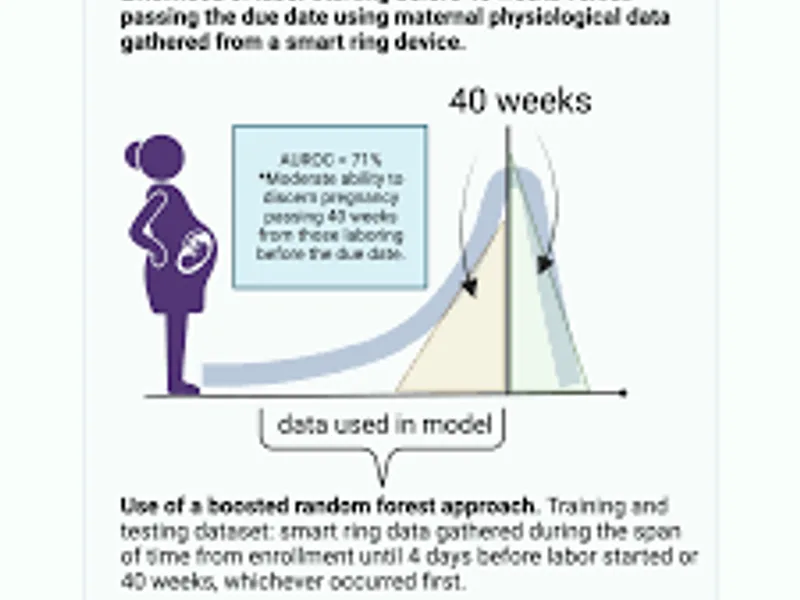
Going past your due date can feel like being stuck in a waiting room with no clock. This guide walks you through what actually happens during monitoring after due date pregnancy — the tests, the decisions, and the emotions nobody really prepares you for.
May 20, 2026
Going past your due date can feel like being stuck in a waiting room with no clock. This guide walks you through what actually happens during monitoring after due date pregnancy — the tests, the decisions, and the emotions nobody really prepares you for.
May 20, 2026
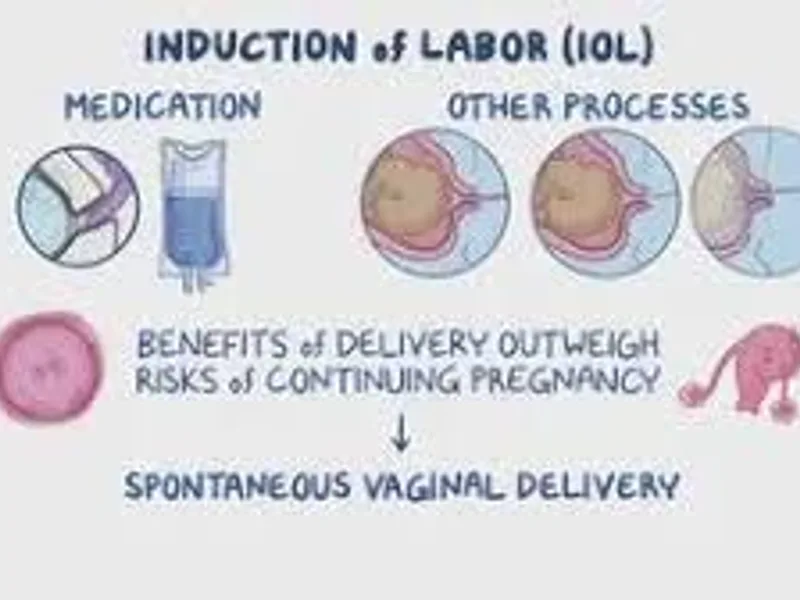
If you’re close to your due date and feeling stuck in waiting mode, this breaks down induction of labor methods in a way that actually makes sense. No jargon, no fluff—just what works, what doesn’t, and what it really feels like from a human perspective.
May 20, 2026