

Emergency & Help
24/7 Emergency & General Advisory
🚨 24/7 Medical Emergency
Non-Emergency Advisory
10:00 AM – 6:00 PM, Mon–Sat
For appointments & general queries.
24/7 Emergency & General Advisory
🚨 24/7 Medical Emergency
Non-Emergency Advisory
10:00 AM – 6:00 PM, Mon–Sat
For appointments & general queries.
Learn about cervical dilation, the key process of the cervix opening during labor. Understand the stages, what affects progress, and when to contact your doctor.

Welcoming a new baby is an incredible journey, and understanding the stages of labor can help ease anxiety and empower expectant parents. A key indicator of labor's progress is cervical dilation – the opening of the cervix to allow the baby to pass through the birth canal. This process is closely monitored by healthcare providers to ensure everything is progressing safely and efficiently. Let's explore what cervical dilation means, how it's measured, and what you can expect during each stage of labor.
Think of your uterus as a balloon and the cervix as its neck. During pregnancy, the cervix remains long, thick, and closed to keep the baby safely inside. As labor begins, this “neck” starts to change. It softens, shortens (effaces), and gradually opens (dilates). Cervical dilation is measured in centimeters (cm), with 10 cm representing full dilation – the point at which vaginal delivery is possible.
Healthcare professionals use a sterile gloved hand to feel the cervix and estimate how many centimeters it has opened. This measurement, along with the frequency and intensity of contractions, helps them assess your labor progress. It’s a dynamic process, and the rate of dilation can vary significantly from person to person.
Labor is typically divided into three stages, each marked by specific changes in the cervix and the birthing process.
This is the longest stage of labor and is further divided into two phases:
A common scenario: Priya is at home, feeling mild, irregular tightenings. She’s been timing them, and they’re about 10-15 minutes apart. She tries to relax, takes a warm bath, and drinks water. After a few hours, the tightenings become more regular and stronger, about 5 minutes apart. She calls her doctor, who advises her to head to the hospital as she’s likely entering the active phase of labor.
Once your cervix is fully dilated to 10 cm, the second stage of labor begins. This is the stage where you actively push to help the baby move down the birth canal and out into the world. Contractions during this stage are typically powerful, coming every 2 to 3 minutes and lasting 60 to 90 seconds. Your urge to push will be strong, driven by the baby's descent.
The duration of this stage varies greatly. For some, it might be just a few pushes, while for others, it can take a couple of hours. Factors like your first-time delivery, the baby's position, and whether you've had an epidural can influence how long this stage lasts. Epidurals can sometimes reduce the urge to push, potentially prolonging this stage. Your birthing team will guide you on pushing techniques and positions that feel most comfortable and effective for you.
Even after the baby is born, labor isn't quite over. The third stage involves the delivery of the placenta. After the baby is out, your uterus will continue to contract, though usually less intensely, to help the placenta detach and be expelled. This usually happens within 5 to 30 minutes after the baby's birth. Your doctor or midwife will check the placenta to ensure it's complete and intact.
Several factors can influence the rate and progression of cervical dilation:
It's important to know when to contact your healthcare provider. Generally, you should call your doctor or midwife if:
Always follow the specific advice given by your healthcare provider regarding when to come to the hospital or birthing center.
Effacement is the thinning and shortening of the cervix, measured in percentages from 0% to 100%. It usually happens along with dilation.
It's possible to be slightly dilated without strong, regular contractions, especially in the latent phase or if you're close to your due date. However, active labor typically requires consistent contractions.
This varies widely. In the active phase, dilation might progress at about 1.2 to 1.5 cm per hour. So, it could take anywhere from 3 to 7 hours, or sometimes longer, to go from 5 cm to 10 cm.
The dilation itself doesn't typically cause pain, but the strong contractions that cause dilation can be painful. The internal exams to check dilation can cause some discomfort.
Understanding cervical dilation is a vital part of the childbirth process. By staying informed and communicating with your healthcare team, you can navigate labor with greater confidence and peace of mind. Remember, every birth is unique, and your care providers are there to support you every step of the way.
Visit Hospital
Near You
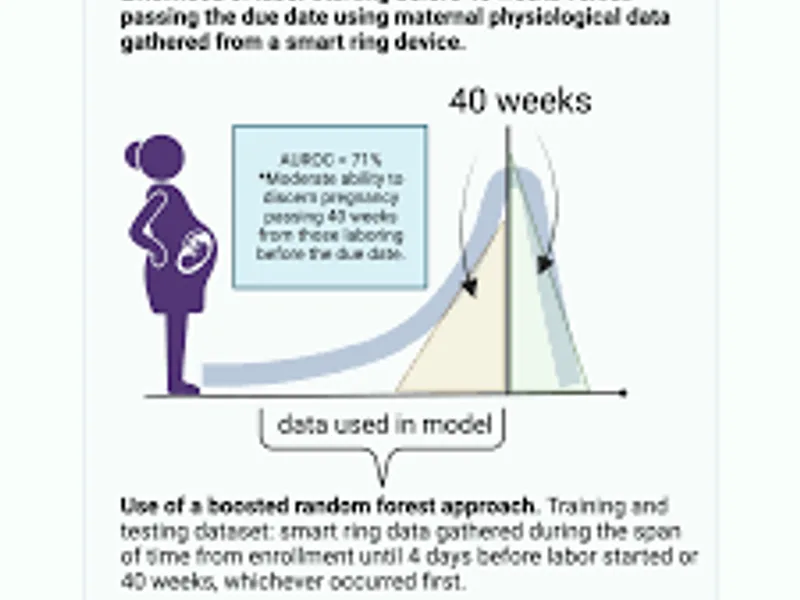
Going past your due date can feel like being stuck in a waiting room with no clock. This guide walks you through what actually happens during monitoring after due date pregnancy — the tests, the decisions, and the emotions nobody really prepares you for.
May 20, 2026
Going past your due date can feel like being stuck in a waiting room with no clock. This guide walks you through what actually happens during monitoring after due date pregnancy — the tests, the decisions, and the emotions nobody really prepares you for.
May 20, 2026
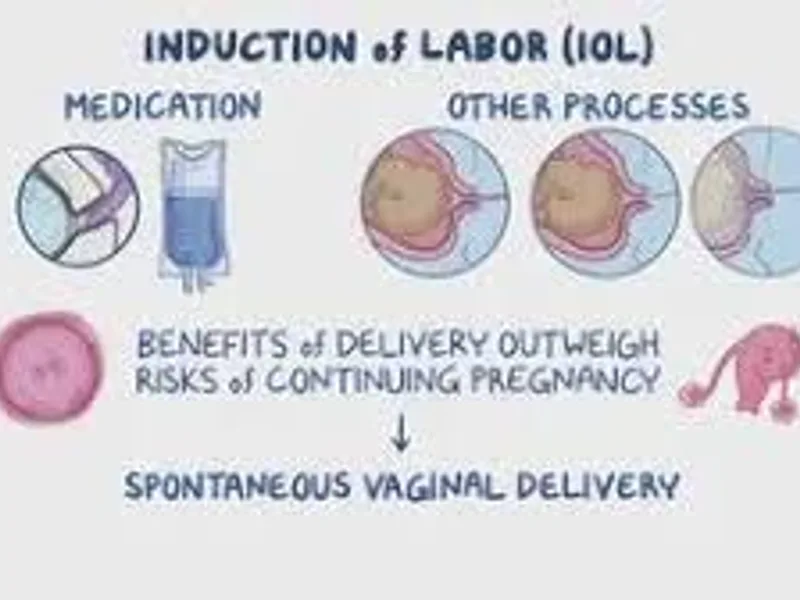
If you’re close to your due date and feeling stuck in waiting mode, this breaks down induction of labor methods in a way that actually makes sense. No jargon, no fluff—just what works, what doesn’t, and what it really feels like from a human perspective.
May 20, 2026