

Emergency & Help
24/7 Emergency & General Advisory
🚨 24/7 Medical Emergency
Non-Emergency Advisory
10:00 AM – 6:00 PM, Mon–Sat
For appointments & general queries.
24/7 Emergency & General Advisory
🚨 24/7 Medical Emergency
Non-Emergency Advisory
10:00 AM – 6:00 PM, Mon–Sat
For appointments & general queries.
Learn about cystic fibrosis testing during pregnancy, including why it's important, how it's done, and what the results mean for Indian families. Understand carrier status and risks for your baby.

What is Cystic Fibrosis (CF)? Cystic Fibrosis (CF) is a serious inherited genetic disorder that affects the lungs, pancreas, liver, kidneys, and intestines. It causes the body to produce thick, sticky mucus that can clog various passages, leading to breathing difficulties, infections, and problems with digestion and nutrient absorption. In India, while less common than in some Western countries, CF does occur, and understanding testing options during pregnancy is crucial for expectant parents. CF is caused by mutations in the CFTR (cystic fibrosis transmembrane conductance regulator) gene. To develop CF, a person must inherit a copy of the altered gene from both biological parents. If a person inherits only one copy of the altered gene, they do not have CF and typically show no symptoms, but they are a carrier. Carriers can pass the gene on to their children. Why is Cystic Fibrosis Testing Important During Pregnancy? For Indian families, genetic screening during pregnancy can provide valuable information about the health of the unborn child. Cystic fibrosis carrier screening is offered to expectant mothers, usually during the first trimester. This screening helps determine if the mother carries a mutated gene for CF. If the mother is a carrier, the biological father can also be screened. Knowing the carrier status of both parents is essential because: If both parents are carriers, there is a 25% chance with each pregnancy that their baby will inherit two copies of the altered gene and have CF. There is a 50% chance the baby will inherit one copy and be a carrier, like the parents. There is a 25% chance the baby will inherit two normal copies of the gene and neither have CF nor be a carrier. This information empowers parents to make informed decisions about their pregnancy and prepare for the potential needs of their child. How is Cystic Fibrosis Testing Done During Pregnancy? Cystic fibrosis carrier screening for adults is typically performed using a simple blood test. In some cases, a sample might be collected by scraping cells from the inside of the cheek (a buccal swab or smear). If the screening is part of prenatal testing, and a high risk is identified (i.e., both parents are carriers), further diagnostic tests may be offered. These can include: Amniocentesis: A small amount of amniotic fluid surrounding the fetus is collected using a needle inserted into the uterus. This fluid contains fetal cells that can be tested for genetic mutations. This is usually done between 15 and 20 weeks of pregnancy. Chorionic Villus Sampling (CVS): A small sample of tissue from the placenta is collected. This can be done earlier in pregnancy, typically between 10 and 13 weeks. These diagnostic tests can confirm whether the fetus has cystic fibrosis. Preparation for Cystic Fibrosis Testing The good news is that there is usually no special preparation needed for the carrier screening blood test. You can eat, drink, and carry on with your day as usual. The test can be performed at any time of the day. Understanding the Results The interpretation of CF testing results is crucial: Negative Test: If your test is negative, it means you do not carry any of the common CF gene mutations tested for. However, there is a very small chance you could still be a carrier for a rare mutation not included in the standard screening. Positive Test (Carrier): If your test is positive, it means you carry at least one of the common CF gene mutations. This indicates you are a carrier. It does NOT mean you have CF or will develop it. You will not have any symptoms of CF as a carrier. If you are identified as a carrier, your healthcare provider will recommend that the biological father also be screened. The results for both parents will determine the risk for your baby: Both Parents Carriers: As mentioned, this scenario carries a 25% risk for the baby to have CF with each pregnancy. Diagnostic testing (amniocentesis or CVS) will be offered to determine the fetus's status. One Parent Carrier, One Not: The baby will not have CF but has a 50% chance of being a carrier. Neither Parent Carrier: The baby will not have CF and will not be a carrier. Cystic Fibrosis in Adults and Pregnancy While CF is typically diagnosed in childhood, a milder form known as adult-onset cystic fibrosis can be diagnosed after the age of 18. In rare instances, an expecting mother might present with symptoms of CF during pregnancy. If this occurs, she will undergo thorough testing and evaluation. Early diagnosis and management are key to improving outcomes for both the mother and the baby. Prevalence in India and Genetic Diversity Cystic fibrosis is generally considered less prevalent in India compared to Caucasian populations. However, genetic conditions can occur in any population group. The standard CF carrier screening tests look for the most common mutations found in Western populations. It's important for Indian families to discuss with their healthcare providers whether these standard tests are sufficient or if expanded genetic testing, which can detect a wider range of mutations (over 2,000 are known), might be more appropriate, especially if there is a family history or specific concerns. When to Consult a Doctor It is advisable to discuss cystic fibrosis testing with your doctor or a genetic counselor before or during your pregnancy , especially if: You or your partner have a
In summary, timely diagnosis, evidence-based treatment, and prevention-focused care improve long-term health outcomes.
Visit Hospital
Near You
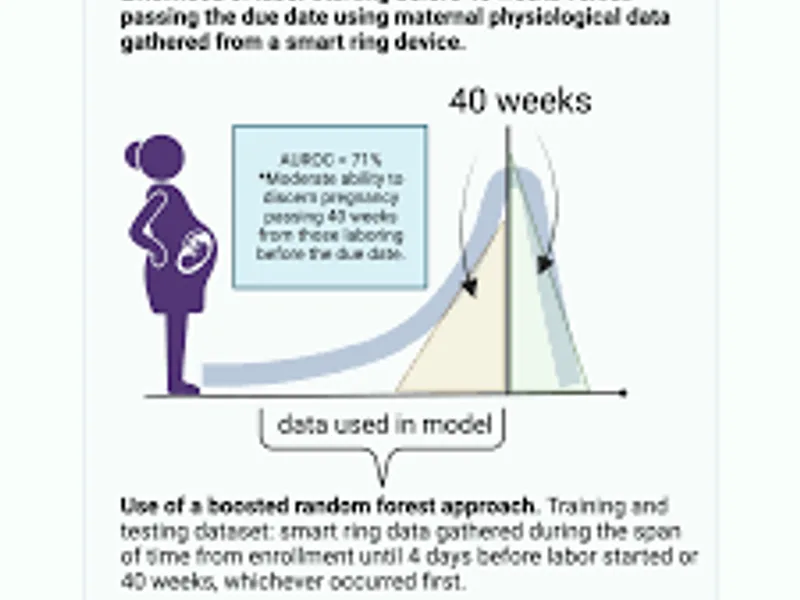
Going past your due date can feel like being stuck in a waiting room with no clock. This guide walks you through what actually happens during monitoring after due date pregnancy — the tests, the decisions, and the emotions nobody really prepares you for.
May 20, 2026
Going past your due date can feel like being stuck in a waiting room with no clock. This guide walks you through what actually happens during monitoring after due date pregnancy — the tests, the decisions, and the emotions nobody really prepares you for.
May 20, 2026
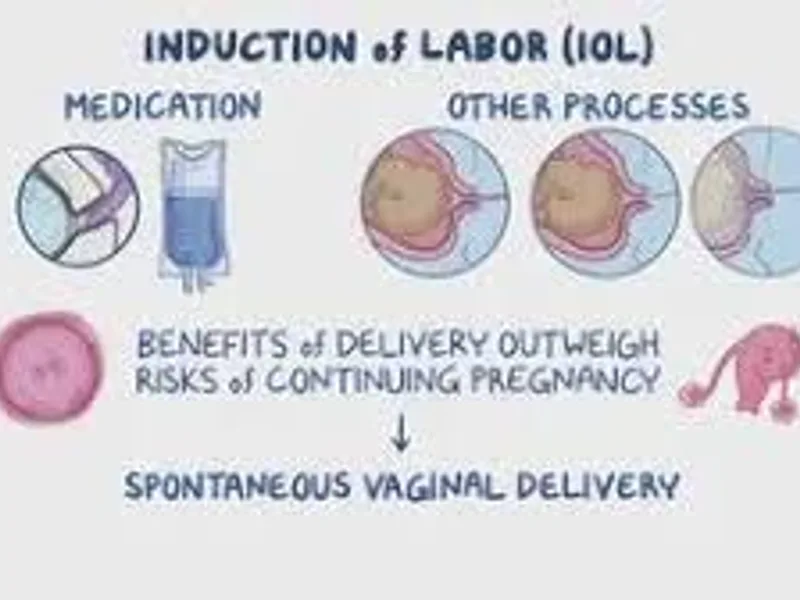
If you’re close to your due date and feeling stuck in waiting mode, this breaks down induction of labor methods in a way that actually makes sense. No jargon, no fluff—just what works, what doesn’t, and what it really feels like from a human perspective.
May 20, 2026