

Emergency & Help
24/7 Emergency & General Advisory
🚨 24/7 Medical Emergency
Non-Emergency Advisory
10:00 AM – 6:00 PM, Mon–Sat
For appointments & general queries.
24/7 Emergency & General Advisory
🚨 24/7 Medical Emergency
Non-Emergency Advisory
10:00 AM – 6:00 PM, Mon–Sat
For appointments & general queries.
Black women face unique traumas during pregnancy due to systemic racism and bias, leading to severe health disparities. Learn about the causes, impacts, and coping strategies for pregnancy trauma.

Pregnancy is often portrayed as a joyous and transformative period. However, for many Black women in the United States, this experience is shadowed by significant trauma, leading to severe health disparities. This isn't a matter of biological difference; it's a stark consequence of deeply ingrained systemic issues like racism and gender bias. Understanding this trauma is the first step toward addressing it and advocating for better maternal care.
Black women face a disproportionately higher risk of complications during pregnancy and childbirth, including a three times greater chance of dying from pregnancy-related causes compared to white women. They are also more likely to experience high blood pressure disorders during pregnancy, which are often more severe. The outcomes extend to their newborns, with a higher incidence of low birth weight and increased infant mortality rates.
Beyond the immediate physical risks, Black women are twice as likely to experience infertility and less likely to find support or discuss it openly. These statistics paint a grim picture, but they don't tell the whole story. The emotional and psychological toll, the trauma, is often overlooked. This trauma can begin even before conception, continue throughout pregnancy, and persist after birth.
Pregnancy trauma refers to the psychological and emotional distress experienced by individuals during or around the time of conception, pregnancy, childbirth, or the postpartum period. For Black women, this trauma is compounded by a lifetime of navigating systemic oppression, including institutionalized racism, gendered racism, and the intersectionality of these biases.
The constant stress from navigating sexism and racism leads to a phenomenon known as 'weathering.' This cumulative stress can take a significant toll on a Black woman's health, increasing her risk for conditions like heart disease, stroke, diabetes, and obesity even before pregnancy.
Medical bias plays a critical role in the traumatic experiences of Black women during pregnancy. This bias manifests in various ways:
A real-life scenario: Imagine a Black woman experiencing severe nausea and vomiting, a common symptom of hyperemesis gravidarum. Despite her distress and clear signs of dehydration, her concerns are initially dismissed by a healthcare provider who attributes it to 'normal pregnancy discomfort,' delaying necessary treatment and increasing her anxiety and distress.
The stress and physiological responses triggered by trauma can have profound effects on a woman's health and the progression of her pregnancy:
While Black women cannot dismantle systemic racism alone, they can employ strategies to cope with and mitigate the impact of trauma:
Research increasingly shows positive health outcomes when patients have healthcare providers who share their racial or ethnic background. For Black women, seeking out Black physicians can lead to improved communication, greater trust, and a more empathetic care experience.
It is important to consult a doctor or mental health professional if you experience any of the following:
Remember, seeking help is a sign of strength, not weakness. There are resources available to support your physical and mental well-being during and after pregnancy.
Yes, chronic and severe stress during pregnancy, especially when related to trauma and systemic oppression, can affect fetal development and increase risks for certain complications in both the mother and the baby. This is why managing stress and seeking support is so vital.
'Weathering' refers to the cumulative physiological wear and tear that Black women experience due to chronic stress from navigating racism and other forms of discrimination. This can lead to earlier onset of chronic diseases and poorer health outcomes.
You can ask your insurance provider for a list of in-network physicians, search online directories that allow you to filter by race or specialty, or ask for recommendations from community organizations or trusted friends and family members who have had positive experiences.
Visit Hospital
Near You
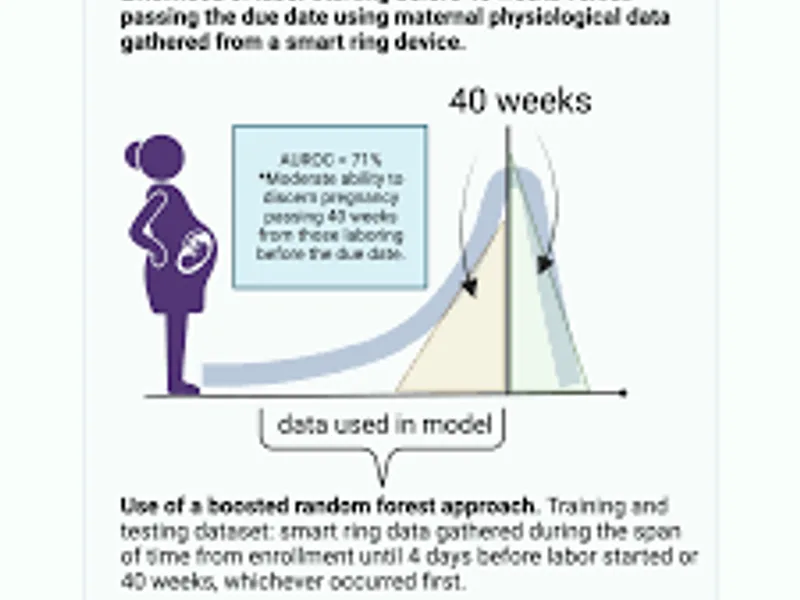
Going past your due date can feel like being stuck in a waiting room with no clock. This guide walks you through what actually happens during monitoring after due date pregnancy — the tests, the decisions, and the emotions nobody really prepares you for.
May 20, 2026
Going past your due date can feel like being stuck in a waiting room with no clock. This guide walks you through what actually happens during monitoring after due date pregnancy — the tests, the decisions, and the emotions nobody really prepares you for.
May 20, 2026
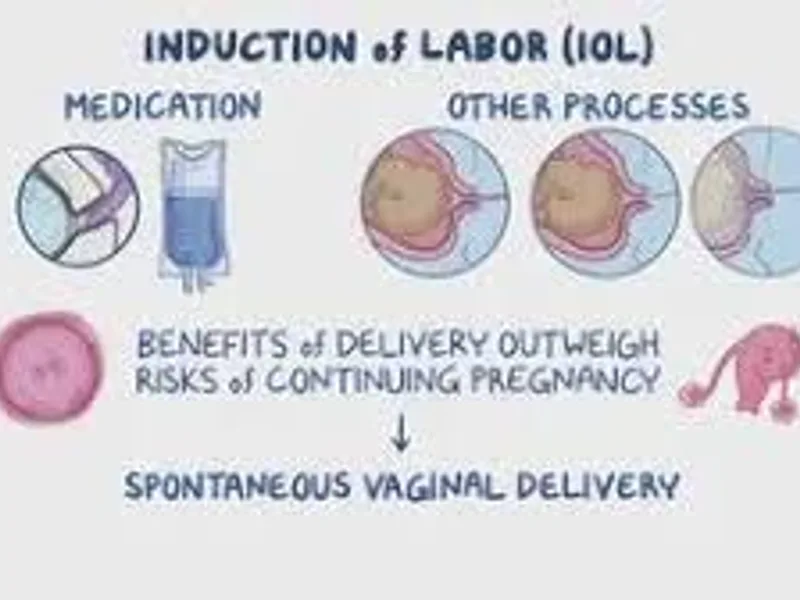
If you’re close to your due date and feeling stuck in waiting mode, this breaks down induction of labor methods in a way that actually makes sense. No jargon, no fluff—just what works, what doesn’t, and what it really feels like from a human perspective.
May 20, 2026