

Emergency & Help
24/7 Emergency & General Advisory
🚨 24/7 Medical Emergency
Non-Emergency Advisory
10:00 AM – 6:00 PM, Mon–Sat
For appointments & general queries.
24/7 Emergency & General Advisory
🚨 24/7 Medical Emergency
Non-Emergency Advisory
10:00 AM – 6:00 PM, Mon–Sat
For appointments & general queries.
Understand the different types of prenatal screening tests available during pregnancy, including when they are performed, what they detect, and how they help ensure a healthy outcome for you and your baby.

Pregnancy is a time filled with joy, anticipation, and, let's be honest, a fair bit of worry. Among the many decisions and appointments, prenatal screening tests often come up. These tests are designed to provide valuable information about your baby's development and screen for potential genetic or developmental conditions. While the thought of testing can be daunting, understanding what they are, why they're done, and what they can tell you is empowering. This guide aims to demystify prenatal screening tests, offering clear, practical information for expectant parents in India.
Think of prenatal screening tests as a way to get an early look at your baby's health. They are not definitive diagnoses but rather assessments that indicate whether your baby might be at a higher risk for certain conditions. If a screening test suggests a potential issue, your doctor will discuss further diagnostic tests, which can provide more conclusive answers. These tests are generally optional, but your doctor will likely recommend them based on your individual health and pregnancy.
The primary goal of prenatal screening is to identify pregnancies that may have an increased risk for certain genetic or chromosomal abnormalities, such as Down syndrome or neural tube defects. Early identification allows for timely medical intervention, planning, and support for both the parents and the baby. For example, knowing about a potential heart condition before birth can help doctors prepare the necessary care immediately after delivery.
Furthermore, some screening tests monitor the health of the mother and the progression of the pregnancy itself. Tests for conditions like gestational diabetes are vital for managing your health during pregnancy, which directly impacts your baby's well-being.
Prenatal screening tests are typically offered during the first and second trimesters of pregnancy. Here's a breakdown of common tests:
These early tests combine a blood test and an ultrasound to assess your baby's development and screen for chromosomal abnormalities. Your doctor will collect a blood sample to measure specific hormone levels. Simultaneously, an ultrasound is performed.
A common scenario is when Mrs. Sharma, a 30-year-old first-time mother, undergoes her first trimester screening. The NT ultrasound shows a slightly thicker measurement than usual. Her doctor explains that this doesn't mean her baby has Down syndrome but indicates a higher probability, and further tests will be discussed.
If you missed first-trimester screening or your doctor recommends it, second-trimester tests are available. These primarily involve blood tests.
This detailed ultrasound is a cornerstone of prenatal assessment. It's performed between 18 and 22 weeks to carefully examine your baby's anatomy, including their organs, limbs, and facial features. Technicians and doctors look for any physical abnormalities and can also confirm the baby's growth and development. This scan can detect many structural issues, though it's not a screening test for genetic conditions in the same way as the NT ultrasound.
Gestational diabetes is a condition that develops during pregnancy. Screening for it is important for managing your health and your baby's. The most common test is the glucose challenge test, usually done between 24 and 28 weeks.
GBS is a type of bacteria that can be present in a pregnant person's body without causing symptoms but can be harmful to a newborn during birth. A swab is taken from your vagina and rectum between 36 and 37 weeks to test for GBS. If the test is positive, you will receive antibiotics during labor to prevent your baby from contracting an infection.
If your blood type is Rh-negative and your baby's father's blood type is Rh-positive, your baby could be Rh-positive. If your blood mixes with your baby's, your body might produce antibodies that can harm your baby's red blood cells. This is called Rh incompatibility. To prevent this, most Rh-negative pregnant individuals receive a shot of Rh-immune globulin around 28 weeks of pregnancy and again shortly after delivery. This shot prevents your body from forming antibodies.
It's crucial to understand the difference:
Choosing whether to undergo prenatal screening tests is a personal decision. Discuss your options thoroughly with your obstetrician or gynecologist. Consider your personal beliefs, family history, and any specific concerns you may have. Your healthcare provider is your best resource for understanding the benefits, limitations, and potential risks associated with each test.
What to do next:
You should consult your doctor immediately if:
Navigating pregnancy involves many choices. Understanding prenatal screening tests is one step towards a healthier pregnancy journey. Remember, your doctor is your partner in this, offering guidance and support every step of the way.
Q1: Are prenatal screening tests mandatory in India?
No, prenatal screening tests are generally optional. Your doctor will recommend them based on your individual circumstances, but the final decision rests with you and your partner.
Q2: Can screening tests tell me for sure if my baby has a genetic disorder?
Screening tests indicate a risk or probability, not a definitive diagnosis. If a screening test shows a higher risk, diagnostic tests like CVS or amniocentesis are needed for a conclusive result.
Q3: Are these tests safe for my baby?
Screening tests like ultrasounds and blood tests are generally considered safe. Diagnostic tests like CVS and amniocentesis carry a small risk of complications, which your doctor will discuss with you.
Q4: What happens if I test positive for gestational diabetes?
If you test positive, your doctor will work with you to manage your blood sugar levels through diet, exercise, and potentially medication. This is important for your health and your baby's well-being. You should also plan for regular diabetes screening after your pregnancy.
Q5: How do I prepare for a prenatal screening test?
Preparation varies by test. For blood tests, you might need to fast. For ultrasounds, you may be asked to drink water beforehand. Your doctor will provide specific instructions for each test.
Visit Hospital
Near You
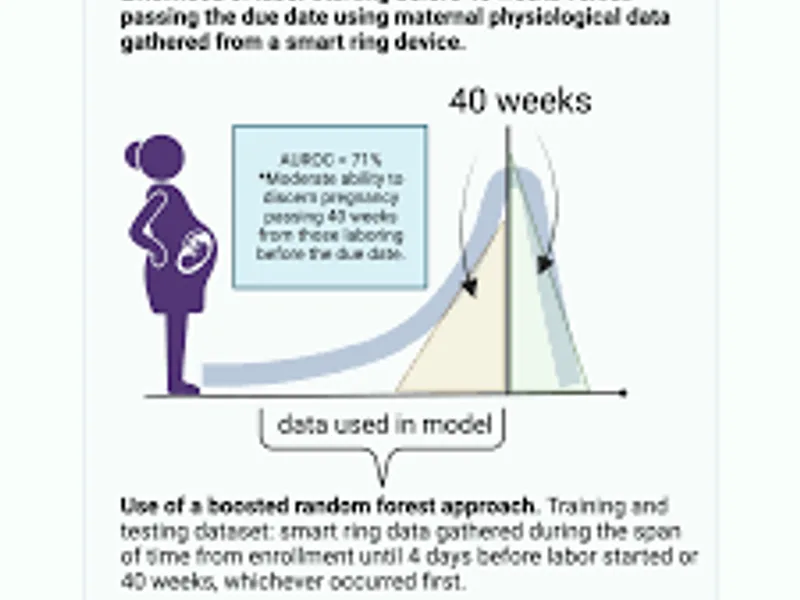
Going past your due date can feel like being stuck in a waiting room with no clock. This guide walks you through what actually happens during monitoring after due date pregnancy — the tests, the decisions, and the emotions nobody really prepares you for.
May 20, 2026
Going past your due date can feel like being stuck in a waiting room with no clock. This guide walks you through what actually happens during monitoring after due date pregnancy — the tests, the decisions, and the emotions nobody really prepares you for.
May 20, 2026
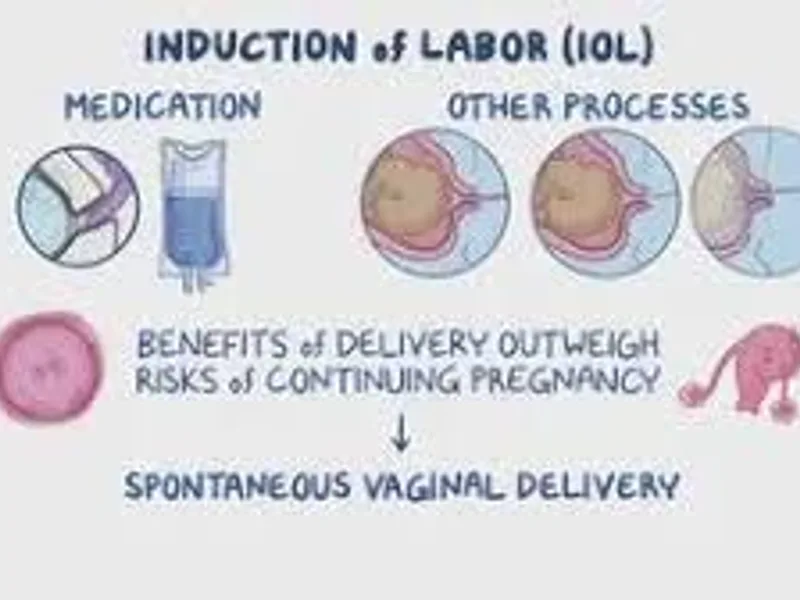
If you’re close to your due date and feeling stuck in waiting mode, this breaks down induction of labor methods in a way that actually makes sense. No jargon, no fluff—just what works, what doesn’t, and what it really feels like from a human perspective.
May 20, 2026