Pregnancy brings about incredible changes, and one of the most visible is the growing baby bump. While many imagine a perfectly round, singular bump, the reality is that pregnancy bellies come in all shapes and sizes. Some women may notice their bump appearing to have a division or a 'waistband' across the middle, resembling an uppercase letter 'B'. This is often referred to as a 'B belly'. If you've noticed this shape and wondered what it means, you're not alone. Let's explore what a B belly is, why it might occur, and what it signifies during your pregnancy journey.
What Exactly is a 'B Belly'?
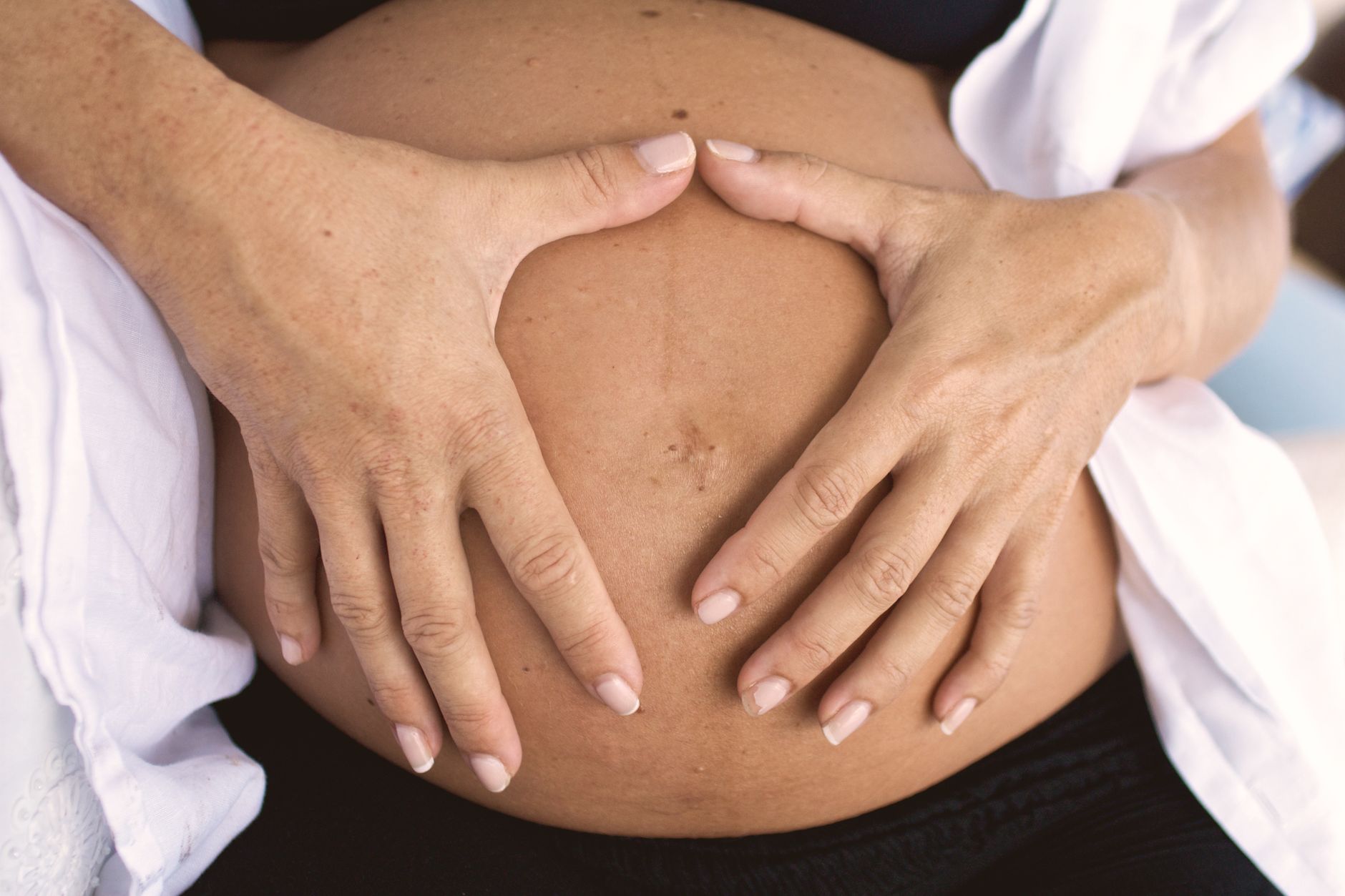
A 'B belly' during pregnancy is characterized by a shape that appears to have a horizontal crease or division, making it look like two separate bumps. The top part is usually the baby's head and amniotic fluid, while the bottom part is often the uterus, which is larger and fuller. It's important to understand that this shape is distinct from the more commonly pictured 'D belly', which is a single, rounded protrusion.
Imagine this: You're looking in the mirror at your growing bump, and instead of a smooth, uniform curve, you notice a dip or a band across the middle. It looks less like a single ball and more like two rounded mounds stacked on top of each other. This is the visual cue of a B belly. It's a perfectly natural variation in how pregnancy manifests for many women.
Factors Influencing Belly Shape
Several factors contribute to the unique shape of a pregnancy belly, and the B belly is no exception. It's not about one single cause but rather a combination of individual characteristics.
- Body Mass Index (BMI) and Pre-Pregnancy Weight: Women who enter pregnancy with a higher BMI, classified as overweight (BMI 25-29.9) or obese (BMI 30+), are more likely to develop a B belly. However, it's crucial to remember that this shape can occur in women of any body size. Where you carry extra weight plays a significant role. If you tend to carry weight around your abdomen, this can contribute to the appearance of a B belly.
- Fascial Health: Fascia are the connective tissues beneath your skin that provide structure and support. Factors like a sedentary lifestyle, dehydration, poor posture, an unbalanced diet, stress, and previous muscle injuries can affect fascial health. When the fascia are compromised, they may not provide the optimal support for your growing uterus, potentially influencing the belly's shape. Think of fascia like a supportive garment; when it's not in good condition, it can't hold things in the intended way.
- Previous Pregnancies: If you've had previous pregnancies, especially if they were close together, your abdominal muscles might be looser. This can affect how your uterus is supported and may contribute to a B belly shape in subsequent pregnancies. The body's ability to regain its pre-pregnancy tone can vary greatly from person to person.
- Body Shape and Structure: Every woman's body is unique. Factors like your height, bone structure, and where your body naturally stores fat all play a role in how you carry a pregnancy. Some body types are simply more predisposed to developing a B belly shape.
- Apron Belly: Women who have an 'apron belly' – where excess skin and fat hang down from the abdomen – before pregnancy are more prone to developing a B belly. This pre-existing abdominal shape can influence how the pregnancy bump presents itself.
Is a B Belly a Cause for Concern?
Generally, a B belly shape itself is not a medical concern for your doctor. It's a variation in how a pregnancy bump looks and doesn't typically indicate any problems with the baby's development or the pregnancy's health. Your healthcare provider will focus on the overall health of you and your baby, monitoring weight gain, blood pressure, and fetal growth, regardless of your belly's shape.
However, if your pre-pregnancy weight or BMI is a contributing factor to the B belly shape, your doctor may want to discuss weight management guidelines during pregnancy. For instance, the CDC recommends specific weight gain targets:
- Overweight (BMI 25-29.9): Aim for a total weight gain of 15 to 25 pounds.
- Obese (BMI 30+): Aim for a total weight gain of 11 to 20 pounds.
This weight gain is typically distributed as 2-4 pounds in the first trimester, followed by about half a pound per week for the remainder of the pregnancy. Adhering to these guidelines helps ensure a healthy pregnancy for both mother and baby.
Tips for Supporting Fascial Health During Pregnancy
While you can't completely change your natural body shape or underlying structure, you can take steps to support your fascial health, which may positively impact your comfort and potentially your belly's appearance:
- Stay Hydrated: Drinking plenty of water is essential for overall tissue health, including fascia.
- Regular Stretching: Gentle stretching can help maintain flexibility and improve connective tissue function. Consider prenatal yoga or specific pregnancy-safe stretches.
- Incorporate Gentle Exercise: Activities like walking, swimming, or prenatal fitness classes can improve circulation and muscle tone. Always consult your doctor before starting any new exercise program during pregnancy.
- Maintain Good Posture: Be mindful of your posture, especially as your belly grows. Support your back and avoid slouching.
- Balanced Diet: Nourishing your body with a balanced diet rich in vitamins and minerals supports overall tissue repair and health.
When to Consult Your Doctor
As mentioned, the B belly shape itself isn't usually a red flag. However, you should always discuss any concerns or changes you notice with your healthcare provider. It's particularly important to consult your doctor if:
- You experience sudden or significant changes in your belly shape.
- You have concerns about your weight gain during pregnancy.
- You notice any signs of preeclampsia, such as severe headaches, vision changes, sudden swelling, or upper abdominal pain.
- You have any other symptoms that worry you.
Your doctor is your best resource for personalized advice and to ensure a healthy pregnancy outcome.
A Note on Body Image and Pregnancy
Pregnancy is a time of immense physical transformation. It's natural for bodies to change, and bumps come in every imaginable shape. If you're experiencing a B belly, try to embrace the unique way your body is growing your baby. Focus on the incredible feat your body is accomplishing. If you find yourself struggling with body image during pregnancy, consider speaking with a therapist or joining a support group. Remember, a healthy pregnancy is the ultimate goal, not a specific belly shape.
Frequently Asked Questions (FAQ)
- Does a B belly mean I have twins?
No, a B belly does not indicate that you are carrying twins. It is a shape variation related to your body's structure and how it carries the pregnancy.
- Will my B belly go away after delivery?
For many women, the B belly shape gradually diminishes after delivery as the abdominal muscles regain tone and any excess weight is lost. However, the extent to which it changes can vary based on individual factors like muscle separation (diastasis recti) and weight loss.
- Is a B belly the same as an apron belly?
An apron belly refers to excess skin and fat hanging from the abdomen, often a result of significant weight loss or previous pregnancies. A B belly is a specific shape of the pregnancy bump itself. While an apron belly can contribute to a B belly appearance, they are not the same thing.
Your pregnancy journey is unique. Understanding the variations in how pregnancy manifests, like the B belly, can help ease concerns and allow you to focus on what truly matters: a healthy pregnancy and baby.