

Emergency & Help
24/7 Emergency & General Advisory
🚨 24/7 Medical Emergency
Non-Emergency Advisory
10:00 AM – 6:00 PM, Mon–Sat
For appointments & general queries.
24/7 Emergency & General Advisory
🚨 24/7 Medical Emergency
Non-Emergency Advisory
10:00 AM – 6:00 PM, Mon–Sat
For appointments & general queries.
Experiencing upper stomach pain during pregnancy? Learn about common causes like gas, heartburn, and constipation, as well as serious conditions like preeclampsia. Discover relief strategies and when to consult your doctor.

Pregnancy is a time of incredible change, and with it often comes a new set of physical sensations. One of the more common concerns for expectant mothers is upper stomach pain. It's completely natural to feel worried about any discomfort during this sensitive period. While many causes of upper stomach pain are harmless and related to the normal changes in your body, some can indicate a need for medical attention. This guide aims to help you understand the potential reasons behind this pain, offering practical advice for relief and clear guidance on when to contact your doctor. Common Culprits Behind Upper Abdominal Discomfort Your body is undergoing significant transformations to support your growing baby. Hormonal shifts, particularly the surge in progesterone, play a major role in many pregnancy-related discomforts. Progesterone relaxes smooth muscles throughout your body, including those in your digestive tract. This relaxation can lead to slower digestion, gas, and heartburn – all common causes of upper stomach pain. 1. Gas and Bloating Gas is a frequent visitor during pregnancy, often exacerbated by the hormone progesterone. This hormone slows down your digestive system, allowing more time for gas to build up. As your pregnancy progresses and your uterus expands, it can put additional pressure on your digestive organs, further contributing to sluggish digestion and bloating. You might notice this more towards the later stages of pregnancy. What you can do: Eat smaller, more frequent meals instead of three large ones. This can make digestion easier. Identify and avoid foods that tend to cause you gas. Common culprits include beans, broccoli, cabbage, and fatty or fried foods. Stay hydrated by drinking plenty of water throughout the day. Gentle exercise, like walking, can help stimulate your digestive system. 2. Heartburn (Acid Reflux) Heartburn is incredibly common in pregnancy, especially during the second and third trimesters. The same progesterone that relaxes your digestive muscles also relaxes the valve between your esophagus and stomach. This allows stomach acid to flow back up into your esophagus, causing that familiar burning sensation, often felt in the upper abdomen or chest. What you can do: Eat small meals and avoid lying down immediately after eating. Try to wait at least 2-3 hours before going to bed. Sit up straight while eating and for a while afterward. Avoid trigger foods like spicy, fatty, or acidic foods, chocolate, and caffeine. Your doctor might suggest over-the-counter antacids that are safe for pregnancy. Always consult your doctor before taking any medication. 3. Constipation Constipation is another widespread issue during pregnancy, affecting up to 75% of women at some point. Hormonal changes, iron supplements (often prescribed during pregnancy), a diet low in fiber, and not drinking enough fluids all contribute. The discomfort from constipation can sometimes be felt as a general ache or pressure in the upper abdomen. What you can do: Increase your intake of fiber-rich foods like fruits, vegetables, and whole grains. Drink plenty of water throughout the day. Engage in regular, moderate exercise. If these measures aren't enough, talk to your doctor about safe stool softeners or laxatives. Less Common but Serious Causes of Upper Stomach Pain While gas, heartburn, and constipation are usually the primary suspects, certain other conditions can cause upper stomach pain during pregnancy and require prompt medical attention. It's vital to be aware of these possibilities. 4. Preeclampsia Preeclampsia is a serious condition characterized by high blood pressure that develops after 20 weeks of pregnancy. One of its symptoms can be severe upper abdominal pain, often felt under the ribs on the right side. Other signs include swelling, sudden weight gain, severe headaches, vision changes, and nausea or vomiting. If you have risk factors like a history of high blood pressure, diabetes, obesity, or are over 35, your risk is slightly higher. Roughly 5% of pregnant individuals develop preeclampsia, so while not extremely common, it's a condition to be aware of. When to seek immediate medical help: If you experience severe upper abdominal pain, especially accompanied by any of the other symptoms listed above, contact your doctor or go to the nearest emergency room immediately. 5. Placental Abruption This is a rare but life-threatening condition where the placenta separates from the uterine wall before childbirth. It can cause sudden, severe abdominal pain, often accompanied by vaginal bleeding. While it affects about 1 in 100 women, any suspicion warrants urgent medical evaluation. When to seek immediate medical help: Any sharp or severe abdominal pain, particularly with bleeding, should be reported to your doctor right away. 6. Gallstones Pregnancy can increase the risk of gallstones due to hormonal changes and increased cholesterol in bile. Gallstone pain is often felt in the upper right abdomen and can be quite severe, sometimes radiating to the back or shoulder. It might occur after eating fatty meals. When to consult your doctor: If you experience sudden, severe pain in your upper right abdomen, especially after meals, discuss it with your doctor. 7. Liver Problems (e.g., HELLP Syndrome) HELLP syndrome (Hemolysis, Elevated Liver enzymes, and Low Platelet count) is a severe complication related to preeclampsia. It can cause upper abdominal pain, nausea, vomiting, and jaundice. This is a medical emergency. When to seek immediate medical help: If you experience severe upper abdominal pain, especially with nausea, vomiting, or yellowing of the skin and eyes, seek emergency medical care. When to Call Your Doctor About Upper Stomach Pain It's essential to listen to your body. While mild discomforts are often manageable at home, certain signs indicate that you need to consult a healthcare professional. Don't hesitate to reach out if you're unsure or concerned. Signs that warrant a call to your doctor: Pain that is severe, sudden, or persistent. Pain accompanied by fever, chills, or vomiting. Vaginal bleeding or spotting. Any signs of preeclampsia: severe headache, vision changes, sudden swelling, or upper right abdominal pain. Pain that feels like intense cramping, especially if it's regular and increasing in intensity before 37 weeks (potential preterm labor). Pain that is accompanied by any of the symptoms of HELLP syndrome or placental abruption. If you have a history of specific medical conditions and experience concerning symptoms. A Real-Life Scenario: Priya, 30 weeks pregnant, started experiencing a gnawing pain under her ribs after dinner. It felt different from the usual heartburn she'd been managing. She also noticed her ankles were more swollen than usual that day and had a mild headache. Remembering her doctor's advice, she decided to call the clinic immediately. Diagnosis and Treatment When you contact your doctor about upper stomach pain, they will likely ask detailed questions about your symptoms, medical history, and any risk factors. They may perform a physical examination and may recommend tests such as: Blood tests: To check for signs of infection, liver function, platelet count (for HELLP syndrome), and other indicators of preeclampsia. Urine tests: To check for protein in the urine, a sign of preeclampsia. Ultrasound: To assess the baby's well-being, check placental position, or examine organs like the gallbladder. Treatment will depend entirely on the underlying cause. For common issues like gas or heartburn, lifestyle changes and doctor-approved medications are usually sufficient. For more serious conditions like preeclampsia or HELLP syndrome, hospitalization and close monitoring are necessary, and delivery of the baby may be recommended to protect the health of both mother and child. Preventing and Managing Upper Abdominal Pain While not all causes of upper stomach pain can be prevented, proactive steps can help manage and reduce discomfort: Maintain a balanced diet: Focus on fiber-rich foods, lean proteins, and plenty of fruits and vegetables. Avoid excessive spicy, fatty, or processed foods. Stay hydrated: Drink water consistently throughout the day. Practice good posture: Sit up straight while eating and avoid slouching. Moderate exercise: Regular physical activity aids digestion and overall well-being. Manage stress: Since stress can impact digestion, find healthy ways to relax. Regular check-ups: Attend all your prenatal appointments so your doctor can monitor your health and address concerns early. Frequently Asked Questions (FAQ) Q1: Can upper stomach pain be a sign of miscarriage? Severe cramping or abdominal pain, especially in the first 20 weeks of pregnancy, can sometimes be a sign of miscarriage. If you experience intense pain, it's important to contact your doctor immediately. Q2: Is it normal to have sharp pains in the upper stomach during pregnancy? While dull aches are common, sharp pains should be evaluated. If the pain is severe, sudden, or persistent, it's best to consult your doctor to rule out serious conditions. Q3: Can my baby's movements cause upper stomach pain? Sometimes, a strong kick from your baby in the upper abdomen can cause a momentary sharp pain. However, if the pain is constant or severe, it's likely due to other reasons. Q4: What if I have a history of high blood pressure? If you have pre-existing high blood pressure or other risk factors for preeclampsia, you must be extra vigilant. Report any upper abdominal pain, headaches, vision changes, or swelling to your doctor promptly. Navigating pregnancy involves
In summary, timely diagnosis, evidence-based treatment, and prevention-focused care improve long-term health outcomes.
Visit Hospital
Near You
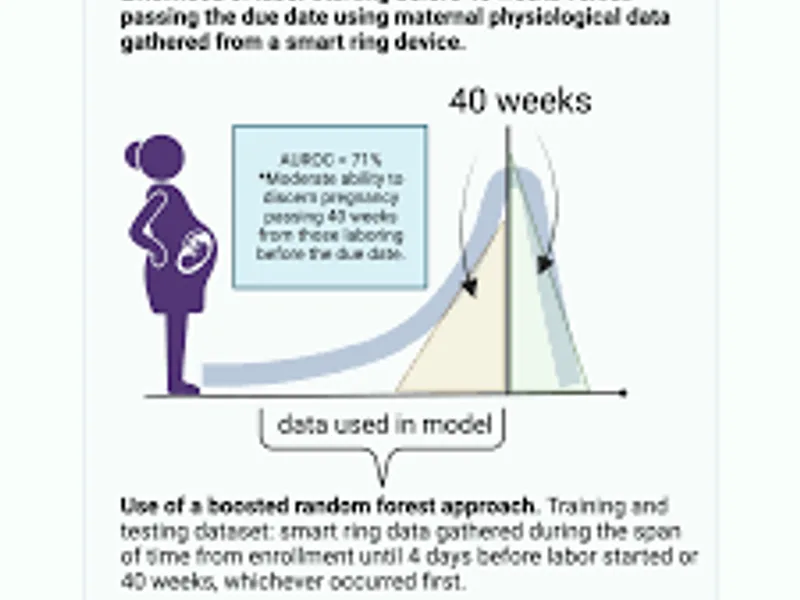
Going past your due date can feel like being stuck in a waiting room with no clock. This guide walks you through what actually happens during monitoring after due date pregnancy — the tests, the decisions, and the emotions nobody really prepares you for.
May 20, 2026
Going past your due date can feel like being stuck in a waiting room with no clock. This guide walks you through what actually happens during monitoring after due date pregnancy — the tests, the decisions, and the emotions nobody really prepares you for.
May 20, 2026
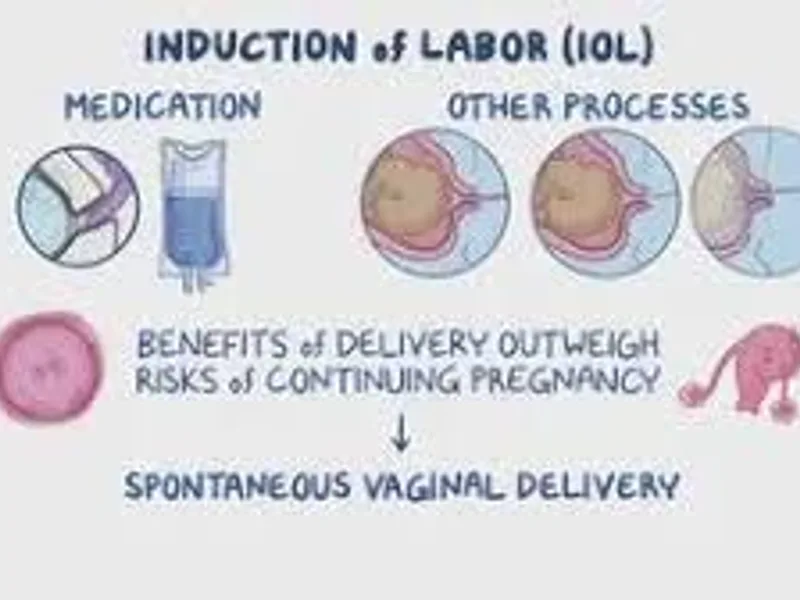
If you’re close to your due date and feeling stuck in waiting mode, this breaks down induction of labor methods in a way that actually makes sense. No jargon, no fluff—just what works, what doesn’t, and what it really feels like from a human perspective.
May 20, 2026