

Emergency & Help
24/7 Emergency & General Advisory
🚨 24/7 Medical Emergency
Non-Emergency Advisory
10:00 AM – 6:00 PM, Mon–Sat
For appointments & general queries.
24/7 Emergency & General Advisory
🚨 24/7 Medical Emergency
Non-Emergency Advisory
10:00 AM – 6:00 PM, Mon–Sat
For appointments & general queries.
Discover the factors influencing your chances of getting pregnant, including age, medical conditions, lifestyle, and key steps for conception. Get practical tips and understand when to seek medical advice.

Thinking about starting a family or perhaps trying to avoid pregnancy? Navigating the journey to conception can feel like a maze of information, statistics, and personal experiences. It's natural to wonder, "How hard is it, really, to get pregnant?" The truth is, while millions of babies are born each year, the path to pregnancy involves a complex interplay of biological factors, lifestyle choices, and sometimes, a bit of luck. This guide aims to demystify the process for you, offering clear, practical insights tailored for our readers in India. Let's start with a common scenario: You and your partner have decided it's the right time to try for a baby. You're tracking ovulation, timing intercourse, and you feel optimistic. Weeks turn into months, and the positive pregnancy test you hoped for hasn't appeared. This can be incredibly disheartening. It’s important to remember you are not alone in this experience, and many factors influence conception beyond just trying. The Biological Clock: Age and Fertility Age plays a significant role in fertility for both women and men, though it impacts women more directly and predictably. For women, fertility naturally peaks in their early to mid-20s and begins a gradual decline in their early 30s. By the time a woman reaches her late 30s and early 40s, her chances of conceiving each month decrease significantly. For women in their early 20s to early 30s: You have about a 1 in 4 chance of becoming pregnant each month. As women age past 30: The likelihood of conception starts to decrease. By age 40, the monthly chance of pregnancy can drop to about 1 in 10. By age 45, natural conception becomes highly unlikely without medical assistance. This decline is primarily due to the decreasing number and quality of eggs a woman has as she ages. The eggs may have a higher chance of chromosomal abnormalities, which can affect fertilization and implantation. For men: Men's fertility also declines with age, but it's a less predictable process than in women. Men produce sperm throughout their lives. However, the quality of sperm, including its motility and morphology (shape), can decrease over time. While men in their 60s and even 70s can father children, there might be an increased risk of genetic defects in sperm from older fathers. Issues with libido or ejaculation can also occur at any age. Key Steps for Conception For pregnancy to occur, several critical steps must align perfectly: Timing is Everything: Intercourse or insemination must occur around the time of ovulation. Ovulation is when a mature egg is released from the ovary, typically once per menstrual cycle. Fertilization: A sperm must successfully fertilize a healthy egg. Both the sperm and the egg should have good genetic material for a viable embryo. Implantation: The fertilized egg (embryo) must travel to the uterus and successfully implant in the uterine lining. This is a vital step for pregnancy to continue. Healthy Development and Delivery: The embryo must develop into a fetus and grow to a healthy weight, followed by a successful delivery. Each of these steps involves biological processes that can be influenced by various health factors. Factors Influencing Fertility Beyond age, numerous other elements affect your ability to conceive and carry a pregnancy to term: Medical Conditions Certain health conditions can significantly impact fertility. For women, conditions like Polycystic Ovary Syndrome (PCOS) are a major factor. PCOS affects hormone levels and can disrupt ovulation, making it difficult to conceive. Studies show that 70-80% of women with PCOS experience fertility issues. They also face higher risks of premature delivery, miscarriage, high blood pressure, and gestational diabetes. Other conditions that can affect fertility include: Endometriosis Thyroid disorders Uterine fibroids or polyps Pelvic inflammatory disease (PID) Certain sexually transmitted infections (STIs) Certain chronic illnesses like diabetes or kidney disease For men, conditions affecting sperm production, sperm transport, or sexual function can impact fertility. This includes varicocele (enlarged veins in the scrotum), infections, hormonal imbalances, and erectile dysfunction. Lifestyle Choices What you eat, how active you are, and your daily habits can all play a role in fertility. Weight Management: Being significantly overweight or underweight can disrupt hormone production and ovulation. Maintaining a healthy weight is particularly important for women with PCOS, as weight loss has been shown to help restore regular ovulation. Nutrition: A balanced diet rich in essential nutrients supports reproductive health for both men and women. Deficiencies in certain vitamins and minerals can affect sperm quality and egg health. Exercise: Regular, moderate exercise is beneficial. However, excessive or extreme exercise can sometimes negatively impact fertility by disrupting ovulation or sperm production. Smoking and Alcohol: Smoking is detrimental to fertility in both men and women, damaging eggs and sperm and increasing miscarriage risk. Excessive alcohol consumption can also impair fertility. Stress: Chronic high stress levels can interfere with hormones that regulate reproduction. Finding healthy ways to manage stress is beneficial. Environmental Factors: Exposure to certain toxins, chemicals, and even excessive heat (for men) can affect sperm quality. Medications Some medications can interfere with fertility. If you are trying to conceive, discuss all medications you are taking, including over-the-counter drugs and supplements, with your doctor. They can advise on potential impacts and alternatives. When to Seek Medical Advice The decision to seek professional help for fertility concerns depends on several factors, primarily age and duration of trying. For women under 35 If you have been having regular, unprotected intercourse for one year without conceiving, it's advisable to consult a doctor or fertility specialist. For women 35 and older Given the natural decline in fertility with age, it's recommended to seek medical advice after six months of trying without success. General Advice You should also consult a doctor sooner if you: Have a known medical condition that affects fertility (like PCOS, endometriosis, or previous pelvic surgery). Have irregular or absent menstrual cycles. Have a history of recurrent miscarriages. Have concerns about your partner's fertility. A doctor can perform tests to assess ovulation, sperm health, and reproductive anatomy to identify potential issues and discuss treatment options. A Real-Life Scenario Consider Priya, a 32-year-old graphic designer from Delhi, who has been trying to conceive with her husband, Rohan, for 10 months. They've been having intercourse regularly, tracking her cycle, but no pregnancy has occurred. Priya starts to feel anxious, comparing her journey to friends who conceived easily. She decides it's time to speak with her gynecologist to understand if there are any underlying issues she should be aware of. Pregnancy Statistics in India While specific national statistics for conception difficulty can vary, India, like many countries, sees a wide range of experiences. The overall birth rate indicates that conception is achievable for a vast majority. However, the increasing prevalence of lifestyle diseases and delayed parenthood means that fertility challenges are becoming more common. It's estimated that around 10-15% of couples in India face infertility issues. This underscores the importance of understanding fertility factors and seeking timely medical advice when needed. Tips for Enhancing Fertility While you can't control all factors, you can take steps to optimize your reproductive health: Maintain a Healthy Weight: Aim for a Body Mass Index (BMI) within the healthy range (typically 18.5-24.9). Eat a Balanced Diet: Focus on whole foods, fruits, vegetables, lean proteins, and healthy fats. Ensure adequate intake of folic acid, iron, and other essential vitamins and minerals. Time Intercourse Wisely: Understand your ovulation cycle. The most fertile window is typically the 5 days leading up to ovulation and the day of ovulation itself. Avoid Smoking and Limit Alcohol: Quitting smoking is one of the best things you can do for your fertility and overall health. Moderate alcohol intake is generally advised. Manage Stress: Incorporate stress-reducing activities like yoga, meditation, deep breathing exercises, or spending time in nature. Get Regular Check-ups: Ensure your general health is optimal and discuss any concerns with your doctor. Consider Preconception Counselling: This can help identify potential risks and prepare your body for pregnancy. Frequently Asked Questions (FAQ) Q1: Can stress really affect my ability to get pregnant? Yes, chronic high stress can disrupt the hormonal balance necessary for ovulation and conception. Finding effective stress management techniques is beneficial for overall reproductive health. Q2: How long does it take for sperm to regenerate? Sperm production is a continuous process, with new sperm cells being generated daily. However, it takes about 74 days for sperm to mature from creation to ejaculation. While daily ejaculation won't deplete sperm count, very frequent ejaculation might temporarily reduce the concentration of sperm in semen. Q3: What is the best time of day for intercourse to conceive? The timing of intercourse relative to ovulation is far more important than the time of day. However, some studies suggest that male sperm count may be higher in the morning, but the difference is usually not significant enough to make a major impact on conception rates. Q4: Can I get pregnant if I have irregular periods? It can be more challenging to predict ovulation with irregular periods, making it harder
In summary, timely diagnosis, evidence-based treatment, and prevention-focused care improve long-term health outcomes.
Visit Hospital
Near You
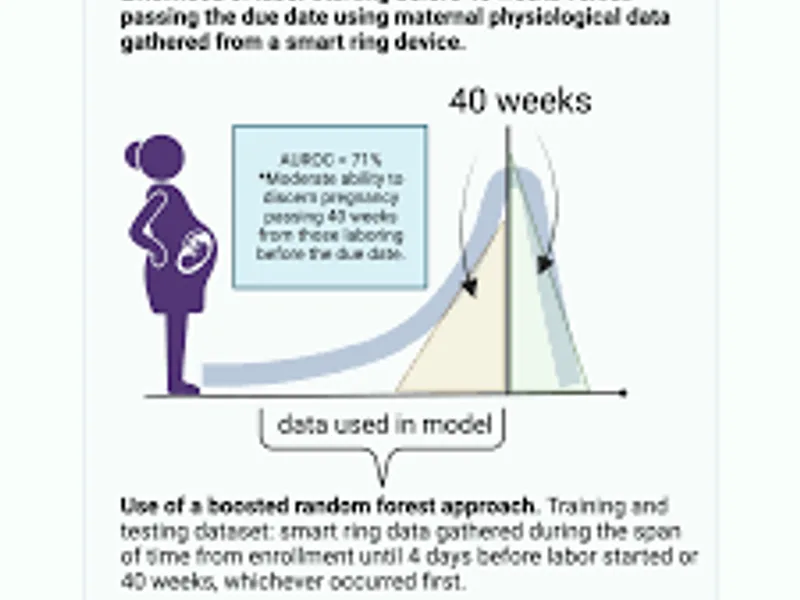
Going past your due date can feel like being stuck in a waiting room with no clock. This guide walks you through what actually happens during monitoring after due date pregnancy — the tests, the decisions, and the emotions nobody really prepares you for.
May 20, 2026
Going past your due date can feel like being stuck in a waiting room with no clock. This guide walks you through what actually happens during monitoring after due date pregnancy — the tests, the decisions, and the emotions nobody really prepares you for.
May 20, 2026
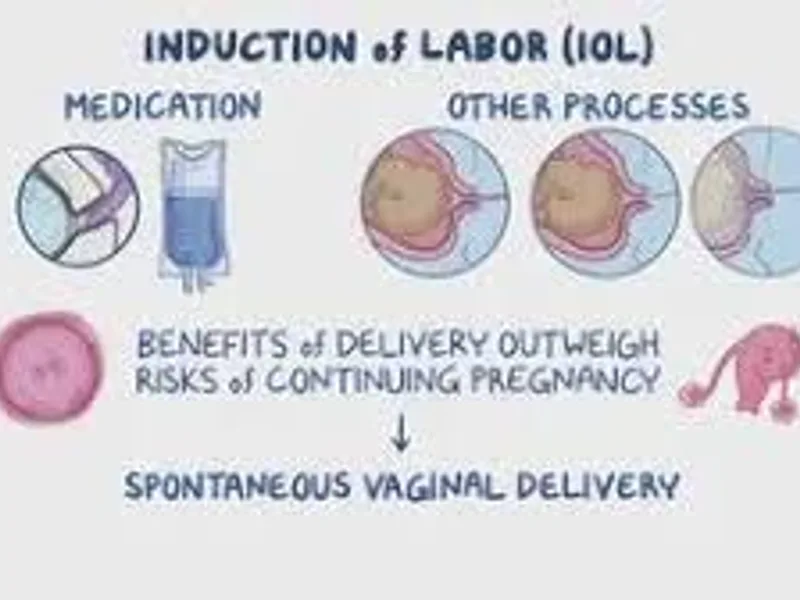
If you’re close to your due date and feeling stuck in waiting mode, this breaks down induction of labor methods in a way that actually makes sense. No jargon, no fluff—just what works, what doesn’t, and what it really feels like from a human perspective.
May 20, 2026