

Emergency & Help
24/7 Emergency & General Advisory
🚨 24/7 Medical Emergency
Non-Emergency Advisory
10:00 AM – 6:00 PM, Mon–Sat
For appointments & general queries.
24/7 Emergency & General Advisory
🚨 24/7 Medical Emergency
Non-Emergency Advisory
10:00 AM – 6:00 PM, Mon–Sat
For appointments & general queries.
Discover the incredible benefits of breastfeeding for both mothers and babies, from optimal nutrition and immune support to faster postpartum recovery and lasting health advantages. Learn practical tips and when to seek professional help.
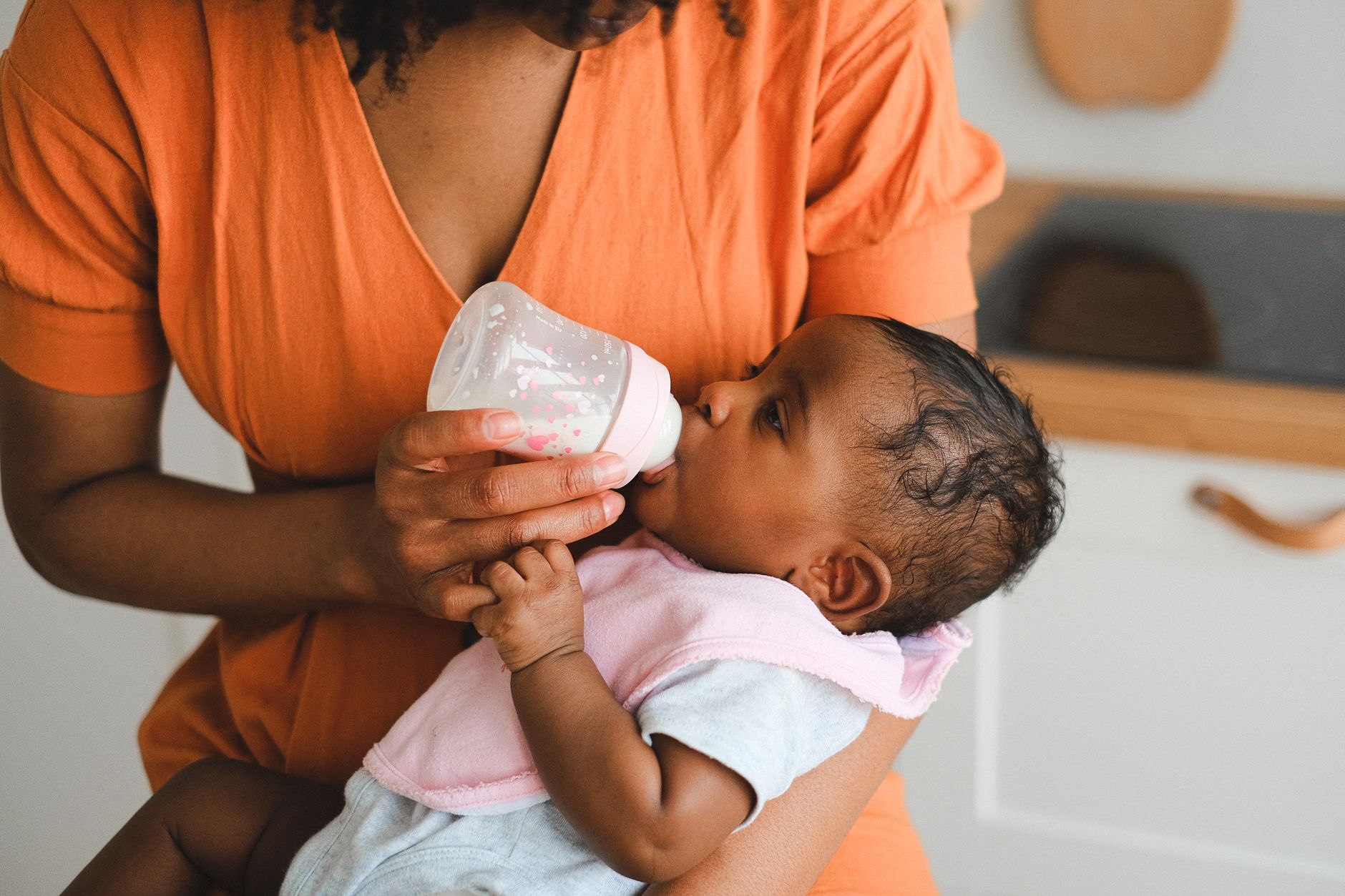
As a new parent, you're navigating a world of decisions, and one of the most significant is how to nourish your precious little one. Breastfeeding often comes up, and for good reason! It’s a natural, beautiful way to bond with your baby while providing them with unparalleled nutrition and protection. While the journey can have its challenges, understanding the profound benefits can empower your choices. This guide explores the science-backed advantages of breastfeeding for both you, the mother, and your developing baby, offering practical insights for your parenting path.
From the very first hour after birth, your body begins producing a liquid gold – colostrum. This thick, yellowish fluid is packed with concentrated nutrients and antibodies, acting as your baby’s first and most vital immunization. It’s perfectly tailored to your newborn’s needs, easily digestible, and sets the stage for a healthy start.
Breast milk isn't just food; it's a dynamic, living fluid. It contains the ideal balance of proteins, fats, and carbohydrates your baby needs to grow and thrive. Unlike formula, the composition of breast milk changes over time, adapting to your baby’s specific needs at different stages of development. This ensures your little one receives exactly what they require for healthy growth, brain development, and overall well-being.
One of the most remarkable benefits of breast milk is its rich antibody content. These antibodies, especially Immunoglobulin A (IgA), form a protective barrier in your baby's digestive tract, nose, and throat, shielding them from harmful bacteria and viruses. Studies show that exclusively breastfed babies often experience fewer ear infections, respiratory illnesses, and gastrointestinal issues. Imagine your baby sleeping soundly, less prone to those common infant sniffles – that’s the power of breastfeeding!
The benefits extend far beyond infancy. Breastfeeding is linked to a reduced risk of developing serious health conditions later in life. This includes a lower likelihood of:
This protective effect is particularly strong with exclusive breastfeeding for the first six months.
Research suggests a correlation between breastfeeding and enhanced cognitive development in children. The fatty acids and other nutrients in breast milk play a vital role in brain maturation, potentially leading to higher IQ scores and improved learning abilities as they grow.
Breastfeeding isn't just a one-way street of benefits; it profoundly impacts the mother's health and well-being too. It’s a powerful act of self-care that supports your recovery and long-term health.
The hormone oxytocin, released during breastfeeding, helps your uterus contract back to its pre-pregnancy size more quickly, reducing postpartum bleeding. This natural process aids your physical recovery, helping you feel more like yourself sooner.
Women who breastfeed may experience a reduced risk of developing certain cancers, including breast and ovarian cancers. The longer you breastfeed, the greater this protective effect appears to be.
Breastfeeding burns extra calories, which can help mothers gradually return to their pre-pregnancy weight. While it's not a magic bullet, the increased metabolic rate can be a helpful component of postpartum weight management.
The skin-to-skin contact and release of hormones like oxytocin during breastfeeding create a powerful emotional bond between mother and baby. This intimate connection can reduce stress, promote feelings of calmness, and enhance overall maternal well-being.
When practiced correctly and exclusively, breastfeeding can act as a natural form of birth control for the first six months postpartum. This method, known as LAM, relies on hormonal changes that suppress ovulation. However, it's essential to understand the strict criteria for LAM to be effective.
While the benefits are clear, breastfeeding can sometimes feel overwhelming. Here are some practical tips to support you:
Connect with a lactation consultant or a breastfeeding support group as soon as possible after birth. Early guidance can address potential issues before they become major problems.
A proper latch is key to effective milk transfer and preventing nipple pain. Your baby’s mouth should be wide open, covering a good portion of your areola, not just the nipple.
Drink plenty of water throughout the day and eat a balanced diet. Your body needs extra calories and fluids to produce milk.
Pay attention to your baby’s hunger cues – rooting, sucking motions, bringing hands to their mouth. Feed on demand, especially in the early weeks.
Whether it’s your partner, family, or a healthcare professional, lean on your support system. Parenting is a team effort, and breastfeeding is no exception.
While breastfeeding is natural, seeking professional help is sometimes necessary. Consult your doctor or a lactation consultant if you experience:
The World Health Organization (WHO) and the American Academy of Pediatrics (AAP) recommend exclusive breastfeeding for the first six months of life. They also suggest continuing breastfeeding, along with introducing complementary foods, for up to two years or beyond, as long as both mother and baby desire.
For the first six months, breast milk provides all the necessary nutrition for most babies. However, babies typically need a Vitamin D supplement, as it's not adequately present in breast milk. After six months, you'll start introducing solid foods alongside breast milk.
In most cases, yes! Many mothers with chronic conditions can safely breastfeed. It’s essential to discuss your specific condition and any medications you take with your doctor to ensure safety for both you and your baby.
Disclaimer: This information is intended for general knowledge and informational purposes only, and does not constitute medical advice. It is essential to consult with a qualified healthcare professional for any health concerns or before making any decisions related to your health or treatment.
Visit Hospital
Near You

Going past your due date can feel like being stuck in a waiting room with no clock. This guide walks you through what actually happens during monitoring after due date pregnancy — the tests, the decisions, and the emotions nobody really prepares you for.
May 20, 2026
Going past your due date can feel like being stuck in a waiting room with no clock. This guide walks you through what actually happens during monitoring after due date pregnancy — the tests, the decisions, and the emotions nobody really prepares you for.
May 20, 2026

If you’re close to your due date and feeling stuck in waiting mode, this breaks down induction of labor methods in a way that actually makes sense. No jargon, no fluff—just what works, what doesn’t, and what it really feels like from a human perspective.
May 20, 2026