

Emergency & Help
24/7 Emergency & General Advisory
🚨 24/7 Medical Emergency
Non-Emergency Advisory
10:00 AM – 6:00 PM, Mon–Sat
For appointments & general queries.
24/7 Emergency & General Advisory
🚨 24/7 Medical Emergency
Non-Emergency Advisory
10:00 AM – 6:00 PM, Mon–Sat
For appointments & general queries.
Explore the risks of vaping during pregnancy, including the dangers of nicotine, harmful chemicals, and flavored e-liquids. Learn why it's crucial to quit for a healthy baby.
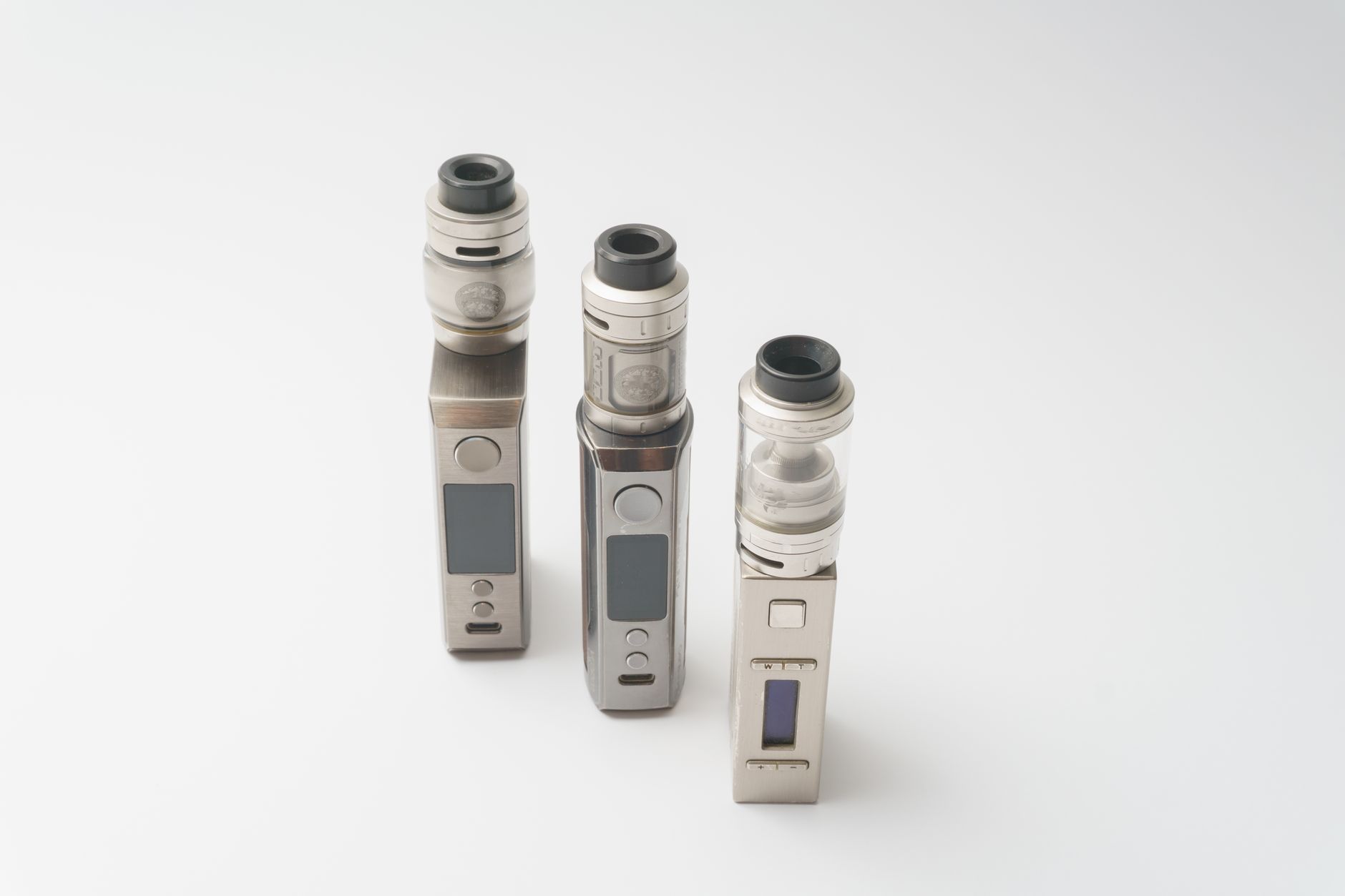
Pregnancy is a time of immense change and responsibility, where every decision impacts not only the mother but also the developing baby. While many women are aware of the dangers of smoking traditional cigarettes during pregnancy, the perception of vaping as a safer alternative is a growing concern. This article aims to provide clear, practical information for Indian readers about the risks associated with vaping while pregnant, drawing on current research and expert advice.
Vaping involves inhaling aerosol from an electronic cigarette (e-cigarette) or similar device. These devices heat a liquid, often containing nicotine, flavorings, and other chemicals, turning it into a vapor that is then inhaled. While often marketed as a less harmful option than traditional cigarettes, scientific evidence suggests that vaping carries significant risks, especially for pregnant women and their developing babies.
Nicotine is a highly addictive substance found in most vaping liquids, even those marketed as nicotine-free. During pregnancy, nicotine can easily cross the placental barrier and reach the fetus. This exposure can have serious consequences for fetal development:
Vaping liquids are complex mixtures that contain more than just nicotine. Many contain flavorings, preservatives, and other chemicals that can be harmful:
There is a common misconception that vaping is significantly safer than smoking traditional cigarettes. While e-cigarettes do not contain tobacco, they still deliver nicotine and other potentially harmful chemicals. The lack of strict regulation for e-cigarettes compared to traditional tobacco products further adds to the uncertainty and potential risks.
When compared to Nicotine Replacement Therapy (NRT) like patches or gum, research suggests that vaping might be more effective for some individuals in abstaining from smoking traditional cigarettes. However, the American College of Obstetricians and Gynecologists (ACOG) advises avoiding all nicotine-containing products, including NRT and e-cigarettes, during pregnancy if possible. The risks associated with vaping and NRT during pregnancy are considered similar in terms of potential harm to the fetus.
Recent studies have highlighted specific concerns regarding flavored vaping fluids. One 2023 study in the United States found that mint and menthol-flavored e-cigarette fluids were associated with a higher risk of pregnancy loss, including miscarriage and stillbirth. This underscores the importance of avoiding all forms of vaping, regardless of the flavor.
Vaping cannabis extracts like THC (tetrahydrocannabinol) and CBD (cannabidiol) during pregnancy is also not recommended. The effects of these substances on fetal development are not well understood, but they carry their own set of risks and should be avoided.
Quitting vaping, like smoking, can be challenging, but it is one of the most important steps you can take for a healthy pregnancy. If you are struggling to quit, please reach out for support:
The evidence is clear: vaping during pregnancy is not safe. While research is ongoing, the known risks associated with nicotine and other chemicals in vape liquids pose significant threats to the developing baby. The perception of vaping as a harmless alternative to smoking is a dangerous myth. For the health and well-being of both mother and child, it is crucial to avoid vaping altogether during pregnancy. If you are currently vaping, please seek professional help to quit as soon as possible. Your commitment to a smoke-free and vape-free pregnancy is a vital investment in your baby's future health.
Visit Hospital
Near You

Going past your due date can feel like being stuck in a waiting room with no clock. This guide walks you through what actually happens during monitoring after due date pregnancy — the tests, the decisions, and the emotions nobody really prepares you for.
May 20, 2026
Going past your due date can feel like being stuck in a waiting room with no clock. This guide walks you through what actually happens during monitoring after due date pregnancy — the tests, the decisions, and the emotions nobody really prepares you for.
May 20, 2026

If you’re close to your due date and feeling stuck in waiting mode, this breaks down induction of labor methods in a way that actually makes sense. No jargon, no fluff—just what works, what doesn’t, and what it really feels like from a human perspective.
May 20, 2026