

Emergency & Help
24/7 Emergency & General Advisory
🚨 24/7 Medical Emergency
Non-Emergency Advisory
10:00 AM – 6:00 PM, Mon–Sat
For appointments & general queries.
24/7 Emergency & General Advisory
🚨 24/7 Medical Emergency
Non-Emergency Advisory
10:00 AM – 6:00 PM, Mon–Sat
For appointments & general queries.
Learn why pooping during childbirth is common, normal, and what your healthcare team does to manage it. Understand the physical realities of labor and delivery.
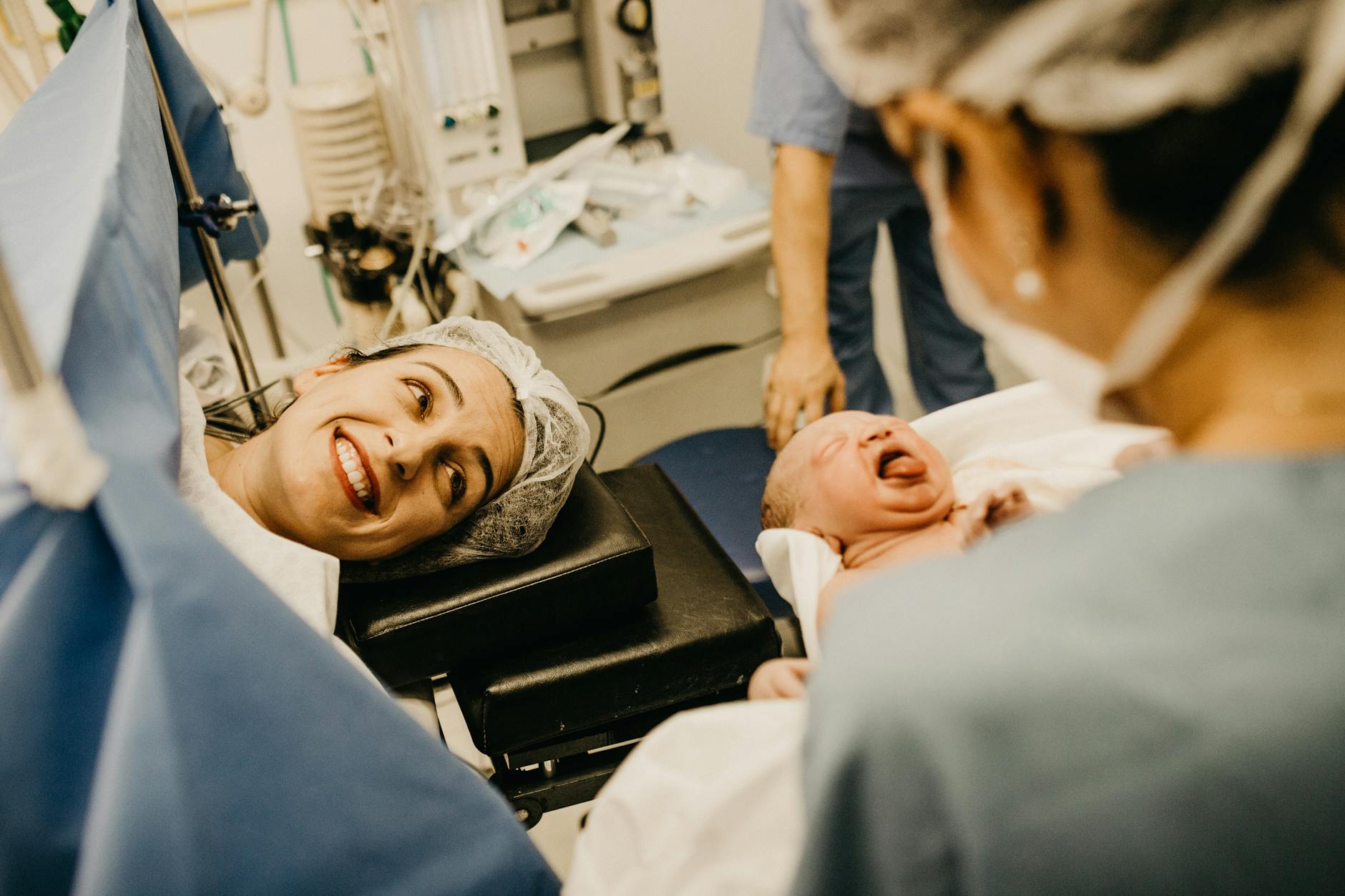
Giving birth is a profound and transformative experience. While it's a time of immense joy and anticipation, it's also natural to have questions about the physical realities of labor and delivery. One topic that often comes up, sometimes with a mix of embarrassment and curiosity, is whether people poop during childbirth. The short answer is: yes, it's quite common, and it's perfectly normal. Let's explore why this happens and what you can do to feel more at ease.
Childbirth involves a series of intense physical processes. Your body is working incredibly hard to bring a new life into the world, and this can lead to various bodily functions that might seem less than glamorous. Here are the main reasons why a bowel movement might happen during labor:
Pregnancy and labor are driven by a symphony of hormones. Prostaglandins, for instance, play a key role in softening and opening the cervix. However, these same hormones can also stimulate your bowels, leading to looser stools or an urge to defecate. It's your body's way of preparing for the immense effort ahead.
As your baby descends into the pelvis, they exert significant pressure on your rectum and pelvic floor. This pressure can mimic the sensation of needing to have a bowel movement, even if your bowels are already empty. Imagine someone pressing firmly on your abdomen; it's a similar feeling, but much more intense.
Consider this scenario: Priya is in active labor, feeling intense contractions. She suddenly feels an overwhelming urge to push, and it feels very similar to the urge she gets when she needs to poop. Her midwife reassures her that this is normal due to the baby’s position and the pressure it's exerting.
During the pushing stage of labor, your healthcare providers might instruct you to push in ways that engage the same muscles used for a bowel movement – your abdominal and pelvic floor muscles. This is because these muscles are incredibly powerful and essential for helping the baby descend. When you push with that kind of force, it's natural for any remaining stool in your rectum to be expelled.
Even if you have a bowel movement shortly before labor begins, it's possible for some stool to remain in the lower part of your colon. The intense pressure and pushing during labor can naturally move this stool out.
Yes, pooping during labor can happen regardless of the type of birth you have. It can occur during:
An epidural, while it can reduce the sensation of labor, doesn't prevent this from happening. You might simply not feel it if you have an epidural.
In the past, enemas were sometimes administered before labor to empty the bowels. However, modern medical practice generally doesn't recommend routine enemas during labor. Studies have shown that they don't significantly reduce the risk of infection or perineal tearing, and they offer no other substantial medical benefits. In fact, attempting to empty your bowels forcefully might even be counterproductive.
The focus during labor and delivery is on the safe and healthy arrival of your baby. While the possibility of pooping might cause some anxiety, it's important to remember that your medical team is prepared for this and it is a very common occurrence.
Your doctors, nurses, and midwives are highly experienced and understand that this is a normal part of childbirth. They are trained to handle it discreetly and professionally. They will typically clean you up quickly and without comment, allowing you to focus on your delivery.
While you can't entirely prevent it, here are some ways to manage any anxiety you might have:
While pooping during labor is normal, you should always consult your doctor or midwife about any concerns regarding your pregnancy, labor, or delivery. This includes discussing any unusual bowel changes, severe constipation, or diarrhea that occurs before labor begins.
It's natural to feel a bit embarrassed, but remember that your medical team is accustomed to this. It's a sign your body is working as it should. Focus on the incredible task you're accomplishing!
You might feel it, especially if you haven't had an epidural. However, the intense sensations of labor and pushing can often overshadow this. If you have an epidural, you may not feel it at all.
Not at all! It actually means you are engaging the correct muscles effectively. Your pushing is likely strong and productive.
Childbirth is a powerful journey. Understanding the common physical aspects, like the possibility of pooping during labor, can help demystify the process and empower you to embrace the experience with greater confidence. Your body is capable of amazing things, and this is just one small, natural part of bringing new life into the world.
Most people do not notice early warning signs right away. That is common. A simple symptom diary, basic routine checks, and timely follow-up visits can prevent small problems from becoming serious.
If you are already on treatment, stay consistent with medicines and lifestyle advice. If your symptoms change, do not guess. Check with a qualified doctor and update your plan early.
Write down symptoms, triggers, and timing for a few days.
Carry old prescriptions and test reports to your consultation.
Ask clearly about side effects, red-flag signs, and follow-up dates.
Seek urgent care for severe pain, breathing trouble, bleeding, fainting, or sudden worsening.
Visit Hospital
Near You

Going past your due date can feel like being stuck in a waiting room with no clock. This guide walks you through what actually happens during monitoring after due date pregnancy — the tests, the decisions, and the emotions nobody really prepares you for.
May 20, 2026
Going past your due date can feel like being stuck in a waiting room with no clock. This guide walks you through what actually happens during monitoring after due date pregnancy — the tests, the decisions, and the emotions nobody really prepares you for.
May 20, 2026

If you’re close to your due date and feeling stuck in waiting mode, this breaks down induction of labor methods in a way that actually makes sense. No jargon, no fluff—just what works, what doesn’t, and what it really feels like from a human perspective.
May 20, 2026