

Emergency & Help
24/7 Emergency & General Advisory
🚨 24/7 Medical Emergency
Non-Emergency Advisory
10:00 AM – 6:00 PM, Mon–Sat
For appointments & general queries.
24/7 Emergency & General Advisory
🚨 24/7 Medical Emergency
Non-Emergency Advisory
10:00 AM – 6:00 PM, Mon–Sat
For appointments & general queries.
Understand the real physical and emotional changes your body goes through in the postpartum period. Learn what to expect and how to navigate recovery with realistic advice.

The journey of bringing a new life into the world is incredible, but it often comes with a whirlwind of physical changes that can leave new mothers feeling surprised, confused, or even disheartened. Forget the glossy magazine covers and celebrity snapshots showing impossibly flat post-baby tummies just weeks after delivery – reality is far more nuanced and, importantly, completely normal. Your body has just accomplished something monumental, and it deserves time, patience, and a whole lot of kindness as it begins its recovery. This guide aims to provide a realistic, empathetic look at what your body experiences in the postpartum period, from the immediate hours after birth through the first year. We’ll cover the physical transformations, the emotional impact, and practical advice to help you navigate this unique phase with confidence.
Right after delivery, whether it was a vaginal birth or a C-section, you will likely still look pregnant. This is completely normal and can last for the first couple of weeks. Your uterus, which has expanded dramatically to house your baby, needs time to shrink back to its pre-pregnancy size. This process, called involution, begins almost immediately with uterine contractions. These contractions, while sometimes uncomfortable, are essential for your uterus to return to its normal size, a process that typically takes about six weeks. You might also experience swelling, particularly if you received IV fluids during labor or had a C-section. Gentle movement is encouraged to help prevent blood clots, but it’s crucial to avoid overexertion. Think of it as your body’s cue to rest. Avoid lifting anything heavier than your baby, reaching for high shelves, or doing strenuous chores like vacuuming or laundry. Some gentle pelvic floor exercises might be beneficial, but always get your healthcare provider’s approval first.
Expect to lose about 10 pounds immediately after birth, primarily due to the loss of the baby, placenta, and amniotic fluid. More weight will be shed as your body reduces fluid retention. However, it’s vital to understand that trying to lose significant pregnancy weight too quickly is not advisable. The Office on Women’s Health suggests that gradual weight loss over several months is the safest approach, especially if you are breastfeeding. Remember, your body requires more calories when you are nursing than when you were pregnant, so restrictive dieting is counterproductive and potentially harmful during this recovery period.
Let’s be clear: achieving a flat stomach within six weeks postpartum is not the norm for most women. Your body is still healing and adapting. Your OB-GYN will likely give you the green light to resume exercising around the six-week mark, provided your recovery is progressing well. When you do start exercising, ramp up slowly and mindfully. This period, between six weeks and three months postpartum, is when you begin to reintroduce physical activity. However, it’s essential to protect your ligaments and joints. The hormone relaxin, which was present during pregnancy to soften joints and allow your pelvis to widen, can still be circulating, leaving them more vulnerable. Listen to your body; pushing too hard too soon can lead to injury or excessive bleeding.
Imagine Sarah, a new mother who was quite active before pregnancy. She’s now eight weeks postpartum and eager to get back to her regular running routine. She tries a short jog and feels a sharp pain in her lower back. Her doctor later explains that her ligaments are still looser than usual due to pregnancy hormones, and she needs to gradually reintroduce exercise, focusing on core strengthening and pelvic floor exercises first, rather than jumping straight into high-impact activities.
As you move past the three-month mark, your body continues its journey of recovery and adaptation. This phase is often characterized by a slow and steady return to pre-pregnancy activities and a gradual reshaping of your body. It’s important to continue listening to your body and not compare your progress to others. Every woman’s postpartum experience is unique, influenced by genetics, the specifics of the birth (vaginal vs. C-section, any complications), and your overall health.
Adequate nutrition is paramount during this time. If you are breastfeeding, your caloric needs are higher than during pregnancy. Focus on whole, nutrient-dense foods that support healing and energy levels. This includes lean proteins, healthy fats, plenty of fruits and vegetables, and whole grains. Staying hydrated is also incredibly important, especially if you are nursing.
The physical changes are only one part of the postpartum puzzle. The hormonal shifts, sleep deprivation, and the immense responsibility of caring for a newborn can significantly impact your mental and emotional state. It’s okay to feel overwhelmed, anxious, or sad. If these feelings persist or intensify, seeking support from your partner, family, friends, or a mental health professional is a sign of strength, not weakness. Postpartum depression and anxiety are real conditions that require professional attention.
By the time you reach your baby’s first birthday, your body will have undergone significant changes. While you may not entirely return to your pre-pregnancy physique, you will likely find a new sense of strength and resilience. The focus shifts from rapid weight loss to embracing your body for what it has done and what it can continue to do. This is a time for self-acceptance and celebrating the incredible capabilities of your postpartum body.
While many postpartum changes are normal, it’s essential to know when to consult your doctor or midwife. Seek immediate medical attention if you experience:
Your postpartum journey is as unique as your baby. Be patient with yourself, prioritize rest and nutrition, and don’t hesitate to ask for help. Your body has performed a miracle, and it deserves your compassion and care as it heals and adapts.
While some women achieve a flat stomach relatively quickly, for most, it takes many months, or even longer, to regain a pre-pregnancy physique. Factors like genetics, C-sections, and diastasis recti (abdominal muscle separation) can influence this. The focus should be on regaining strength and function rather than solely on aesthetics.
Yes, absolutely. It is entirely normal to still have a protruding belly for several weeks after delivery as your uterus gradually shrinks back to its normal size. This process, known as uterine involution, takes time.
You’ll typically lose around 10 pounds immediately after birth due to the delivery of the baby, placenta, and amniotic fluid. Further weight loss occurs as your body sheds excess fluid over the following weeks.
Generally, you can start gentle exercises like walking around 4-6 weeks after a C-section, but it’s crucial to get clearance from your doctor. Avoid strenuous activities, heavy lifting, and abdominal exercises until your healthcare provider advises it’s safe, which could be 6-8 weeks or even longer.
Postpartum hair loss, also known as telogen effluvium, is common due to hormonal shifts. It typically starts a few months after delivery and can last for several months before your hair begins to regrow. This is usually temporary.
It’s very common to experience a range of emotions, including feeling overwhelmed. Talk to your partner, a trusted friend, or family member. If these feelings persist or interfere with your daily life, please reach out to your doctor or a mental health professional. Postpartum support groups can also be incredibly helpful.
Visit Hospital
Near You
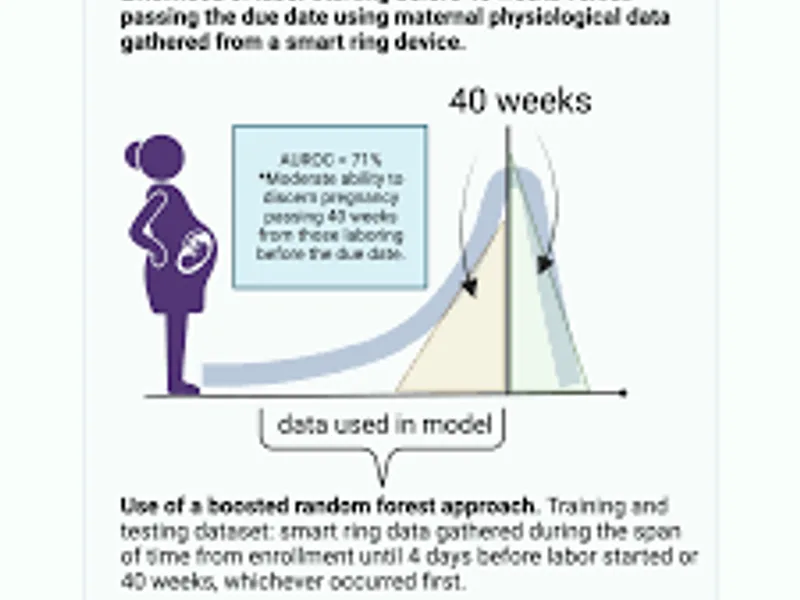
Going past your due date can feel like being stuck in a waiting room with no clock. This guide walks you through what actually happens during monitoring after due date pregnancy — the tests, the decisions, and the emotions nobody really prepares you for.
May 20, 2026
Going past your due date can feel like being stuck in a waiting room with no clock. This guide walks you through what actually happens during monitoring after due date pregnancy — the tests, the decisions, and the emotions nobody really prepares you for.
May 20, 2026
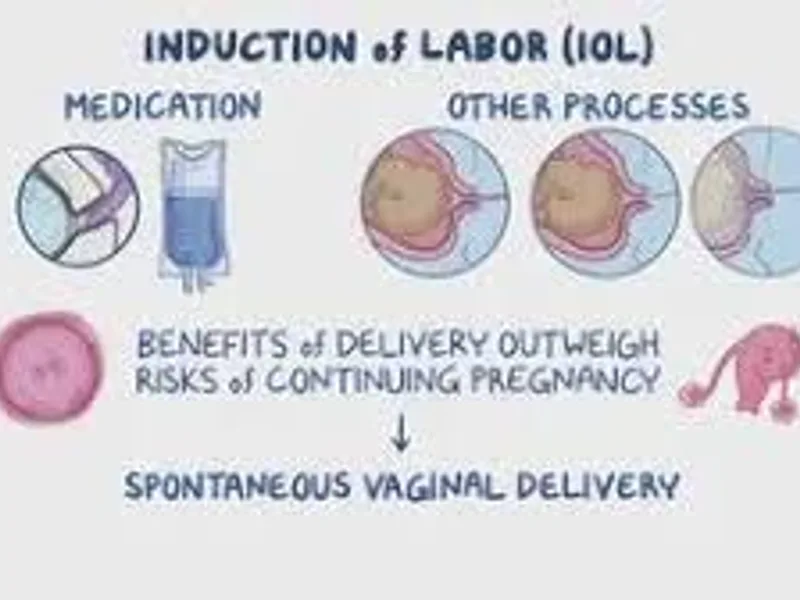
If you’re close to your due date and feeling stuck in waiting mode, this breaks down induction of labor methods in a way that actually makes sense. No jargon, no fluff—just what works, what doesn’t, and what it really feels like from a human perspective.
May 20, 2026