Alzheimer’s Disease: A Complete Guide for Patients and Families
Alzheimer’s disease is the most common cause of dementia, responsible for 60–80% of all dementia cases worldwide. It is a progressive brain disorder that slowly destroys memory, thinking skills, and eventually the ability to perform even basic daily tasks. While it is most common in people over 65, it can occur earlier.
For millions of families, an Alzheimer’s diagnosis is life-changing. Understanding the disease is the first and most powerful step in preparing to face it together.
What Is Alzheimer’s Disease?
Alzheimer’s disease is a neurodegenerative disorder characterized by the gradual accumulation of abnormal protein deposits in the brain: amyloid plaques and tau tangles. These deposits disrupt normal communication between neurons, leading to their death and widespread brain tissue loss.
Unlike normal age-related forgetfulness, Alzheimer’s disease causes severe memory loss that interferes with daily life, alters personality, and progressively strips away a person’s independence. It has no cure, but treatments are available that help manage symptoms and slow cognitive decline.
How the Nervous System Is Affected
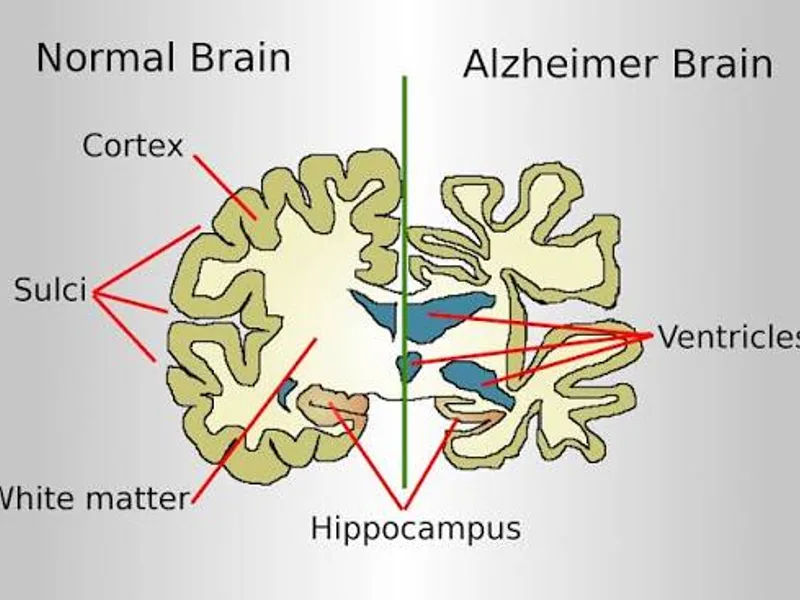
In Alzheimer’s disease, the brain undergoes significant structural and chemical changes. Amyloid beta peptides clump together to form plaques between neurons, blocking cell-to-cell communication. Meanwhile, tau proteins inside neurons become abnormally tangled, preventing nutrients from reaching cells.
Over time, neurons die and the brain shrinks, particularly in areas responsible for memory (hippocampus), language (temporal lobe), and reasoning (frontal lobe). Neurotransmitters including acetylcholine, which is vital for learning and memory, decline sharply as the disease advances.
Causes and Risk Factors
Primary Causes
• Genetic factors: The APOE-e4 gene variant significantly increases risk. Familial Alzheimer’s is linked to mutations in APP, PSEN1, and PSEN2 genes.
• Amyloid and tau accumulation: The hallmark pathology of the disease.
• Neuroinflammation: Chronic brain inflammation accelerates neurodegeneration.
Risk Factors
• Age: The biggest risk factor; risk doubles every 5 years after age 65.
• Family history: First-degree relatives with dementia increase risk.
• Cardiovascular disease: Hypertension, diabetes, and high cholesterol raise risk.
• Low educational attainment: Less cognitive reserve may increase susceptibility.
• Social isolation and depression
• Head trauma: A history of brain injury increases lifetime risk.
Early Warning Signs
Recognizing the early signs of Alzheimer’s is critical for prompt intervention.
• Forgetting recently learned information, especially important dates or events
• Asking the same questions repeatedly
• Difficulty planning or solving problems
• Struggling to complete familiar tasks at home
• Confusion about time, place, or people
• Withdrawal from social activities
• Mood and personality changes
Common Symptoms
Cognitive Symptoms
• Progressive memory loss, especially recent memory
• Difficulty with language: forgetting words, stopping mid-sentence
• Poor judgment and decision-making
• Disorientation in familiar environments
• Impaired reasoning and concentration
Behavioral Symptoms
• Agitation, aggression, and restlessness
• Wandering and getting lost
• Hallucinations and delusions
• Depression and social withdrawal
• Sleep disturbances
Stages of the Disease
• Mild (Early Stage): Forgetfulness and minor memory lapses. Person remains largely independent.
• Moderate (Middle Stage): Significant memory gaps, confusion about personal history. Help with daily activities needed.
• Severe (Late Stage): Loss of ability to communicate, recognize loved ones, or perform basic functions. Full-time care required.
How Doctors Diagnose the Condition
Diagnosis involves ruling out other treatable causes of memory loss, then confirming the pattern consistent with Alzheimer’s.
• Cognitive tests: MMSE (Mini-Mental State Examination), MoCA.
• Blood tests: Rule out vitamin deficiencies, thyroid problems, infections.
• Brain imaging: MRI and PET scans reveal brain shrinkage and amyloid deposits.
• Cerebrospinal fluid analysis: Detects amyloid and tau protein levels.
• Genetic testing: Considered in cases of early-onset or strong family history.
A comprehensive evaluation by a qualified Neurologist is essential for accurate diagnosis and to develop an individualized treatment plan tailored to the patient’s needs and stage of disease.
Available Treatment Options
Medications
• Cholinesterase inhibitors: Donepezil, rivastigmine, galantamine — improve memory and slow cognitive decline.
• Memantine (Namenda): Regulates glutamate activity to improve daily function in moderate to severe Alzheimer’s.
• Lecanemab (Leqembi): A newer FDA-approved monoclonal antibody that targets amyloid plaques.
• Antidepressants and antipsychotics: Manage behavioral symptoms.
Therapies
• Cognitive stimulation therapy (CST): Structured activities to maintain mental function.
• Reminiscence therapy: Using memories, music, and photos to improve mood.
• Occupational therapy: Helps patients adapt to functional limitations.
• Music therapy: Reduces agitation and improves emotional well-being.
Lifestyle Management
• Mental stimulation: Reading, puzzles, learning new skills.
• Physical activity: Regular exercise improves brain blood flow and slows decline.
• Social engagement: Interaction with family and community is protective.
• Healthy diet: MIND diet (Mediterranean-DASH Intervention for Neurodegenerative Delay) is specifically linked to lower Alzheimer’s risk.
• Blood pressure and diabetes management: Controlling these conditions reduces brain damage.
Daily Living Tips for Patients
• Establish consistent daily routines to reduce confusion.
• Label cabinets, drawers, and rooms with clear pictures or words.
• Use a large-display digital clock showing day, date, and time.
• Remove clutter and potential trip hazards from the home.
• Use pill organizers and phone reminders for medication adherence.
• Engage in simple, enjoyable activities like gardening or folding laundry.
Complications if Left Untreated
• Complete loss of communication and self-care ability
• Malnutrition and severe weight loss
• Aspiration pneumonia (leading cause of death in Alzheimer’s)
• Urinary and bowel incontinence
• Bedsores from immobility
• Caregiver burnout in families without professional support
Families should seek care from a best hospital for Alzheimer’s Disease that offers multidisciplinary dementia care teams, memory clinics, and caregiver support programs.
Prevention and Risk Reduction
• Pursue lifelong learning and mental engagement.
• Maintain regular physical activity throughout life.
• Control blood pressure, cholesterol, and blood sugar.
• Avoid smoking and limit alcohol consumption.
• Maintain strong social connections and avoid isolation.
• Prioritize quality sleep: poor sleep is linked to higher amyloid buildup.
Frequently Asked Questions (FAQs)
1. What is the difference between Alzheimer’s disease and dementia?
Dementia is an umbrella term for a group of symptoms affecting memory, thinking, and social ability. Alzheimer’s disease is the most common cause of dementia, accounting for the majority of cases.
2. Can Alzheimer’s disease be prevented?
There is no guaranteed way to prevent Alzheimer’s, but a healthy lifestyle — exercise, mental stimulation, good diet, and managing cardiovascular risk factors — can significantly reduce the risk.
3. Is Alzheimer’s disease the same as memory loss?
No. Memory loss is one symptom, but Alzheimer’s also affects language, judgment, behavior, and eventually all bodily functions. Normal age-related forgetfulness is much milder.
4. How fast does Alzheimer’s progress?
Progression varies greatly. Some people live 20 years with the disease; others decline within 3–5 years. On average, people live 4–10 years after diagnosis.
5. Are there new treatments for Alzheimer’s?
Yes. Lecanemab (Leqembi), approved by the FDA in 2023, is among the first drugs proven to slow Alzheimer’s progression by targeting amyloid plaques. More treatments are in clinical trials.
6. Can a blood test diagnose Alzheimer’s?
Blood tests for amyloid and tau proteins are emerging and show promise as early diagnostic tools. However, they are not yet standard practice and require clinical interpretation.
7. How should families support an Alzheimer’s patient?
Maintaining routines, providing calm environments, communicating clearly with simple sentences, and ensuring safety at home are key caregiving strategies. Respite care for caregivers is equally important.
8. Does Alzheimer’s disease affect young people?
Early-onset Alzheimer’s can occur in people in their 40s or 50s. It is less common but often associated with genetic mutations like PSEN1 or PSEN2.
9. What are the final stages of Alzheimer’s disease?
In the late stage, patients lose the ability to communicate, recognize family, and perform any self-care. They become fully dependent and are at high risk for infections, especially pneumonia.
10. Where can I find support for Alzheimer’s caregiving?
Alzheimer’s associations, local memory clinics, support groups, and online communities are all valuable resources. Many hospitals in India now have dedicated dementia care units.
Conclusion
Alzheimer’s disease is a deeply challenging condition, but advancements in diagnosis, treatment, and caregiving are making a real difference. Early diagnosis, proactive management, and a strong support system can help patients maintain dignity and quality of life for much longer.
If you notice persistent memory problems in yourself or a loved one, do not wait. Consult a neurologist, seek a comprehensive evaluation, and take advantage of the growing range of treatments and services available.