Why People Wait Too Long to See a Sexual Health Specialist
Embarrassment keeps more people out of a sexologist's clinic than the actual severity of their problem ever does. That's the honest truth of it. A man will see a cardiologist within days of chest discomfort but sit on erectile dysfunction for two or three years, hoping it resolves on its own.
It rarely does, not without addressing the cause. Sexual health issues are often tied to something else entirely, blood sugar, blood pressure, stress, thyroid function, or a medication side effect nobody flagged. A specialist doesn't just treat the symptom; they look for what's driving it.
What a Sexual Health Specialist Actually Treats
The term covers more ground than most people assume. It's not just about performance issues.
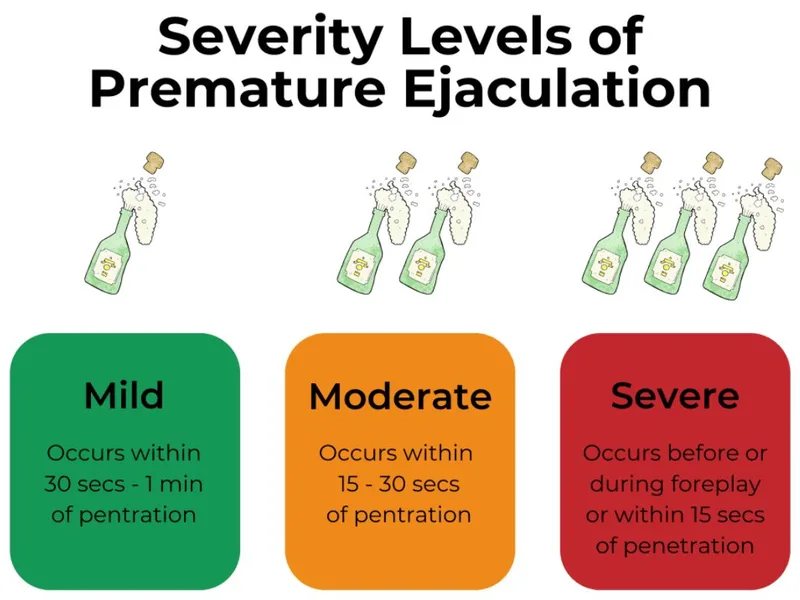
Common concerns include erectile dysfunction, premature ejaculation, low sexual desire, painful intercourse, and difficulties related to menopause or hormonal shifts. Relationship and intimacy problems that have a physical root also fall under this umbrella, and so do concerns after childbirth, surgery, or a chronic illness diagnosis.
In clinical practice, this is often missed because patients assume their problem is "too specific" or "too embarrassing" to bring up, so they describe something vague instead and the real issue never gets addressed. A good specialist will ask direct, plain questions precisely to avoid that gap. If you can't say it out loud, write it down and hand it over. Most clinics are used to that.
Sexologist, Urologist, Gynecologist: Who Treats What
This is where a lot of people get stuck searching online. The right specialist depends on what's actually going on.
A sexologist generally handles sexual dysfunction, low libido, and intimacy concerns in both men and women, often combining medical treatment with counselling. A urologist is the right call for structural or physical issues like erectile dysfunction linked to blood flow, or conditions involving the prostate. For women, a gynecologist is often the first point of contact for pain during intercourse, post-menopausal changes, or hormonal symptoms affecting sexual wellbeing.
If the root cause seems psychological, anxiety, past trauma, or relationship conflict, a psychiatrist or a therapist trained in sex therapy may be more appropriate than a medical specialist alone. It's not unusual for a sexologist to refer you onward once they've ruled out a physical cause. That's not a failure on their part; it's how the system is supposed to work.
Checking Credentials Actually Matters Here
This is worth saying plainly: "sexologist" isn't always a protected or regulated title, and that creates room for unqualified people to claim it. Before booking, check whether the specialist holds a recognised medical degree, an MBBS at minimum, with further training in sexual medicine, andrology, or psychosexual therapy.
Ask how long they've practised and whether they've handled cases similar to yours. A specialist who treats this as routine medicine, without theatrics or moral judgment, is generally the one worth trusting. If a website promises guaranteed cures or pushes unnamed "herbal" treatments, that's a signal to walk away, not book an appointment.
You can browse verified sexologist profiles with listed qualifications and patient reviews rather than relying on a random search result.
What Happens in a First Consultation
Expect questions about your general health first, not just the specific concern. Diabetes, blood pressure, thyroid issues, medications you're currently on, and lifestyle habits like smoking or alcohol use all come into play, since they're common contributors to sexual dysfunction.
The doctor may ask about the timeline, when the issue started, whether it's constant or situational, and whether it's affecting a relationship. None of this is invasive or judgmental in a properly run consultation. If it feels that way, that's a fair reason to seek a different doctor.
Basic tests sometimes follow, blood sugar, hormone levels, or a cardiovascular check, since sexual dysfunction can be an early marker of heart disease in men before other symptoms show up. This connection surprises a lot of patients, but it's well established in clinical literature. If bloodwork is needed, a nearby diagnostic centre can usually process it within a day or two.
For Couples, Not Just Individuals
Sexual health issues rarely sit with just one person. A specialist who's willing to see both partners, even just for one session, often gets to the actual issue faster than treating it as one person's private problem.
That said, going alone is completely fine too, and plenty of people prefer it, at least initially. There's no single "correct" way to approach this. What matters is finding a specialist you're comfortable being honest with, since half-truths in this field lead nowhere useful.
Online Consultations and Privacy
Discretion is a real concern for a lot of patients, and it's a fair one. Many clinics now offer private video consultations specifically because walking into a physical clinic still carries stigma for some people, even in 2026.
If privacy is your main hesitation, ask upfront whether online consultation options are available before booking an in-person visit. It's a reasonable question, and any legitimate clinic will answer it without fuss. Reading the platform's privacy policy beforehand isn't overcautious either, it's sensible.
Related Health Checks Worth Considering
Sexual health rarely exists in isolation from the rest of the body. If low libido or dysfunction has been ongoing, it's worth also getting checked by an endocrinologist for hormonal causes, particularly thyroid or testosterone-related issues. A cardiologist visit is reasonable too if erectile dysfunction has appeared alongside fatigue or breathlessness, given the known link to cardiovascular health.
For women navigating menopause-linked changes, a gynecologist consultation alongside sexual health care tends to give a fuller picture than treating it as a single isolated concern. And if weight, diet, or general fitness feels connected to the issue, a dietitian consultation can support the broader treatment plan, though it's rarely the starting point on its own.