Asthma: Causes, Symptoms, Treatment, and Prevention Guide
Introduction
Asthma is one of the most common chronic respiratory conditions in the world, affecting hundreds of millions of people across all age groups. It's a condition that can range from a mild inconvenience to a life-threatening emergency if not properly managed. Despite its prevalence, many misconceptions about asthma still exist, leading to poor management and unnecessary complications.
Whether you've recently been diagnosed with asthma, suspect you might have it, or simply want to understand it better to support a loved one, finding specialized guidance is the most reliable path forward. For comprehensive diagnostic evaluation and a personalized management routine, scheduling an evaluation at one of the top Hospitals in Kolkata ensures direct access to state-of-the-art pulmonary function testing labs and board-certified experts. This guide covers everything from causes and symptoms to treatment options and long-term prevention strategies.
What is Asthma?
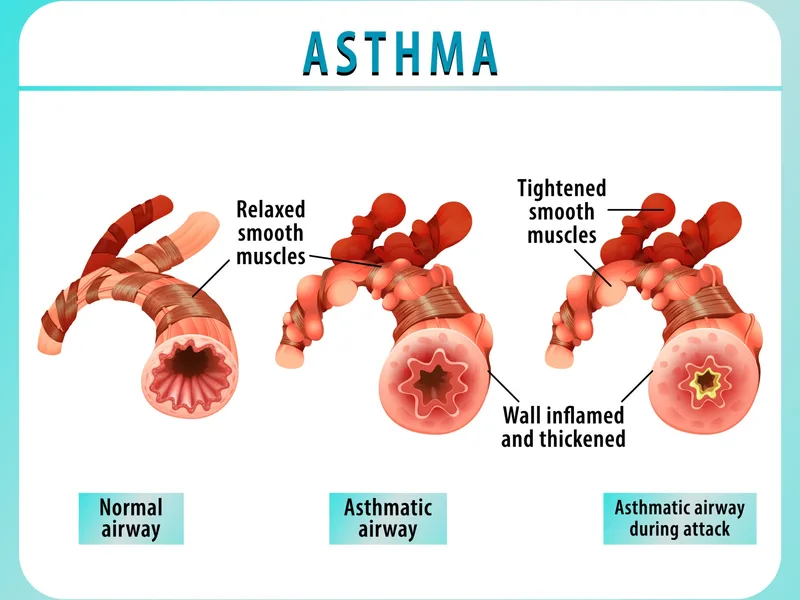
Asthma is a chronic condition that affects the airways — the tubes that carry air in and out of your lungs. In people with asthma, these airways are hypersensitive and permanently inflamed. When exposed to triggers, the inner linings swell, the surrounding muscle bands tighten, and cells produce extra, thick mucus, heavily restricting the space available for airflow.
This structural narrowing results in acute episodes known as "asthma attacks" or "flare-ups," characterized by audible wheezing, coughing, chest tightness, and shortness of breath. Asthma severity varies widely — some people experience occasional, mild symptoms, while others have persistent symptoms that significantly impact daily life. While asthma cannot be fully cured, it can be effectively controlled with modern medical treatment, allowing most people to lead normal, active lives.
What Causes Asthma Flare-Ups?
Asthma itself is not an infection, meaning it is not caused by bacteria or viruses. However, respiratory infections and environmental irritants act as primary triggers that can launch severe flare-ups in individuals who live with the condition. The exact underlying reason why some people develop hyper-reactive airways isn't fully understood, but it is believed to result from a combination of genetic and environmental influences:
Genetics: Having a direct family history of asthma, hay fever, or systemic allergies significantly increases your risk profile.
Allergies: A high percentage of asthma patients suffer from atopic conditions, including eczema (allergic skin inflammation) or allergic rhinitis.
Early Childhood Infections: Severe respiratory syncytial virus (RSV) or viral bronchiolitis infections during early childhood can permanently alter developing lung architecture.
Environmental Exposures: Prolonged exposure to secondhand tobacco smoke, heavy chemical fumes, or intense urban air pollution during early formative years.
Obesity: Being significantly overweight increases systemic inflammation, which is clinically associated with a higher risk of developing more severe, therapy-resistant asthma symptoms.
How Respiratory Infections Spread
Asthma itself is entirely non-contagious — it cannot be spread from person to person through any form of physical contact. It is a chronic structural and immune inflammatory condition, not an infectious disease.
However, contagious respiratory viruses (like the common cold, seasonal influenza, or COVID-19) frequently serve as the spark for dangerous asthma exacerbations. These secondary infections spread quickly through communities via:
Airborne respiratory droplets expelled during coughing or sneezing
Direct personal contact, such as shaking hands with an infected individual
Touching viral or bacterial particles on contaminated surfaces and immediately transferring them to the eyes, nose, or mouth
Because simple seasonal viruses can rapidly cause severe airway blockages, people living with asthma are always advised to practice extra precautions during peak cold and flu seasons.
Who is at Higher Risk?
Certain demographic groups and occupational environments carry a higher statistical likelihood of developing asthma:
Individuals with a parent or sibling who has been diagnosed with asthma or reactive airway disease.
People diagnosed with pre-existing atopic allergies, such as eczema or allergic rhinitis.
Adults working in industries with high dust, chemical vapor, or organic particle exposure (e.g., farming, commercial hairdressing, paint manufacturing, or industrial baking).
Children who suffered from severe respiratory infections during infancy.
Individuals residing in dense industrial areas or close to heavily congested highways with poor ambient air quality.
Regular smokers or individuals routinely exposed to secondhand tobacco smoke during pregnancy and childhood.
Signs and Symptoms
Asthma symptoms can change over time and vary from person to person. Common clinical indicators include:
Wheezing: A high-pitched whistling sound produced when breathing out through narrowed bronchial paths.
Shortness of breath: The sensation of air hunger, leaving an individual feeling winded even during light tasks.
Chest tightness or pain: A restrictive, squeezing sensation focused across the ribcage.
Chronic coughing: Often worsening during the night, early morning hours, or immediately following physical laughter or crying.
Disturbed sleep: Waking up frequently during the night due to persistent coughing fits or wheezing.
Trigger-induced worsening: Symptoms that visibly spike upon exposure to cold air, intense exercise, or specific environmental allergens.
When to Seek Medical Help
If your breathing difficulties are persistent, worsen over time, or regularly disrupt your daily schedule, you should see a physician promptly.
Emergency Warning Signs: Seek emergency medical attention immediately if you or a loved one experience severe shortness of breath even while sitting still, find it difficult to speak full sentences without pausing for air, notice a bluish color in the lips or face (cyanosis), or observe that a rescue inhaler fails to provide any relief during a sudden attack. These indicate a severe medical emergency.
For regular tracking, lung function assessments, and long-term therapeutic tuning, consulting a qualified Pulmonologist is highly recommended to keep symptoms controlled.
Diagnosis and Testing
To accurately diagnose asthma and distinguish it from other conditions like chronic bronchitis, doctors utilize a series of targeted physical and mechanical assessments:
Medical History & Physical Exam: Detailed review of your symptom patterns, allergy history, and listening to your chest with a stethoscope to check for wheezing.
Spirometry: The gold-standard diagnostic tool. It measures mechanical lung capacity by evaluating exactly how much air you can forcefully exhale and how fast you can clear your lungs.
Peak Flow Testing: A simple, portable device used to measure how fast you can push air out of your lungs, useful for checking your lung function day-to-day.
Bronchial Provocation Tests: Done under strict clinical supervision, this test measures how reactive your airways are to specific mild irritants or exercise.
Allergy Screening: Skin prick tests or blood draws used to pinpoint specific environmental triggers (like dust mites or pollen) that may be driving your symptoms.
Chest X-ray: Occasionally ordered to verify that your symptoms are not being caused by an alternate condition, such as pneumonia or a foreign object.
Treatment and Management
Modern asthma care relies on a combination of regular daily medications, lifestyle changes, and quick-relief treatments to manage symptoms.
Quick-Relief (Rescue) Inhalers: Short-acting bronchodilators (like albuterol) that work within minutes to relax tightened airway muscles during an active attack. They should only be used for fast symptom relief and are not meant for daily long-term control.
Long-Term Control Medications: Daily inhaled corticosteroids designed to steadily reduce underlying inflammation and swelling inside your airways. These must be taken consistently every day, even when you feel completely fine.
Combination Inhalers: Formulations that deliver both a long-acting bronchodilator to keep airways open and a daily corticosteroid to combat ongoing inflammation.
Leukotriene Modifiers: Daily oral medications that block chemicals in your body that cause airway inflammation and constriction.
Biologic Therapies: Advanced, targeted injectable treatments reserved for individuals with severe asthma that does not respond to standard, high-dose inhalers.
The Importance of an Asthma Action Plan: Every asthma patient should work with their doctor to create a written Asthma Action Plan. This simple guide tells you exactly which medications to take daily, how to adjust your doses based on your current symptoms, and when it is time to seek emergency medical care.
Recovery and Management Timeline
Because asthma is a lifelong chronic condition, there is no permanent "recovery" or cure. Instead, the timeline is measured by how long it takes to achieve stable control over your symptoms:
Within Days: Proper use of a quick-relief rescue inhaler relaxes airway muscles and relieves acute shortness of breath within minutes during a sudden flare-up.
2 to 4 Weeks: Taking daily controller inhalers consistently typically results in a noticeable reduction in daily coughing, wheezing, and chest tightness.
1 to 3 Months: Airway inflammation settles down significantly, leading to improved lung function scores on follow-up spirometry tests and fewer nighttime awakenings.
Long-term Variable Path: Many children see their symptoms improve significantly or go into remission as their lungs mature during adolescence, though asthma can persist or return later in adulthood.
Prevention Strategies
While you cannot change your underlying genetics, you can prevent sudden asthma attacks and protect your lung health with these everyday habits:
Track and avoid your personal triggers: Stay indoors or wear a mask when pollen counts are high, dust your home regularly, and stay clear of tobacco smoke.
Maintain clean indoor air: Use high-quality air filters, vacuum carpets frequently, and ensure proper ventilation in damp areas to prevent mold growth.
Manage your seasonal allergies: Use prescribed allergy treatments or consider immunotherapy to prevent allergy symptoms from aggravating your asthma.
Warm up before exercising: If physical exertion triggers your breathing issues, perform a slow, thorough warm-up and talk to your doctor about using your inhaler before starting.
Monitor local air quality: Limit intense outdoor activities on days when weather updates show high pollution levels or extreme cold snaps.
Take your maintenance medication: Never skip your daily controller inhaler just because your breathing feels clear; consistency is what keeps future attacks at bay.
Key Preventive Vaccines
Staying up-to-date on routine immunizations is an essential part of managing asthma, as common respiratory viruses can trigger dangerous airway swelling:
Annual Influenza (Flu) Vaccine: Highly recommended every autumn to shield your lungs from seasonal flu strains that can trigger severe asthma attacks.
Pneumococcal Vaccine: Protects against bacterial strains that cause pneumonia and other serious infections, which can be particularly risky for individuals with chronic respiratory conditions.
COVID-19 Vaccine: Helps protect against severe viral lung infections that can cause long-lasting airway inflammation and worsen asthma symptoms.
Common Myths vs. Facts
Myth: Asthma is just a childhood condition that everyone eventually outgrows.
Myth: People with asthma should avoid sports and physical exercise.
Myth: Using asthma inhalers every day can become addictive.
Myth: Inhalers are only necessary when you are actively having an asthma attack.
Complications
When asthma is left untreated or poorly controlled, it can lead to several long-term health complications:
Severe, recurring attacks that require frequent emergency room visits or hospitalizations.
Permanent structural changes to the airways, known as airway remodeling, which can cause long-term, irreversible breathing limitations.
Chronic sleep deprivation due to nighttime coughing fits, leading to daytime fatigue and reduced productivity.
Notable limitations in physical fitness and overall quality of life due to fear of triggering an attack.
Severe uncontrolled asthma can occasionally place extra strain on the heart's right-side chambers. If you develop persistent chest pains, a racing heart, or fluid retention along with your breathing difficulties, a formal evaluation by a Cardiologist may be recommended to monitor your cardiovascular health.
Frequently Asked Questions (FAQs)
1. What are the most common things that trigger an asthma attack?
Common triggers include environmental allergens (like dust mites, pollen, mold, and pet dander), viral respiratory infections, cold weather, cigarette smoke, and intense physical exercise.
2. Is there a permanent cure available for asthma?
No, asthma cannot be permanently cured at this time. However, with modern controller medications and trigger avoidance, it can be managed so effectively that it rarely interferes with daily life.
3. Does having a family history mean I will definitely inherit asthma?
Not necessarily. Having a parent or sibling with asthma increases your genetic risk, but environmental factors also play a large role in whether the condition actually develops.
4. Can an adult develop asthma if they never had it as a child?
Yes, adult-onset asthma is quite common. It is often triggered by developing new allergies, recovering from a severe respiratory virus, or ongoing exposure to irritants in the workplace.
5. What is the difference between a rescue inhaler and a controller inhaler?
A rescue inhaler is a fast-acting treatment used to quickly open up your airways during an active attack. A controller inhaler is a daily medication taken to reduce chronic swelling and prevent attacks from happening in the first place.
6. Can cold weather cause my asthma symptoms to act up?
Yes, breathing in cold, dry air can cause the muscle bands around your airways to twitch and tighten suddenly, which often triggers coughing or wheezing.
7. Is an asthma attack considered a life-threatening medical situation?
A mild attack can often be managed at home, but a severe, uncontrolled attack that does not respond to a rescue inhaler can be life-threatening and requires immediate emergency care.
8. What is the most reliable medical test used to confirm asthma?
Spirometry is the definitive diagnostic test. It measures how much air your lungs can hold and how quickly you can blow it out to check for airway blockages.
9. Can high stress levels trigger an asthma flare-up?
Yes, strong emotional stress, panic, and anxiety can alter your natural breathing patterns and cause the muscles around your airways to tighten, triggering or worsening symptoms.
10. Are daily inhaled steroids safe to use over many years?
Yes. Unlike oral steroids, inhaled corticosteroids are delivered directly to the lungs in very small doses. This makes them highly effective and safe for long-term use with minimal side effects.
11. What should I do if my rescue inhaler fails to relieve my symptoms during an attack?
If your rescue inhaler does not ease your breathing within a few minutes, do not wait. Call for emergency medical services immediately, as this is a sign of a severe, dangerous attack.
12. Can children with asthma safely participate in competitive school sports?
Yes. As long as their asthma is well-controlled with daily medications and they have a clear Asthma Action Plan, children can safely participate in sports.
13. Does my daily diet have an effect on my asthma symptoms?
While specific foods do not cause asthma, maintaining a healthy weight through a balanced diet can reduce overall inflammation and help make your symptoms easier to manage.
14. Why does my asthma cough often feel worse during the night?
Asthma symptoms often peak at night due to natural changes in your body's hormone levels, breathing cooler air, post-nasal drip, or lying flat, which can cause mucus to pool in the airways.
15. Where can I find professional care and personalized treatment plans for asthma?
For comprehensive diagnostic testing and personalized long-term management plans, visiting a dedicated Best Hospital for Asthma ensures you receive specialized care from experienced pulmonologists with access to the latest advanced therapeutic tools.
Conclusion
Asthma is a manageable chronic condition that, with the right combination of medication, trigger avoidance, and lifestyle adjustments, allows millions of people to live active, fulfilling lives. Understanding your triggers, following your treatment plan consistently, and working closely with your healthcare provider are the keys to keeping asthma under control. If you suspect you or your child may have asthma, don't hesitate to seek a proper diagnosis — early management leads to better long-term outcomes.