Pulmonary Disease: Types, Causes, Symptoms, Treatment, and Prevention
Introduction
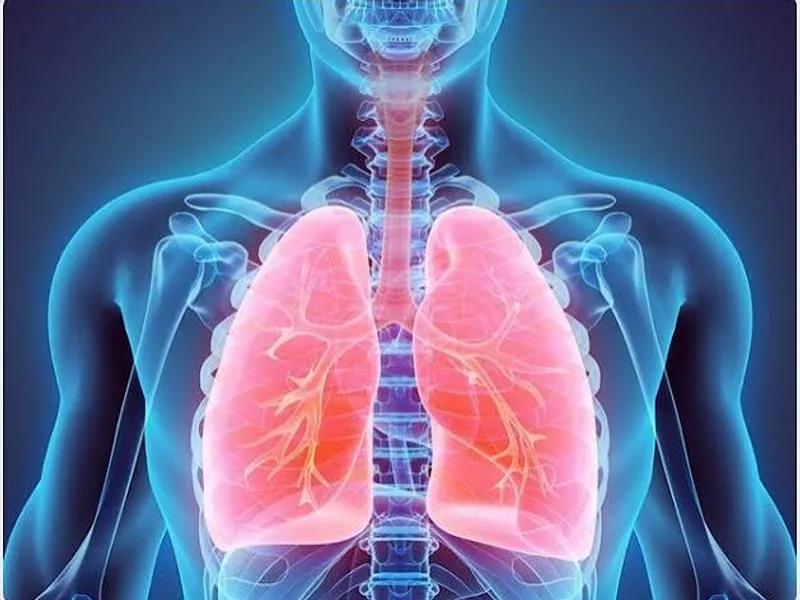
Our lungs work tirelessly every minute of every day, delivering oxygen to our blood and removing carbon dioxide. When something goes wrong with this vital system, the result is what doctors call "pulmonary disease" — a broad term covering any condition that affects the lungs and impairs normal breathing.
Pulmonary diseases range from mild, temporary infections to chronic, life-altering conditions. Understanding the different types of pulmonary diseases, their causes, and how to protect your lung health is essential for everyone — not just those already experiencing symptoms. In this article, we'll explore what pulmonary disease really means, its causes, warning signs, and the best strategies for prevention and treatment.
What is Pulmonary Disease?
Pulmonary disease is a general term referring to disorders that affect the lungs and the respiratory system, impairing the body's ability to breathe properly and exchange oxygen and carbon dioxide.
These conditions generally fall into two categories:
Acute conditions: Sudden onset and usually temporary, often caused by infectious pathogens (e.g., acute bronchitis, pneumonia).
Chronic conditions: Long-lasting, persistent, and often progressive over time (e.g., asthma, COPD, pulmonary fibrosis).
Common Types of Pulmonary Disease
Chronic Obstructive Pulmonary Disease (COPD): A progressive lung condition combining chronic bronchitis and emphysema that blocks standard airflow.
Asthma: A chronic condition characterized by periodic inflammation and narrowing of the airways, causing wheezing and breathlessness.
Pneumonia: An acute infection that inflames the air sacs in one or both lungs, which may fill with fluid or pus.
Pulmonary Fibrosis: A disease marked by deep scarring of lung tissue, making it stiff and progressively harder to breathe.
Pulmonary Hypertension: A specific type of high blood pressure that affects the arteries in the lungs and the right side of the heart.
Tuberculosis (TB): A serious bacterial infection that primarily targets lung tissue but can spread to other organs.
Bronchiectasis: A chronic condition where the walls of the airways become permanently widened and scarred, leading to mucus buildup.
Interstitial Lung Disease (ILD): An umbrella term for a large group of diseases that cause progressive scarring of the tissue supporting the air sacs.
What Causes Lung Damage and Illness?
The underlying causes of pulmonary disorders vary considerably based on the specific disease path, though overlapping risk factors exist:
Smoking and tobacco use: The leading clinical driver behind many chronic respiratory diseases, paralyzing the cilia (tiny hairs) that clean the lungs.
Infections: Pathogenic bacteria, viruses, or fungi can trigger sudden acute inflammatory lung conditions.
Environmental and occupational exposure: Prolonged inhalation of industrial irritants like silica dust, asbestos fibers, toxic chemical vapors, and heavy particulate air pollution.
Genetic factors: Hereditary mutations can pass down specific structural lung disorders, such as cystic fibrosis or Alpha-1 Antitrypsin Deficiency.
Autoimmune conditions: Systemic diseases (like rheumatoid arthritis or scleroderma) that cause the immune system to mistakenly attack healthy interstitial lung tissue.
Allergens: Environmental triggers like pollen, dust mites, mold spores, and pet dander that provoke hyper-reactive immune responses in asthma patients.
How Respiratory Conditions Spread
Whether a lung condition can be transmitted to another person depends entirely on its fundamental cause:
Infectious Pulmonary Diseases (e.g., Pneumonia, Tuberculosis, Influenza, Covid-19): These are highly contagious and spread via airborne droplets expelled when an infected person coughs or sneezes, direct contact with oral or nasal secretions, or touching contaminated surfaces before touching the face.
Non-Infectious Pulmonary Diseases (e.g., Asthma, COPD, Pulmonary Fibrosis): These are completely non-contagious. They develop over long periods due to an individual's specific genetic profile, environmental exposures, or personal lifestyle habits.
Who is at Higher Risk?
Certain demographic and behavioral profiles demonstrate a much higher vulnerability to developing both acute and chronic lung conditions:
Current smokers and individuals with a significant history of tobacco use.
People with a documented direct family history of chronic respiratory conditions.
Industrial workers employed in mining, masonry, heavy manufacturing, construction, and textile fields.
Individuals with compromised or weakened immune systems, including young children, the elderly, and people undergoing immunosuppressive medical treatments.
People living in dense urban zones or industrial sectors plagued by poor ambient air quality.
Individuals with a childhood history of severe, poorly controlled respiratory infections.
Signs and Symptoms
While specific conditions manifest distinct clinical signs, the general warning indicators of compromised respiratory function include:
A persistent, chronic cough that lasts for weeks or months
Shortness of breath (dyspnea), notably during physical activities or at rest in advanced stages
Audible wheezing, whistling, or rattling sounds during exhalation
Chronic chest tightness, pressure, or sharp pain when drawing a breath
Excessive production of mucus, phlegm, or sputum
Pervasive fatigue, generalized weakness, and lack of systemic energy
Spiking fevers and chills (primarily in active, acute infectious states)
Clubbing—the widening and rounding of the tips of the fingers or toes due to long-term low blood oxygen levels
Unexplained, progressive weight loss
When to Seek Medical Help
You should schedule a medical evaluation if you encounter an unexplained cough that extends past 2 to 3 weeks, breathing difficulty that halts regular daily chores, or pain when deep breathing.
Emergency Medical Warning: If you experience sudden, incapacitating breathlessness, coughing up bright red blood, a dangerously high fever, confusion, or a bluish discoloration of the lips, face, or fingernails (cyanosis), seek immediate emergency emergency care, as these signs point to impending respiratory failure.
For professional, comprehensive diagnostic workups and long-term care of complex respiratory symptoms, scheduling a consultation with a certified Pulmonologist is highly advised.
Diagnosis and Testing
Pulmonologists utilize a specialized matrix of structural and functional tests to precisely map out respiratory limitations:
Pulmonary Function Tests (PFTs): Objective, non-invasive breath tests using a spirometer to calculate maximum lung volume capacity, inhalation strength, and exhalation speed.
Chest X-ray and Computed Tomography (CT) Scans: Imaging tests designed to identify structural lung defects, fluid build-up, active infections, or permanent tissue scarring.
Blood Tests: Comprehensive panels, including Arterial Blood Gas (ABG) analysis, to screen for acute inflammation, circulating antibodies, or precise oxygen-to-carbon dioxide balance.
Sputum Culture: Lab analysis of coughed-up phlegm to single out the exact bacteria or fungus causing an active lung infection.
Bronchoscopy: An advanced diagnostic intervention utilizing a thin, flexible tube equipped with a digital camera to visually map the interior bronchial pathways. This is often performed dynamically during specialized Endoscopy procedures to harvest precise tissue biopsies.
Treatment and Management
Clinical treatment pathways are custom-tailored to handle the exact type and stage of the diagnosed lung condition:
Medical Therapies
Bronchodilators: Targeted inhalers designed to instantly relax smooth muscle bands around airways, widening the pathways for easier airflow.
Anti-inflammatory Medications: Corticosteroids or biologic agents engineered to suppress chronic swelling inside the respiratory tract.
Antimicrobial Agents: Prescription antibiotics, antivirals, or antifungals used to target and eradicate underlying lung pathogens.
Antifibrotic Medications: Advanced drugs utilized to slow down the speed of permanent tissue scarring in conditions like Interstitial Lung Disease.
Advanced Interventions
Oxygen Therapy: Supplemental, medical-grade oxygen delivered to patients suffering from chronic low resting oxygen saturation.
Pulmonary Rehabilitation: A highly structured, multidisciplinary program matching monitored cardiopulmonary exercise, nutritional balance, and specialized paced-breathing techniques.
Surgical Care: For advanced, end-stage lung disease, operations like lung volume reduction surgery, segmentectomies, or full lung transplantation may be evaluated.
Lifestyle Shifts: Absolute cessation of tobacco, creating pollutant-free homes, and engaging in light daily exercise.
Recovery and Management Timeline
Disease Type | General Clinical Timeline |
Acute Infections (Pneumonia, Bronchitis) | Symptoms generally clear up within 1 to 3 weeks with appropriate rest and targeted antimicrobial prescriptions. |
Chronic Illnesses (COPD, Fibrosis, Asthma) | Structural damage cannot be reversed, but significant improvements in breathing and daily stamina are noted within 6 to 12 weeks of starting maintenance therapy. |
Post-Surgical Recoveries (Lung Surgeries) | Requires specialized, gradual healing stretching across several weeks to months, closely supported by physical therapists. |
Prevention Strategies
Proactively shielding your respiratory system is the single most effective way to prevent debilitating, long-term lung conditions:
Eradicate tobacco exposure: Quit smoking immediately and actively avoid environments filled with secondhand smoke.
Deploy respiratory protection: Wear certified particle masks or heavy-duty respirators when handling chemicals, wood dust, or masonry materials.
Keep indoor air clean: Utilize HEPA air purifiers, maintain clean air conditioning filters, and optimize indoor cross-ventilation.
Practice hand hygiene: Clean your hands thoroughly with soap and water throughout the day to block the transmission of common respiratory viruses.
Incorporate aerobic exercise: Engage in daily swimming, walking, or cycling to build up the stamina of your primary respiratory muscles.
Track your environment: Stay indoors or limit rigorous outdoor exercises on days when air quality indexes cross into hazardous zones.
Key Preventive Vaccines
Immunizations act as a vital armor, keeping common, manageable bugs from morphing into catastrophic lung events:
Annual Influenza (Flu) Shot: Shields against seasonal flu viruses that can rapidly progress into viral pneumonia.
Pneumococcal Vaccine: Defends the body against the specific aggressive bacterial strains responsible for pneumococcal pneumonia.
COVID-19 Vaccine: Minimizes the risk of severe acute respiratory syndrome and long-term pulmonary inflammation triggered by coronavirus mutations.
BCG (Tuberculosis) Vaccine: Administered globally in high-prevalence areas to protect children against severe strains of TB.
Common Myths vs. Facts
Myth: Pulmonary disease is something that only concerns the elderly.
Fact: While wear-and-tear diseases accumulate with age, conditions like asthma, cystic fibrosis, and environmental allergies impact millions of children and infants worldwide.
Myth: If you have never smoked a cigarette, your lungs are entirely safe from disease.
Myth: All pulmonary diseases can be passed along to family members.
Myth: Pulmonary function testing is a painful, invasive process.
Complications
If respiratory disorders are left untreated or poorly managed, they can ripple outward, creating severe systemic medical complications:
Chronic Respiratory Failure: A state where the damaged lungs lose the baseline capacity to supply oxygen or flush out metabolic carbon dioxide.
Cardiovascular Strain: Chronic lung blockages restrict blood flow, forcing the heart to pump against higher resistance. This can lead to right-sided heart strain or heart failure, frequently requiring care from a specialized Cardiologist.
Secondary Pulmonary Hypertension: Severely elevated blood pressure focused entirely within the arteries that deliver blood through the lungs.
Pervasive Fatigue and Quality of Life Loss: Progressive muscular oxygen deprivation that leads to severe physical limitations, panic attacks, anxiety, and deep depression.
Frequently Asked Questions (FAQs)
1. What precisely is defined as a pulmonary disease?
It refers to any medical condition that targets the organs and tissues of the respiratory system, disrupting normal breathing patterns and oxygen absorption.
2. What are the most common variations of lung diseases?
The most widespread variations encountered globally include asthma, COPD, bacterial or viral pneumonia, pulmonary fibrosis, and tuberculosis.
3. Is every single pulmonary disease considered a life-threatening emergency?
No. Many acute respiratory issues, like mild bronchitis, resolve cleanly with temporary care, whereas chronic varieties like advanced COPD require lifelong tracking and management.
4. Can chronic lung tissue scarring be fully cured?
No, deep structural scarring (like that seen in advanced pulmonary fibrosis or emphysema) cannot be reversed. However, targeted medical treatments are highly effective at slowing down future progression.
5. What are the absolute best everyday habits to preserve lung health?
Avoiding tobacco smoke, wearing face protection in dusty workplaces, staying physically active, washing hands frequently, and maintaining clean indoor air ventilation.
6. How exactly do doctors diagnose the presence of pulmonary diseases?
Physicians use a baseline combination of physical exams, spirometry testing (PFTs), specialized chest CT imaging, and targeted blood panels.
7. Can respiratory diseases be passed down through genetics?
Yes, certain pulmonary conditions like cystic fibrosis or Alpha-1 Antitrypsin Deficiency are directly hereditary, meaning they are passed down through family lines.
8. Can young children suffer from chronic pulmonary diseases?
Yes. Asthma is one of the most common chronic childhood illnesses, and conditions like cystic fibrosis are present right from birth.
9. What lifestyle changes offer the biggest relief after a diagnosis?
Strictly avoiding chemical vapors or cigarette smoke, practicing prescribed diaphragmatic breathing, keeping up with vaccines, and consuming a balanced diet.
10. When is the right time to transition from a general practitioner to a pulmonologist?
You should see a specialist if you face an ongoing, unexplained cough, recurring chest infections, or unexplained shortness of breath that does not improve with basic treatment.
11. Can prolonged exposure to city smog cause long-term lung disease?
Yes, long-term inhalation of fine particulate matter (PM 2.5) and ozone can trigger chronic airway inflammation, accelerating conditions like COPD and asthma.
12. Does experiencing shortness of breath mean I definitely have lung disease?
Not always. Shortness of breath can also point to anemia, physical deconditioning, anxiety, or underlying heart conditions. It should always be evaluated by a healthcare professional to identify the true cause.
13. How exactly does pulmonary rehabilitation help someone with weak lungs?
It retrains the body's skeletal muscles to use circulating oxygen more efficiently, conditions the heart, and teaches breathing control tricks that reduce the sensation of breathlessness.
14. Why do individuals with chronic lung diseases often suffer from anxiety?
The biological sensation of not being able to draw enough air acts as a direct alarm trigger in the brain, naturally causing high levels of anxiety and panic.
15. Where can I find access to advanced, multi-specialty respiratory diagnostics and emergency lung care?
For comprehensive diagnostic testing, state-of-the-art PFT labs, and specialized care plans, consulting an Advanced Treatment Hospitals in Kolkata ensures access to experienced pulmonologists, emergency respiratory infrastructure, and modern rehabilitative clinics.
Conclusion
Pulmonary disease encompasses a wide range of conditions that affect the lungs, from temporary infections to lifelong chronic illnesses. While some conditions can be cured, others require ongoing management to maintain quality of life. The most powerful tools against pulmonary disease are prevention, early detection, and consistent care. If you notice persistent respiratory symptoms, don't delay — seek medical evaluation early to protect your lung health for years to come.