Autoimmune Disease: Causes, Symptoms, and Treatment — A Complete Patient Guide
The human immune system is an extraordinary defense network designed to protect the body from harmful invaders like bacteria, viruses, and parasites. But in autoimmune disease, this defense system makes a critical error: it begins attacking the body’s own healthy tissues and organs. The result is chronic inflammation, tissue damage, and a wide range of symptoms that can affect virtually any part of the body.
Autoimmune diseases affect over 50 million people in the United States alone and are among the most misdiagnosed conditions in medicine. This guide explains what autoimmune diseases are, how they develop, and what can be done about them.
What Is Autoimmune Disease?
An autoimmune disease is a condition in which the immune system mistakenly produces antibodies that target and damage the body’s own cells, tissues, and organs. Normally, the immune system distinguishes between “self” (the body’s own molecules) and “non-self” (foreign invaders). In autoimmune diseases, this distinction breaks down.
There are more than 80 recognized autoimmune diseases. Some, like rheumatoid arthritis, affect specific tissues like joints. Others, like lupus, can affect multiple organ systems simultaneously. While many are manageable with treatment, some can be life-threatening if not addressed.
How the Immune System Is Affected
In healthy individuals, regulatory T-cells prevent the immune system from attacking the body’s own tissues. In autoimmune conditions, these regulatory mechanisms fail. The immune system produces autoreactive T-cells and autoantibodies that target self-tissues.
This misdirected immune response causes inflammation, tissue destruction, and organ dysfunction. Depending on which tissues are targeted, symptoms can range from joint pain and fatigue to kidney failure or neurological dysfunction.
Causes and Risk Factors
Potential Causes
• Genetic predisposition: Many autoimmune diseases run in families.
• Molecular mimicry: Some infections trigger immune responses that cross-react with self-tissues.
• Gut microbiome imbalance: Dysbiosis has been linked to increased autoimmune risk.
• Hormonal factors: Many autoimmune diseases disproportionately affect women.
• Environmental triggers: Stress, smoking, and certain chemicals may precipitate disease onset.
Risk Factors
• Female sex (women account for ~78% of autoimmune disease cases)
• Family history of autoimmune conditions
• Prior viral or bacterial infections
• Exposure to sunlight, chemicals, or pollutants
• Ethnicity: Certain groups have higher susceptibility to specific diseases
Early Warning Signs
Because autoimmune diseases are diverse, early signs vary widely. However, certain symptoms appear across many autoimmune conditions.
• Unexplained, persistent fatigue
• Low-grade fever without obvious cause
• Joint pain, swelling, or stiffness
• Skin rashes or changes
• Difficulty concentrating (“brain fog”)
• Recurrent infections
• Hair loss or mouth ulcers
Common Symptoms
General Systemic Symptoms
• Chronic fatigue and weakness
• Inflammation and redness in affected areas
• Pain in muscles and joints
• Swelling of lymph nodes
Disease-Specific Symptoms
• Rheumatoid arthritis: Joint deformity, morning stiffness.
• Lupus: Butterfly rash, kidney damage, photosensitivity.
• Hashimoto’s thyroiditis: Weight gain, cold intolerance, fatigue.
• Multiple sclerosis: Vision problems, muscle weakness, balance issues.
• Type 1 diabetes: Excessive thirst, frequent urination, weight loss.
Stages of Autoimmune Disease
• Preclinical: Autoantibodies present without symptoms. Can last years.
• Prodromal: Vague, early symptoms begin. Diagnosis often difficult.
• Acute flare: Clear disease manifestations appear; diagnosis usually made.
• Remission: Symptoms reduce or disappear, sometimes spontaneously or with treatment.
• Chronic progressive: Ongoing disease with worsening organ damage over time.
How Doctors Diagnose the Condition
Diagnosing autoimmune disease is often a process of elimination. There is no single test that identifies all autoimmune conditions.
• Blood tests: ANA (antinuclear antibody), RF (rheumatoid factor), anti-dsDNA, CBC, ESR, CRP.
• Organ-specific tests: Thyroid panel, blood glucose, kidney and liver function.
• Imaging: X-rays, MRI, or ultrasound for affected organs.
• Biopsy: Tissue sample from skin, kidney, or muscle if needed.
Depending on the system involved, you may be referred to a Rheumatologist for joint and connective tissue diseases, or an Endocrinologist for hormone-related autoimmune conditions like Hashimoto’s thyroiditis or Type 1 diabetes.
Available Treatment Options
Medications
• NSAIDs: Reduce inflammation and pain (e.g., ibuprofen, naproxen).
• Corticosteroids: Prednisone, methylprednisolone — powerful anti-inflammatory agents.
• DMARDs: Disease-modifying antirheumatic drugs (e.g., methotrexate, hydroxychloroquine).
• Biologics: Target specific immune pathways (e.g., TNF inhibitors, IL-6 inhibitors).
• Immunosuppressants: Azathioprine, mycophenolate for severe organ involvement.
• Hormone replacements: Thyroid hormone (levothyroxine) for Hashimoto’s; insulin for Type 1 diabetes.
Therapies
• Physical therapy: For maintaining joint mobility in arthritis.
• Dietary therapy: Anti-inflammatory diets that reduce symptom burden.
• Psychological support: CBT and counseling for managing chronic illness.
• Plasmapheresis: Removes autoantibodies from the blood in severe cases.
Lifestyle Management
• Anti-inflammatory diet: Increase omega-3s, reduce processed foods and sugar.
• Stress management: Chronic stress worsens immune dysregulation.
• Adequate sleep: 7–9 hours per night reduces inflammatory cytokines.
• Gentle exercise: Yoga, swimming, and walking reduce inflammation.
• Avoid triggers: Sunlight (lupus), gluten (celiac), specific allergens.
Daily Living Tips for Patients
• Track symptoms daily using a diary or app.
• Plan activities around energy levels; rest during flares.
• Communicate openly with your healthcare team about symptom changes.
• Stay up to date with vaccinations (unless contraindicated by immunosuppressive therapy).
• Build a support network: join patient communities and support groups.
Complications if Left Untreated
• Permanent joint damage and disability (rheumatoid arthritis, lupus arthritis)
• Kidney failure (lupus nephritis)
• Thyroid dysfunction and metabolic disorders
• Heart disease secondary to chronic inflammation
• Increased susceptibility to infections
• Cancer risk: Certain autoimmune conditions are linked to lymphoma
Patients in the region can access comprehensive autoimmune care at advanced treatment hospitals in Kolkata that offer multidisciplinary teams including rheumatologists, immunologists, and specialized nursing staff.
Prevention and Risk Reduction
• Maintain a healthy gut: Probiotics and fiber support immune balance.
• Avoid smoking: Smoking is a known trigger for several autoimmune diseases.
• Manage stress effectively through mindfulness and therapy.
• Limit alcohol consumption.
• Regular health screenings, especially if there is a family history.
• Eat a diverse, plant-rich diet to support immune regulation.
Frequently Asked Questions (FAQs)
1. What are the most common autoimmune diseases?
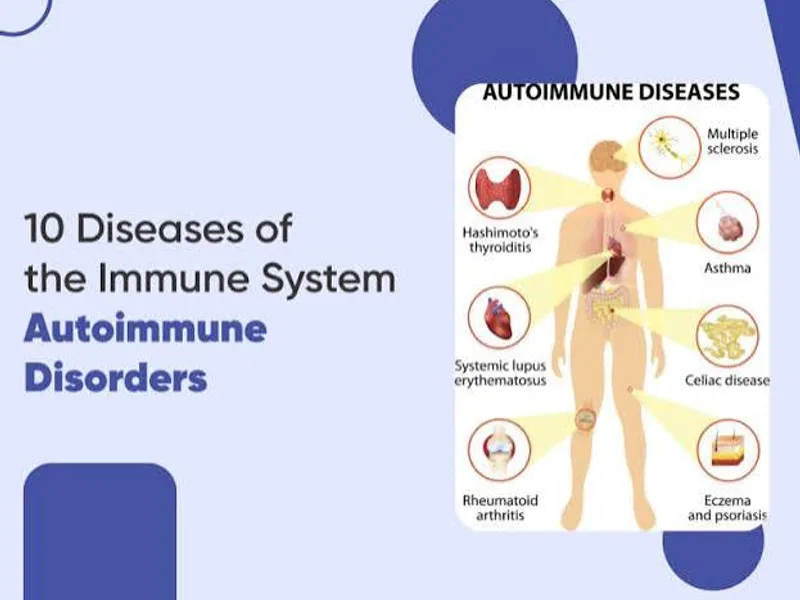
Rheumatoid arthritis, lupus, Hashimoto’s thyroiditis, Type 1 diabetes, multiple sclerosis, celiac disease, and psoriasis are among the most common autoimmune conditions worldwide.
2. Can autoimmune disease be cured?
Most autoimmune diseases cannot be cured, but they can be effectively managed with medications and lifestyle changes. Some patients achieve long-term remission.
3. Why do autoimmune diseases affect more women than men?
Hormonal differences, particularly estrogen’s role in enhancing immune responses, are believed to make women more susceptible. Genetic factors on the X chromosome also play a role.
4. Can diet treat autoimmune disease?
Diet alone cannot treat autoimmune disease, but an anti-inflammatory diet can reduce symptom burden and support overall health alongside medical treatment.
5. Can stress cause autoimmune disease?
Stress alone does not cause autoimmune disease, but it can trigger flares and worsen symptoms. Effective stress management is an important component of treatment.
6. Are autoimmune diseases hereditary?
Genetics plays a role, but inheritance is not straightforward. Having a family member with one autoimmune disease increases your risk for both the same and other autoimmune conditions.
7. Can autoimmune diseases go into remission?
Yes. Many autoimmune diseases alternate between flares and remission. With treatment, some patients experience prolonged periods with minimal or no symptoms.
8. What is the connection between autoimmune disease and cancer?
Chronic immune activation and the use of immunosuppressive medications can slightly increase cancer risk. However, treating the autoimmune disease remains the priority.
9. Are there any new treatments for autoimmune diseases?
Biologic therapies, JAK inhibitors, and research into gut microbiome modulation represent some of the most exciting recent advances in autoimmune disease treatment.
10. How do I find the right specialist for my autoimmune disease?
The right specialist depends on which organ system is affected. A rheumatologist manages most joint and connective tissue diseases, while endocrinologists, neurologists, and gastroenterologists manage system-specific conditions.
Conclusion
Autoimmune diseases are complex, chronic, and deeply personal conditions that require individualized care. While they cannot be prevented entirely, early detection, modern therapies, and healthy lifestyle choices can make a tremendous difference.
If you suspect you have an autoimmune condition, seek specialist evaluation promptly. With the right support, millions of people with autoimmune diseases lead full, active, and rewarding lives every day.