Cardiac Disease
Introduction
The human heart is a remarkable organ, beating roughly 2.5 billion times over an average lifetime. However, the term "Cardiac Disease" encompasses a wide range of conditions that affect this vital muscle. Unlike Coronary Heart Disease, which focuses on the arteries, Cardiac Disease is a broader term that includes problems with the heart's rhythm, muscle, valves, and structure. Millions of people live with various forms of cardiac disease. Understanding the different types and their management is crucial for maintaining overall health and longevity.
What is Cardiac Disease?
Cardiac Disease is an umbrella term for any disorder of the heart. This includes:
Arrhythmias: Problems with the electrical system that regulates heart rhythm.
Cardiomyopathy: A thickened or enlarged heart muscle.
Valve Disorders: Conditions where the heart valves do not open or close properly.
Heart Failure: When the heart cannot pump enough blood to meet the body's needs.
Congenital Heart Defects: Structural problems present from birth.
How the Heart and Blood Vessels Work
The heart has four chambers: two upper (atria) and two lower (ventricles). Blood flows through the heart in a specific direction, controlled by four valves.
The Pumping Action: The right side sends blood to the lungs to get oxygen. The left side pumps oxygen-rich blood to the rest of the body.
The Electrical System: Electrical impulses travel through the heart, triggering the muscle to contract and pump blood.
In Cardiac Disease: Any part of this complex system can fail. A valve might leak, the electrical signal might misfire, or the muscle wall might weaken.
Major Causes
The causes vary depending on the type of cardiac disease.
Genetics: Congenital defects and cardiomyopathy often run in families.
Infection: Viral infections like myocarditis can damage the heart muscle.
Autoimmune Disorders: Conditions like rheumatic fever can scar heart valves.
Aging: Wear and tear on the heart valves over time can lead to stenosis (narrowing).
Risk Factors
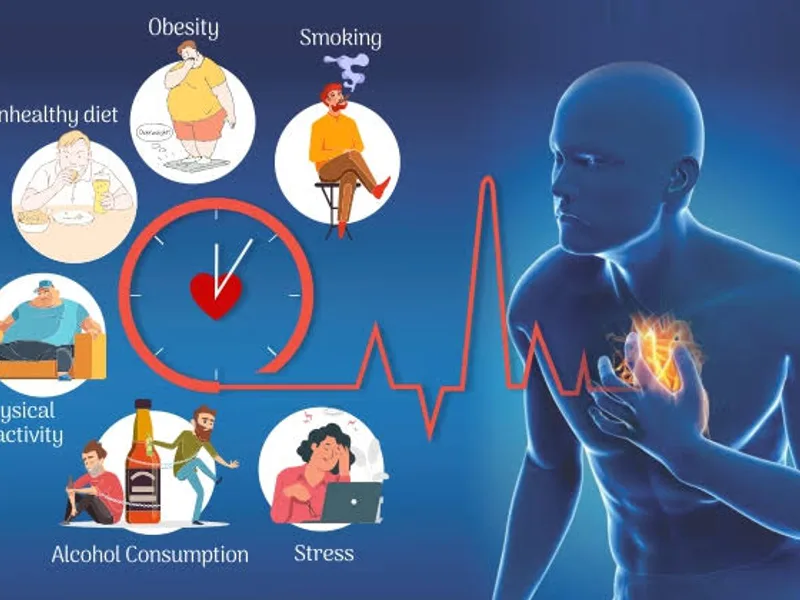
Several lifestyle and health factors contribute to the development of various cardiac diseases.
Obesity: Increases the workload on the heart.
Alcohol Abuse: Can weaken the heart muscle over time.
Drug Use: Stimulants like cocaine can cause severe arrhythmias.
Uncontrolled Hypertension: Forces the heart to pump harder, thickening the muscle.
Sedentary Lifestyle: Contributes to obesity and poor cardiovascular fitness.
Symptoms to Watch For
Symptoms differ based on the specific condition but often include:
Palpitations: A feeling of skipped heartbeats or fluttering.
Swelling (Edema): Fluid retention in the legs, ankles, or feet.
Dizziness or Fainting: Caused by a drop in blood pressure or arrhythmia.
Chest Discomfort: Often felt as a tightness or fullness.
Rapid Weight Gain: A sign of fluid retention due to heart failure.
Emergency Warning Signs
Sudden onset of symptoms requires immediate medical attention.
Fainting or loss of consciousness.
Rapid or irregular heartbeat combined with chest pain or shortness of breath.
Sudden severe headache or weakness on one side of the body (indicating a stroke related to a heart clot).
Diagnostic Tests
Diagnosing the specific type of cardiac disease requires a variety of tools. A Cardiologist will oversee this process.
Blood Tests
Tests for B-type natriuretic peptide (BNP) can diagnose heart failure. Other tests check for thyroid hormones (which affect heart rate) or signs of infection.
ECG
An ECG is the gold standard for diagnosing arrhythmias. It maps the electrical timing of every heartbeat, showing if the heart is beating too fast, too slow, or irregularly.
Imaging Tests
Echocardiogram: Uses sound waves to show the heart's structure and function, including valve health.
Cardiac MRI: Creates detailed 3D images of the heart, useful for diagnosing cardiomyopathy and tissue damage.
Holter Monitor: A portable ECG worn for 24-48 hours to catch intermittent rhythm problems.
Treatment Options
Treatment is tailored to the specific type of cardiac disease.
Medications
Anti-arrhythmics: Control irregular heartbeats.
ACE Inhibitors: Lower blood pressure and ease the burden on a failing heart.
Diuretics: Help the body expel excess fluid, treating swelling.
Medical Procedures
For structural problems or advanced disease, surgery may be necessary.
Pacemaker/Defibrillator Implantation: Devices to regulate heart rhythm.
Valve Repair or Replacement: Surgery to fix faulty valves.
Bypass Surgery: In cases of severe blockage, CABG Surgery reroutes blood around clogged arteries to restore flow.
Lifestyle Changes for Better Heart Health
Managing cardiac disease involves a proactive approach.
Limit Sodium: Sodium holds water, putting extra stress on the heart.
Monitor Fluid Intake: In heart failure, patients often need to limit how much they drink.
Avoid Alcohol: Alcohol can trigger arrhythmias and weaken the heart muscle.
Diet Plan Recommendations
A cardiac-friendly diet supports overall heart function.
The DASH Diet: Specifically designed to lower blood pressure. It focuses on fruits, vegetables, low-fat dairy, and whole grains.
Plant-Based Proteins: Beans, lentils, and tofu are excellent alternatives to red meat.
Limit Processed Foods: These are often hidden sources of sodium and unhealthy fats.
Exercise Guidelines
Exercise is beneficial but must be done carefully.
Moderate Intensity: Walking, cycling, and swimming improve heart efficiency.
Avoid Heavy Lifting: Straining can spike blood pressure and strain the heart.
Listen to Your Body: Stop immediately if you feel dizzy or short of breath.
Long-Term Complications
If cardiac disease is not managed, it can lead to:
Stroke: Blood clots formed in the heart can travel to the brain.
Kidney Damage: Reduced blood flow can harm the kidneys.
Liver Damage: Fluid backup from heart failure can damage the liver.
Prevention Tips
Regular Screening: Get annual checkups to monitor blood pressure and rhythm.
Dental Hygiene: Gum disease is linked to heart disease; brush and floss daily.
Vaccinations: Stay up to date with flu and pneumonia vaccines to prevent respiratory infections that can stress the heart.
FAQs
Can stress cause cardiac disease?
Chronic stress increases cortisol and adrenaline, which can raise blood pressure and heart rate, contributing to disease over time.
Is cardiac disease curable?
Many forms are manageable and treatable. Congenital defects can often be repaired surgically, and arrhythmias can be controlled with medication or devices.
Where can I find comprehensive care?
For treatment involving multiple specialists, look for Multispecialty Hospitals in Kolkata that offer cardiology departments alongside other essential care units.
Final Thoughts
Cardiac Disease is a complex field, but knowledge is power. By understanding the signals your body sends and seeking expert medical advice, you can navigate these challenges. Whether through medication, lifestyle changes, or surgery, there are many paths to a healthier heart.
Hypertension Disease
Introduction
Hypertension, commonly known as high blood pressure, is often called the "silent killer." It earned this name because it rarely causes symptoms but silently damages your blood vessels and organs over years. Millions of people walk around with uncontrolled hypertension, unaware of the ticking time bomb inside their arteries. Left untreated, it is the leading cause of heart attacks and strokes. This blog explores the realities of Hypertension Disease, offering a roadmap for detection, management, and prevention.
What is Hypertension Disease?
Blood pressure is the force of your blood pushing against the walls of your arteries. Hypertension is defined as a sustained blood pressure reading of 130/80 mm Hg or higher.
Systolic Pressure (top number): Measures the pressure in your arteries when your heart beats.
Diastolic Pressure (bottom number): Measures the pressure in your arteries when your heart rests between beats.
The Danger: When this pressure is too high, it forces the heart to work harder to pump blood. Over time, this force damages the delicate inner lining of the arteries.
How the Heart and Blood Vessels Work
Your cardiovascular system relies on flexible blood vessels to manage blood flow.
Healthy Vessels: Elastic arteries stretch easily when blood is pumped and recoil when the heart rests, maintaining steady flow.
In Hypertension: The constant high pressure makes the arteries stiff and less elastic. Think of a rubber band left in the sun; it becomes brittle and cracks. These cracks allow plaque to deposit more easily, leading to atherosclerosis. Eventually, the vessels can become so narrow that they block entirely.
Major Causes
For most adults, there is no single identifiable cause (Primary Hypertension). However, secondary hypertension is caused by an underlying condition.
Kidney Disease: The kidneys regulate sodium and fluid retention; if they fail, blood volume and pressure rise.
Thyroid Problems: An overactive thyroid can increase heart rate and blood pressure.
Sleep Apnea: Repeated pauses in breathing during sleep reduce oxygen levels, stressing the cardiovascular system.
Adrenal Gland Tumors: Rare tumors can cause hormones to be released that spike blood pressure.
Risk Factors
Factors that increase your risk of developing high blood pressure include:
Age: Risk increases as you get older; arteries naturally stiffen with age.
Family History: Hypertension tends to run in families.
Obesity: The more you weigh, the more blood you need to supply oxygen and nutrients to your tissues.
Salt Sensitivity: Some people have a genetic predisposition to hold onto sodium.
Stress: High-stress levels can temporarily, and eventually chronically, elevate blood pressure.
Symptoms to Watch For
Most people with hypertension have no symptoms, even when readings are dangerously high. However, some may experience:
Headaches: Often occurring at the back of the head.
Nosebleeds: Can be a sign of very high blood pressure.
Dizziness: Feeling lightheaded or unsteady.
Blurred Vision: High pressure can damage the tiny blood vessels in the eyes.
Emergency Warning Signs
This is a Hypertensive Crisis (systolic >180 / diastolic >120). Seek emergency care immediately if you experience:
Diagnostic Tests
Diagnosis is simple and involves measuring your blood pressure. However, determining the cause may require more work.
Blood Tests
Blood tests check for:
Kidney Function: Creatinine and BUN levels to ensure kidneys aren't damaged.
Electrolytes: Sodium, potassium, and magnesium levels.
Thyroid Function: To rule out thyroid issues. Sometimes, an Endocrinologist is consulted for complex hormonal causes of hypertension.
ECG
An ECG can show if the heart has been damaged by high blood pressure. It looks for thickening of the heart muscle (left ventricular hypertrophy), a common side effect of pumping against high pressure.
Imaging Tests
Treatment Options
The goal is to lower blood pressure to protect organs like the brain, kidneys, and heart.
Medications
There are several classes of drugs used to treat hypertension.
Diuretics: Help the body eliminate excess sodium and water.
ACE Inhibitors: Relax blood vessels by blocking the formation of a chemical that narrows them.
Calcium Channel Blockers: Relax blood vessels and lower heart rate.
Surgical Procedures
Surgery is rarely needed for primary hypertension but is used for secondary causes.
Treating Underlying Conditions: If a tumor on the adrenal gland or a thyroid issue is causing the spike, addressing the root cause is necessary. For instance, if thyroid nodules are causing hormonal imbalances, Thyroid Surgery might be considered.
Renal Denervation: An experimental procedure for resistant hypertension that destroys the nerves in the kidney arteries.
Lifestyle Changes for Better Heart Health
Lifestyle changes are the first line of defense and often just as effective as medication.
DASH Diet: Dietary Approaches to Stop Hypertension (DASH) is specifically designed to lower blood pressure.
Weight Loss: Losing even 5% of body weight can significantly reduce blood pressure.
Reduce Sodium: Limit salt to less than 2,300 mg, or ideally 1,500 mg per day.
Diet Plan Recommendations
Eat More Potassium: Potassium helps balance sodium in your cells. Bananas, oranges, and potatoes are good sources.
Whole Foods: Focus on fresh fruits, vegetables, and whole grains rather than processed foods.
Limit Caffeine: Caffeine can cause a short, but dramatic, spike in blood pressure.
Exercise Guidelines
Physical activity strengthens the heart, allowing it to pump with less effort.
Aerobic Exercise: 150 minutes of brisk walking, jogging, or cycling per week.
Resistance Training: Adding light weights twice a week can help lower blood pressure.
Consistency: Regular exercise lowers blood pressure more effectively than sporadic intense workouts.
Long-Term Complications
Uncontrolled hypertension is a "silent killer" because it damages organs insidiously.
Heart Attack or Stroke: High pressure causes hardening and thickening of arteries (atherosclerosis).
Heart Failure: The heart muscle thickens to cope with pressure, eventually becoming too stiff or weak to pump effectively.
Kidney Failure: Damaged blood vessels in the kidneys cannot filter waste properly.
Prevention Tips
Check Your Numbers: Have your blood pressure checked at least once every two years starting at age 18.
Manage Stress: Deep breathing, meditation, and long walks can lower stress hormones.
Limit Alcohol: Drinking more than moderate amounts can raise blood pressure.
FAQs
Can I stop taking medication once my blood pressure is normal?
No. Hypertension is a chronic condition. If you stop medication, your blood pressure will likely rise again. Always consult your doctor.
Does caffeine cause high blood pressure?
It can cause a temporary spike, but it rarely causes long-term hypertension. However, if you already have high blood pressure, limit your intake.
Where can I get help for resistant hypertension?
If your blood pressure is difficult to control, you should visit Advanced Treatment Hospitals in Kolkata where specialists can investigate secondary causes and adjust your treatment plan.
Final Thoughts
Hypertension is a manageable condition. It requires discipline—taking your medication, watching your diet, and moving your body—but the payoff is a life free from the devastating complications of heart disease and stroke. Take charge of your numbers today to secure your heart health for tomorrow.