Cardiology Diseases
Introduction
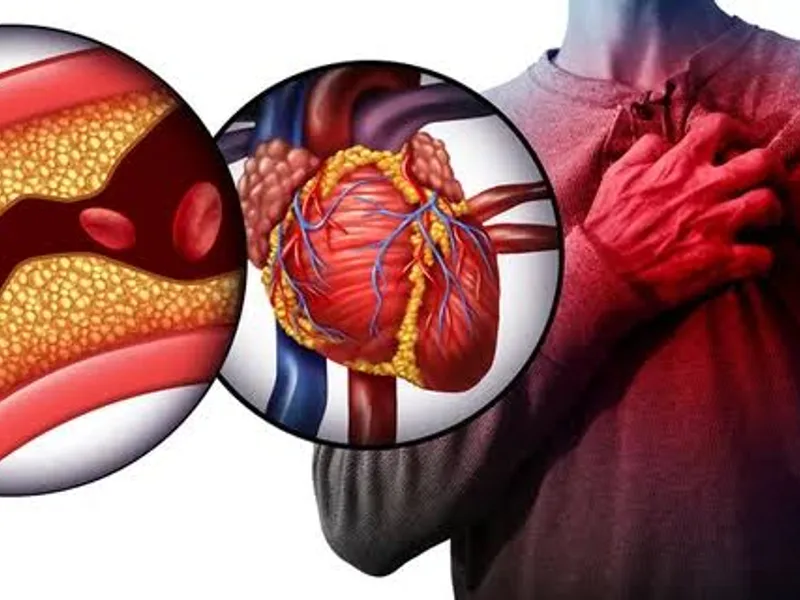
Cardiology Diseases encompass the vast spectrum of disorders that affect the cardiovascular system. As the medical field of cardiology advances, we are discovering more about the complex interplay between genetics, lifestyle, and heart health. From structural defects present at birth to age-related wear and tear, cardiology diseases cover a wide array of conditions. This guide serves as a deep dive into the various diseases treated by cardiologists, helping you understand the symptoms, diagnostic tools, and advanced treatments available today.
What is Cardiology Diseases?
The term "Cardiology Diseases" is often used interchangeably with cardiovascular diseases but places a specific emphasis on the medical conditions of the heart itself. These diseases can be classified into four main categories:
Coronary Artery Disease: Blockage of the heart's blood supply.
Heart Rhythm Disorders (Arrhythmias): Abnormal electrical activity.
Structural Heart Disease: Issues with valves, muscles, or congenital defects.
Heart Failure: The heart's inability to pump effectively.
How the Heart and Blood Vessels Work
The heart functions through a synchronized effort of mechanical pumping and electrical signaling.
Mechanical: The valves open and close to direct blood flow through the four chambers (Right Atrium, Right Ventricle, Left Atrium, Left Ventricle).
Electrical: The SA node (natural pacemaker) sends an impulse causing the atria to contract. The signal travels to the AV node and down to the ventricles, causing them to pump.
In Disease: In cardiology diseases, any part of this system can fail. The electrical wires can fray (arrhythmia), the pipes can clog (CAD), or the pump motor can weaken (heart failure).
Major Causes
The etiology of cardiology diseases is multifaceted.
Lifestyle: Poor diet, smoking, and lack of exercise are the leading causes.
Autoimmune Conditions: Rheumatic fever, Lupus, or Rheumatoid Arthritis can attack heart tissues. In these cases, a Rheumatologist might work closely with a cardiologist to manage the underlying cause.
Infection: Viral or bacterial infections like endocarditis can damage the heart lining or valves.
Drug Side Effects: Certain chemotherapy drugs can damage the heart muscle.
Risk Factors
Risk factors are cumulative. The more you have, the higher your risk.
Age: Risk increases significantly after age 55.
Gender: Men are at higher risk earlier in life; women's risk increases after menopause.
Chronic Conditions: Diabetes, obesity, and metabolic syndrome.
Family History: Genetic predisposition to arrhythmias or high cholesterol.
Symptoms to Watch For
Symptoms vary widely depending on the specific disease.
Coronary Disease: Chest pain (angina), especially during exertion.
Arrhythmias: Palpitations, racing heartbeat, or a "flip-flop" sensation in the chest.
Valve Disease: Shortness of breath that gets worse when lying flat, abdominal swelling.
Heart Failure: Persistent coughing or wheezing, white or pink blood-tinged phlegm.
Emergency Warning Signs
Time is heart muscle. Call for help if you notice:
Sudden, severe chest pain.
Fainting or loss of consciousness.
Sudden severe shortness of breath.
Diagnostic Tests
Modern cardiology relies heavily on advanced imaging and monitoring.
Blood Tests
Biomarkers help diagnose active heart issues.
BNP: Diagnoses heart failure severity.
Troponin: Detects heart muscle damage.
Lipid Panel: Assesses cholesterol risks.
ECG
The ECG is the most fundamental test in cardiology. It records the timing and strength of electrical signals as they travel through the heart. It is the primary tool for diagnosing arrhythmias and past heart attacks.
Imaging Tests
Cardiac MRI: Uses magnetic fields to create detailed 3D images of the heart's structure and function without radiation.
CT Angiography: A non-invasive way to see coronary arteries.
Transesophageal Echocardiogram (TEE): A detailed ultrasound where the probe is passed down the esophagus to get a clear view of the heart behind the lungs.
Treatment Options
Treatment is highly individualized based on the specific cardiology disease.
Medications
Anticoagulants: Prevent clots (common in atrial fibrillation).
Statins: Lower cholesterol to slow plaque progression.
Beta-Blockers: Reduce heart rate and workload.
Medical Procedures
For structural or severe functional issues, intervention is needed.
TAVR (Transcatheter Aortic Valve Replacement): Replacing a narrowed aortic valve without open-heart surgery.
ICD (Implantable Cardioverter Defibrillator): A device that shocks the heart back into rhythm if it stops beating correctly.
Cardiac Catheterization: Used to both diagnose and treat blockages.
Lifestyle Changes for Better Heart Health
Prevention is the best treatment for cardiology diseases.
Maintain a Healthy Weight: Obesity is the root cause of many cardiac issues.
Quit Smoking: This is the single most effective intervention.
Limit Alcohol: Excessive alcohol can trigger arrhythmias.
Diet Plan Recommendations
Nutrition plays a central role in managing all types of cardiology diseases.
Plant-Forward: Focus on fruits, vegetables, nuts, and seeds.
Whole Grains: Choose quinoa, brown rice, and oats.
Lean Proteins: Chicken, turkey, and fish.
Avoid Trans Fats: These are the worst offenders for heart health.
Exercise Guidelines
Exercise is medicine, but the prescription varies by disease.
Aerobic Training: Essential for coronary artery disease and heart failure.
Avoid High-Intensity Interval Training (HIIT): For those with certain arrhythmias, high intensity can be dangerous.
Warm-up and Cool-down: Essential to prevent sudden strain on the heart.
Long-Term Complications
Without proper management, cardiology diseases can lead to:
Sudden Cardiac Arrest: The heart stops beating without warning.
Chronic Heart Failure: Progressive inability of the heart to pump.
Peripheral Artery Disease: Narrowing of blood vessels in the limbs.
Prevention Tips
Regular Screenings: Know your numbers (BP, cholesterol, blood sugar).
Manage Stress: Chronic stress is a major contributor to heart disease.
Oral Hygiene: Gum disease is linked to endocarditis.
FAQs
What is the difference between a cardiologist and a cardiac surgeon?
Cardiologists diagnose and treat heart conditions using medications and non-surgical procedures (like catheterization). Cardiac surgeons perform operations like bypass surgery or valve replacements.
Can heart disease be reversed?
Lifestyle changes can stop the progression of atherosclerosis and even improve heart function in some cases of heart failure.
Where can I find expert care for valve disease?
If you are looking for top-tier care for complex structural heart issues, you should seek out the Best Hospital for Cardiology Diseases in Kolkata where advanced surgical and non-surgical teams work together.
Final Thoughts
The field of cardiology has made incredible strides in treating diseases that were once fatal. From minimally invasive valve replacements to advanced pacemakers, there are solutions available. The key is awareness—understanding the risks and symptoms ensures that you get the right help at the right time. Prioritize your heart health today.