Cardiovascular Disease: Understanding Your Heart and Blood Vessels
Cardiovascular disease (CVD) is the world’s number one killer. It encompasses a broad range of disorders affecting the heart and blood vessels, including coronary heart disease, stroke, peripheral arterial disease, and heart failure. According to the World Health Organization, CVD claims approximately 17.9 million lives annually.
Understanding cardiovascular disease empowers patients, families, and communities to take control of their heart health. This comprehensive guide explains CVD in clear, accessible language and outlines the best steps for prevention, diagnosis, and treatment.
What Is Cardiovascular Disease?
Cardiovascular disease is a group of conditions affecting the heart and blood vessels. The cardiovascular system is responsible for continuously pumping blood, delivering oxygen and nutrients to every cell in the body. When any part of this system is damaged or dysfunctional, the consequences can be severe.
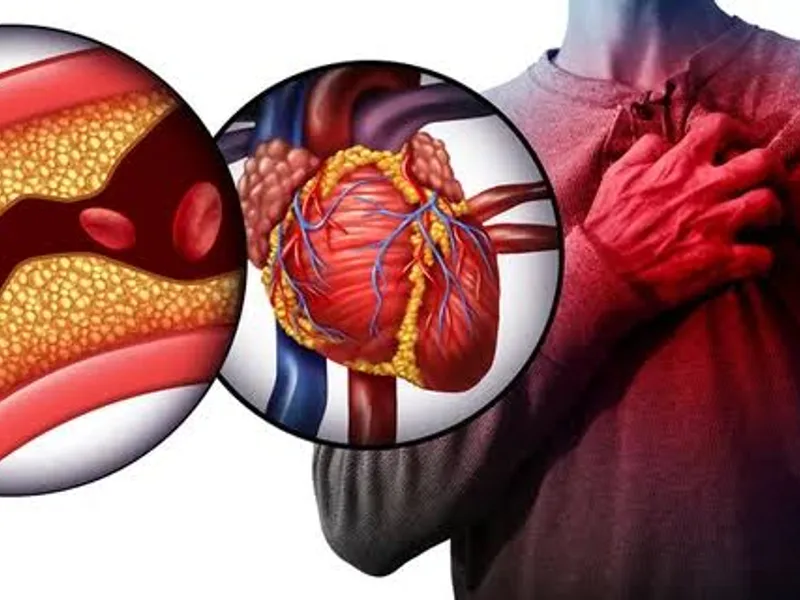
The most common form is atherosclerotic cardiovascular disease, caused by the gradual buildup of fatty deposits (plaques) inside the walls of arteries. Over time, these plaques harden, narrow the arteries, and restrict blood flow — a process that can ultimately lead to heart attacks or strokes.
How the Cardiovascular System Is Affected
The cardiovascular system consists of the heart, arteries, veins, and capillaries. CVD can affect this system in multiple ways.
• Atherosclerosis: Plaque accumulation stiffens and narrows arteries, increasing blood pressure and clot risk.
• Thrombosis: Blood clots form on plaques; if they break off, they cause heart attacks or strokes.
• Myocardial infarction: Complete blockage of a coronary artery causes heart muscle death.
• Stroke: A clot or ruptured blood vessel in the brain cuts off oxygen supply.
• Heart failure: The heart loses its ability to pump blood efficiently.
• Peripheral arterial disease: Narrowed arteries reduce circulation to limbs.
Causes and Risk Factors
Modifiable Risk Factors
• High blood pressure (hypertension)
• High LDL cholesterol and low HDL cholesterol
• Type 2 diabetes and insulin resistance
• Smoking and tobacco use
• Obesity and physical inactivity
• Unhealthy diet high in saturated fat, salt, and sugar
• Excessive alcohol consumption
Non-Modifiable Risk Factors
• Age: Risk increases significantly after 45 in men and 55 in women.
• Genetics and family history of early heart disease
• Male sex (though women’s risk increases sharply after menopause)
• Ethnicity: South Asians and African-Americans face disproportionate risk
Early Warning Signs
• Chest pain or discomfort (angina) triggered by activity
• Shortness of breath with moderate physical exertion
• Unexplained, persistent fatigue
• Heart palpitations or irregular heartbeat
• Swelling in the legs or ankles (edema)
• Sudden dizziness or near-fainting spells
• Cold or numb extremities (peripheral artery disease)
Common Symptoms
Coronary Artery Disease
• Stable angina: Predictable chest pain during exertion.
• Unstable angina: Unpredictable, increasing chest pain at rest.
• Myocardial infarction: Sudden, severe chest pain lasting 20+ minutes.
Heart Failure
• Breathlessness on exertion and at rest
• Ankle and leg swelling
• Persistent dry cough
• Inability to lie flat without breathlessness
Stroke
• Sudden facial drooping, arm weakness, or speech difficulty (FAST acronym)
• Sudden severe headache
• Vision disturbances
Stages of Cardiovascular Disease
• Stage 1 – Risk Factor Accumulation: No symptoms but cardiovascular risk factors present.
• Stage 2 – Asymptomatic CVD: Structural changes (plaques) detectable on imaging.
• Stage 3 – Symptomatic CVD: Angina, shortness of breath, or TIA symptoms emerge.
• Stage 4 – Acute Events: Heart attack, stroke, or acute heart failure.
• Stage 5 – Chronic CVD: Post-event management; ongoing heart failure or recurrent angina.
How Doctors Diagnose the Condition
• Blood pressure measurement
• Fasting lipid panel: Total cholesterol, LDL, HDL, triglycerides.
• Blood glucose and HbA1c for diabetes screening
• ECG: Baseline and stress ECG for cardiac function.
• Echocardiogram: Assessment of heart structure and ejection fraction.
• Coronary CT angiography: Non-invasive imaging of coronary arteries.
• Coronary angiogram: Gold standard invasive test for coronary artery blockages.
Seeing a Cardiologist at the earliest sign of cardiovascular symptoms is strongly recommended. Comprehensive evaluation can detect disease before a life-threatening event occurs and guide personalized prevention strategies.
Available Treatment Options
Medications
• Antihypertensives: ACE inhibitors, ARBs, calcium channel blockers, beta-blockers.
• Statins: Reduce LDL cholesterol and stabilize plaques.
• Antiplatelet drugs: Aspirin, clopidogrel — prevent blood clot formation.
• Anticoagulants: Warfarin, rivaroxaban — prevent clots in atrial fibrillation.
• Diuretics: Manage fluid overload in heart failure.
• Nitrates: Relieve angina by dilating coronary vessels.
Surgical Interventions
For severe coronary blockages, doctors may recommend Coronary Angioplasty with stent placement. For more complex multi-vessel disease, CABG (Coronary Artery Bypass Grafting) surgery creates new blood pathways around blocked arteries.
Cardiac Rehabilitation
Structured rehabilitation programs after cardiac events combine exercise training, dietary counseling, psychological support, and education to accelerate recovery and reduce recurrence.
Lifestyle Management
• Quit smoking: Risk begins to decline within 24 hours of cessation.
• DASH or Mediterranean diet: Proven to reduce CVD mortality.
• Weight management: Even a 5–10% weight loss significantly reduces cardiac risk.
• Limit sodium: Keep daily intake below 2,300 mg.
• Regular aerobic exercise: 30 minutes most days of the week.
• Mental health management: Depression and anxiety independently increase CVD risk.
Daily Living Tips for Patients
• Take medications at the same time daily and never stop without medical advice.
• Use a home blood pressure cuff to monitor readings regularly.
• Keep a heart health diary: record BP, weight, symptoms, and activities.
• Prepare meals at home to control ingredient quality and sodium levels.
• Join a cardiac support group for motivation and shared experience.
Complications if Left Untreated
• Myocardial infarction (heart attack)
• Stroke or transient ischemic attack (TIA)
• Congestive heart failure
• Kidney disease from reduced blood flow
• Peripheral artery disease and limb amputation
• Sudden cardiac death
Early and sustained treatment at a multispecialty hospital in Kolkata with advanced cardiac care units significantly reduces the risk of these life-threatening complications.
Prevention and Risk Reduction
• Begin cardiovascular screening at 35 (or earlier with risk factors).
• Achieve and maintain a healthy BMI (18.5–24.9).
• Control blood pressure below 130/80 mmHg.
• Keep LDL cholesterol below 100 mg/dL (or below 70 for high-risk patients).
• Manage diabetes aggressively with HbA1c below 7%.
• Avoid prolonged sitting; incorporate standing and walking breaks throughout the day.
Frequently Asked Questions (FAQs)
1. What is the difference between heart disease and cardiovascular disease?
Heart disease refers specifically to conditions affecting the heart. Cardiovascular disease is broader, encompassing both the heart and blood vessels, including stroke and peripheral artery disease.
2. Can young people get cardiovascular disease?
Yes. While risk increases with age, young adults with obesity, diabetes, hypertension, or genetic predispositions can develop CVD. Sedentary lifestyles and poor diets in youth are contributing to earlier onset globally.
3. What cholesterol level is dangerous for cardiovascular disease?
An LDL cholesterol level above 160 mg/dL is generally considered high risk. For patients with existing CVD or diabetes, most cardiologists target LDL below 70 mg/dL.
4. Is cardiovascular disease reversible?
Early atherosclerosis can be slowed or partially reversed through aggressive lifestyle changes and statin therapy. Advanced disease with severe blockages typically requires interventional procedures.
5. How does diabetes increase cardiovascular disease risk?
High blood sugar damages the inner lining of blood vessels, accelerating atherosclerosis, increasing inflammation, and raising the risk of clot formation. Diabetics are 2–4 times more likely to develop CVD.
6. What is the FAST method for stroke recognition?
FAST stands for Face drooping, Arm weakness, Speech difficulty, and Time to call emergency services. Recognizing these signs and acting immediately can save lives and prevent permanent disability.
7. Can stress medications cause cardiovascular side effects?
Some medications used for stress or psychiatric conditions can affect heart rhythm and blood pressure. Always inform your cardiologist about all medications you are taking, including psychiatric drugs.
8. How does air pollution affect cardiovascular health?
Particulate matter in air pollution enters the bloodstream and promotes inflammation, hypertension, and atherosclerosis. People living in polluted urban environments face meaningfully higher CVD risk.
9. Are eggs bad for cardiovascular disease?
Current evidence suggests that moderate egg consumption (up to one per day) does not significantly increase CVD risk for most people. The overall dietary pattern matters more than any single food.
10. What exercises are safe after a cardiovascular event?
Walking, gentle cycling, and supervised cardiac rehabilitation exercises are typically recommended. High-intensity activities should be cleared by a cardiologist before resuming.
Conclusion
Cardiovascular disease remains the leading cause of premature death worldwide, but the vast majority of cases are preventable. The combination of healthy lifestyle habits, regular health screening, timely medical care, and appropriate treatment can dramatically reduce the impact of CVD on individuals and communities.
Take your heart health seriously today. Speak with a healthcare professional, know your risk factors, and make the daily choices that protect your heart for decades to come.