Celiac Disease: Understanding the Immune Response, Symptoms, and Living Gluten-Free
Introduction
Celiac disease is one of the most misunderstood autoimmune conditions affecting millions of people worldwide. Often confused with gluten sensitivity or wheat allergy, celiac disease is a serious immune-mediated disorder that can wreak havoc on your digestive system — and far beyond it. The encouraging news is that with the right knowledge, early diagnosis, and lifestyle adjustments, people with celiac disease can live full, healthy, vibrant lives. This comprehensive guide breaks down everything you need to know in clear, easy-to-understand language.
What is Celiac Disease?
Celiac disease is a chronic autoimmune disorder in which the ingestion of gluten — a protein found in wheat, barley, and rye — triggers an abnormal immune response that damages the lining of the small intestine. This damage impairs the body's ability to absorb nutrients from food, leading to a cascade of health complications. Globally, celiac disease affects roughly 1 in 100 people, though many cases remain undiagnosed for years or even decades.
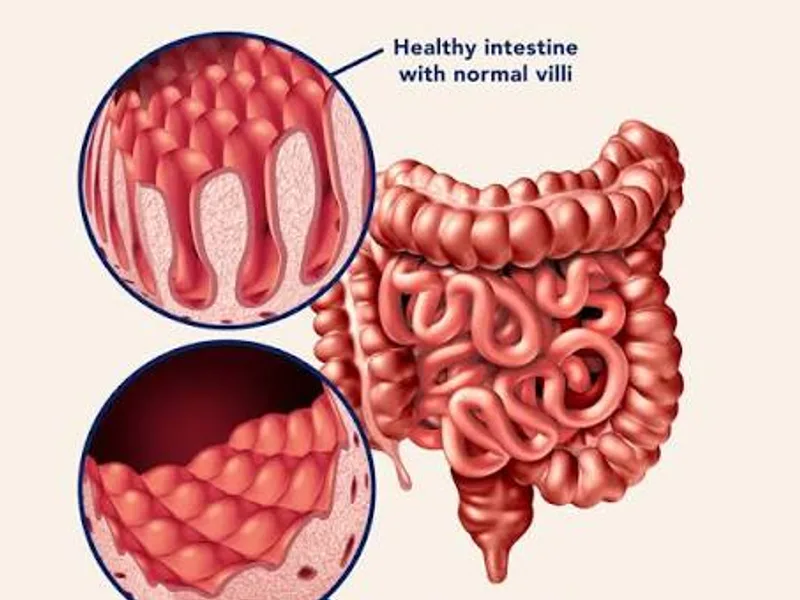
Unlike a food allergy that causes immediate symptoms, celiac disease involves a complex, long-term immune process that silently erodes the intestinal villi — tiny, finger-like projections that help absorb nutrients. The result is malabsorption, nutritional deficiencies, and widespread systemic effects.
How the Immune System Normally Works
Your immune system is your body's defense force — an intricate network of cells, proteins, and organs designed to identify and destroy harmful invaders like bacteria, viruses, and toxins. When you eat food, your immune system is trained to recognize food proteins as harmless and allow digestion to proceed without interference. This is called immune tolerance.
In a healthy gut, the intestinal lining acts as a selective barrier. It allows nutrients to pass into the bloodstream while blocking harmful substances. Immune cells in the gut lining monitor everything that crosses this barrier and maintain a careful balance between defense and tolerance.
What Goes Wrong in Celiac Disease
In celiac disease, this tolerance breaks down. When gluten enters the small intestine, the immune system mistakenly identifies it as a dangerous invader. It launches a full-scale attack — not just against the gluten, but against the intestinal tissue itself. This self-destructive response is the hallmark of autoimmunity.
Specifically, an enzyme called tissue transglutaminase (tTG) modifies gluten fragments, making them more immunogenic. The immune system produces antibodies against both the gluten fragments and the tTG enzyme. CD4+ T cells become activated and trigger inflammation, causing the blunting and eventual destruction of the intestinal villi. Without healthy villi, the intestine loses its ability to absorb iron, calcium, folate, and other essential nutrients.
Causes and Triggers
Celiac disease develops from a combination of genetic predisposition and environmental triggers. No single factor is solely responsible.
• Gluten consumption is the primary and direct trigger
• Genetic mutations in HLA-DQ2 or HLA-DQ8 genes are present in nearly all celiac patients
• Gut infections, particularly in infancy or early childhood, may predispose individuals
• Infant feeding practices and the timing of gluten introduction
• Gut microbiome imbalances that affect immune regulation
Genetic and Environmental Factors
If a first-degree relative (parent, sibling, or child) has celiac disease, your risk increases to about 10%. However, having the HLA-DQ2 or HLA-DQ8 gene alone is not enough to develop the disease — roughly 30–40% of the general population carries these genes, but only a small fraction ever develops celiac disease. Environmental factors like repeated gut infections, use of antibiotics, and even stress are believed to play a role in 'switching on' the disease in genetically susceptible individuals.
Symptoms and Warning Signs
Celiac disease is notorious for its diverse and often misleading symptom profile. While many people associate it with digestive complaints, celiac disease can affect virtually every system in the body.
Digestive symptoms include chronic diarrhea or constipation, bloating and abdominal pain, nausea and vomiting, and pale, foul-smelling stools. Non-digestive symptoms are equally important and frequently overlooked: fatigue and brain fog, iron-deficiency anemia, bone pain and osteoporosis, skin rash (dermatitis herpetiformis), mouth ulcers, depression and anxiety, joint pain, infertility, and delayed growth in children. Some individuals — particularly adults — experience 'silent celiac disease' with no obvious symptoms despite active intestinal damage.
Diagnosis Process
Diagnosing celiac disease requires a combination of blood tests and intestinal biopsy. It is critical that patients continue eating gluten during the diagnostic process, as removing gluten beforehand can cause false-negative results. Initial blood tests look for elevated levels of anti-tTG IgA and anti-endomysial antibodies. If blood tests are positive, a gastroenterologist performs an upper endoscopy to take biopsies from the small intestine. For a confirmed diagnosis, a Gastroenterologist review of intestinal tissue showing villous atrophy is required. Genetic testing for HLA-DQ2/DQ8 may also be performed to rule out celiac disease in borderline cases.
Treatment Options
Currently, the only effective treatment for celiac disease is a strict, lifelong gluten-free diet. There are no approved medications specifically for celiac disease, though several are under clinical investigation. Once gluten is eliminated, the intestinal lining begins to heal, often within weeks to months in children and 1–2 years in adults. If you are receiving treatment at one of the Best Hospitals for Celiac Disease, your care team will typically include a gastroenterologist, dietitian, and other specialists. In some cases, an Endoscopy may be repeated after 1–2 years of a gluten-free diet to confirm healing of the intestinal lining.
Diet and Nutrition Recommendations
The gluten-free diet is the cornerstone of celiac management. Foods containing wheat, barley, rye, and sometimes oats (due to cross-contamination) must be strictly avoided. Safe grains include rice, quinoa, corn, millet, buckwheat, and certified gluten-free oats. Focus on naturally gluten-free whole foods: fruits, vegetables, lean meats, fish, legumes, nuts, and seeds. Read labels carefully — gluten hides in sauces, soups, dressings, processed meats, and many packaged foods. Nutritional supplementation is often necessary, particularly for iron, calcium, vitamin D, folate, and B12 in the early stages of recovery.
Daily Lifestyle Management
Managing celiac disease goes beyond what's on your plate. Prevent cross-contamination by using separate cookware, utensils, and toasters. When eating out, communicate your dietary needs clearly to restaurant staff. Travel with safe snacks and research gluten-free options ahead of time. Join celiac disease support communities for shared experiences and practical tips. Regular follow-up appointments with your healthcare team are essential to monitor nutritional levels and intestinal healing.
Mental Health Impact
Living with celiac disease can take a significant psychological toll. Social situations involving food — meals with friends, celebrations, travel — can feel isolating or anxiety-provoking. Studies show higher rates of depression, anxiety, and reduced quality of life among people with celiac disease, particularly in the early post-diagnosis period. Mental health support, including therapy or counseling, can be highly beneficial. Many patients report that connecting with others who have celiac disease and mastering gluten-free cooking significantly improves their emotional well-being.
Possible Complications
Untreated or poorly managed celiac disease can lead to serious long-term complications including osteoporosis and fractures due to calcium malabsorption, infertility and pregnancy complications, neurological issues such as peripheral neuropathy and ataxia, increased risk of intestinal lymphoma and other GI cancers, and refractory celiac disease that does not respond to a gluten-free diet. Early diagnosis and strict adherence to a gluten-free diet are the best ways to prevent these outcomes.
Living Well with Celiac Disease
Thousands of people with celiac disease live full, active, and joyful lives. The key is education, preparation, and consistency. Invest time in learning to read labels, build a repertoire of safe, delicious recipes, and advocate for yourself in medical and social settings. With a growing global awareness of celiac disease, gluten-free options are more widely available than ever before. Many people describe the gluten-free transition as ultimately improving their overall diet quality and health.
Frequently Asked Questions
Can I outgrow celiac disease?
No. Celiac disease is a lifelong condition. Even if symptoms disappear, gluten continues to cause intestinal damage.
Is gluten sensitivity the same as celiac disease?
No. Non-celiac gluten sensitivity causes symptoms but does not produce the same immune response or intestinal damage seen in celiac disease.
Can children have celiac disease?
Yes. Celiac disease can develop at any age, including infancy. An Endocrinologist or pediatric gastroenterologist can guide pediatric diagnosis and management.
How long does intestinal healing take?
In children, healing may occur within months. In adults, full mucosal recovery can take 1–3 years of strict gluten-free eating.
Conclusion
Celiac disease is a serious but entirely manageable autoimmune condition. The immune system's mistaken attack on the intestine in response to gluten can cause widespread harm — but with an accurate diagnosis and a committed gluten-free lifestyle, the damage can be reversed and further complications prevented. If you suspect you may have celiac disease, don't wait. Seek professional evaluation, get tested, and take the first step toward a healthier, symptom-free life.