Chronic Kidney Disease
Introduction
Your kidneys are the silent engineers of your body. Every day, they filter about 200 quarts of blood to sift out about 2 quarts of waste products and excess water. When these bean-shaped organs stop working properly, waste builds up in the blood, causing a condition known as Chronic Kidney Disease (CKD).
Chronic Kidney Disease is a gradual loss of kidney function over time. It affects millions of people, and because symptoms often don't appear until significant damage has occurred, many people don't know they have it. While CKD is a serious condition, understanding its causes and catching it early can significantly slow its progression, delaying or preventing kidney failure.
What is Chronic Kidney Disease?
Chronic Kidney Disease is defined as the presence of kidney damage, indicated by albuminuria (protein in the urine) or decreased kidney function (reduced glomerular filtration rate), for three months or more.
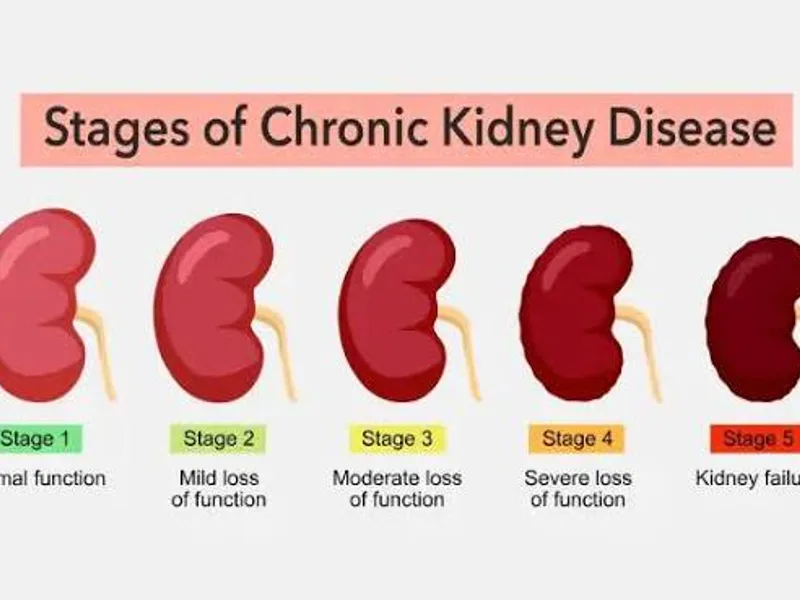
It is divided into five stages (Stage 1 to Stage 5). Stage 1 is mild kidney damage with normal function, while Stage 5 is End-Stage Renal Disease (ESRD), where the kidneys have nearly or completely stopped working. At this stage, dialysis or a kidney transplant is required to keep the patient alive. CKD is distinct from Acute Kidney Injury, which happens suddenly.
How the Immune System Normally Works
The kidneys contain specialized filtration units called glomeruli. These are tiny blood vessels that act as sieves, allowing waste to pass while keeping blood cells and protein inside the body.
Normally, the immune system monitors the kidneys but does not attack them. The kidneys filter the blood, removing immune complexes (clumps of antibodies) that form during infections. The kidney cells are protected by anti-inflammatory molecules that prevent the immune system from seeing them as a threat. It is a symbiotic relationship where the kidneys clean the blood, and the immune system protects the kidneys.
What Goes Wrong in This Disease
In CKD, the damage is often caused by other conditions that put stress on the kidneys, but the immune system plays a complex role.
Inflammation: Conditions like high blood pressure and diabetes cause mechanical stress on the glomeruli. This stress triggers inflammation. Immune cells release chemicals that attempt to repair the tissue but eventually lead to scarring.
Autoimmune Attack: In diseases like Lupus, the immune system directly attacks the kidney tissue (Glomerulonephritis). The antibodies clump in the glomeruli, causing severe inflammation that destroys the filters.
Scarring: Once kidney tissue is scarred (fibrosis), it cannot regenerate. The remaining healthy nephrons have to work harder, which eventually leads to their burnout and failure.
Causes and Triggers
The two most common causes of CKD are Diabetes and High Blood Pressure. Together, they account for up to two-thirds of cases.
Diabetes: High blood sugar levels damage the millions of tiny filtering units in the kidneys.
Hypertension: High blood pressure damages the blood vessels in the kidneys, reducing their ability to filter blood.
Glomerulonephritis: Inflammation of the kidney's filtering units, often caused by autoimmune diseases.
Polycystic Kidney Disease: A genetic disorder where cysts grow in the kidneys, crowding out healthy tissue.
Prolonged Obstruction: Kidney stones or enlarged prostate blocking urine flow can damage kidneys.
Genetic and Environmental Factors
Genetics plays a major role. Polycystic Kidney Disease (PKD) is inherited. If one parent has the dominant form, there is a 50% chance the child will inherit it. Other genetic factors make people more susceptible to kidney damage from diabetes or hypertension.
Environmental factors like smoking, obesity, and exposure to heavy metals or toxins accelerate kidney damage. Lifestyle choices directly impact the two biggest triggers: diabetes and blood pressure. A diet high in sodium and processed foods is a major environmental driver of CKD.
Symptoms and Warning Signs
In early stages (1-3), CKD is often silent. Symptoms usually appear in later stages (4-5).
Fatigue: A tired feeling that doesn't go away; caused by anemia (kidneys make erythropoietin, which stimulates red blood cell production).
Swelling (Edema): Swelling in legs, ankles, feet, or face, caused by fluid retention.
Changes in Urination: Urinating more or less than usual, especially at night.
Foamy Urine: Excess protein (albumin) in the urine makes it look foamy or bubbly.
Nausea and Loss of Appetite: Buildup of waste products (uremia) in the blood.
Diagnosis Process
CKD is usually diagnosed via blood and urine tests.
GFR Test: A blood test to estimate Glomerular Filtration Rate. This is the best indicator of kidney function.
Urine Albumin Test: Checking for protein leakage in the urine.
Imaging: Ultrasound to look for kidney size, stones, or cysts.
Because CKD is often caused by diabetes, treatment involves managing the underlying condition. A Endocrinologist is often involved to manage blood sugar, which is the primary cause of kidney failure.
Treatment Options
The goal of treatment is to slow the progression and prevent complications.
Blood Pressure Control: ACE inhibitors or ARBs are preferred drugs as they protect the kidneys.
Diabetes Management: Tight control of blood sugar is essential to prevent further damage.
Dietary Changes: Restricting protein, sodium, potassium, and phosphorus.
Dialysis: In ESRD (Stage 5), a machine filters the blood (hemodialysis) or the lining of the abdomen filters the blood (peritoneal dialysis).
Kidney Transplant: The best option for ESRD, replacing the failed organ with a healthy donor kidney.
Diet and Nutrition Recommendations
A kidney-friendly diet reduces the workload on the kidneys.
Limit Sodium: Salt causes fluid retention and high blood pressure, which hurts the kidneys.
Monitor Protein: While protein is needed, too much protein creates waste that the kidneys must filter.
Limit Potassium and Phosphorus: Damaged kidneys cannot remove these minerals, which can lead to dangerous heart rhythm issues and bone damage.
Fluid Control: In advanced stages, fluid intake may need to be restricted to prevent swelling.
Daily Lifestyle Management
Living with CKD means protecting the remaining kidney function.
Quit Smoking: Smoking slows blood flow to the kidneys and worsens heart disease.
Exercise: Regular physical activity helps control blood pressure and weight.
Avoid Nephrotoxins: Avoid NSAIDs (ibuprofen, naproxen) unless prescribed, as these can harm kidneys.
Regular Monitoring: Frequent blood tests are needed to track GFR and electrolyte levels.
Mental Health Impact
The burden of dialysis and the fear of organ failure can cause severe anxiety and depression. Patients often feel a loss of control over their lives. Dialysis is time-consuming and can be isolating. Mental health counseling and support groups for kidney patients are essential to maintain morale.
Possible Complications
CKD affects the whole body.
Cardiovascular Disease: This is the leading cause of death in CKD patients. The heart and kidneys are closely linked. Patients often need to see a Cardiologist to manage heart risks. In severe cases, blocked arteries may require procedures like Coronary Angioplasty or CABG Surgery.
Anemia: Lack of red blood cells.
Bone Disease: Weak bones that break easily.
Hyperkalemia: High potassium levels can stop the heart.
Living Well with Chronic Kidney Disease
A diagnosis of CKD changes your life, but it doesn't have to end it. With early intervention, many people live for years with CKD without needing dialysis. It requires discipline in diet and medication. For those with ESRD, transplant offers a return to near-normal life. You can seek advanced care at the Best Hospital for Chronic Kidney Disease where teams specialize in managing complex kidney conditions.
Frequently Asked Questions
Is Chronic Kidney Disease reversible?
In many cases, no. The damage is permanent. However, treatment can slow or stop progression, especially in early stages.
Can I drink alcohol with CKD?
Moderation is key. Alcohol can raise blood pressure and interact with medications. Always ask your doctor.
Does CKD cause pain?
Usually not. In Polycystic Kidney Disease, enlarged cysts can cause pain, but typical CKD is painless until late stages.
Will I definitely need dialysis?
Not everyone. If caught early and managed well, progression can be delayed for decades.
Where can I find specialized help?
You can visit the Best Hospital for Chronic Kidney Disease for comprehensive nephrology care.
Conclusion
The kidneys are resilient but vulnerable. Chronic Kidney Disease is a silent thief that steals function over time. However, by managing blood sugar and blood pressure—the two main drivers of kidney damage—you can protect these vital organs. Working closely with your medical team, including your Endocrinologist and Cardiologist, allows you to live well with CKD and prevent life-threatening complications.