Colostomy Surgery in Dhanbad: A Complete Guide for Patients and Families
Introduction
A colostomy is one of those medical terms that sounds frightening until you actually understand what it means and why it's done. For families in Dhanbad facing this recommendation — whether for a newborn with a congenital bowel condition, an adult dealing with bowel cancer, or someone recovering from a traumatic injury — the uncertainty is often harder than the surgery itself. This guide walks through what a colostomy actually involves, when it's needed, what it costs in Dhanbad, how recovery typically goes, and what questions to ask before choosing where to get treated.
Dhanbad has grown steadily as a healthcare hub for the Jharkhand coal belt, with several multi-specialty hospitals now offering general surgery, gastrointestinal surgery, and pediatric surgical care. If you're researching specialist doctors in Dhanbad for a colostomy procedure, it helps to first understand the medical basics so you can ask informed questions during your consultation, regardless of which surgeon or hospital you eventually choose.
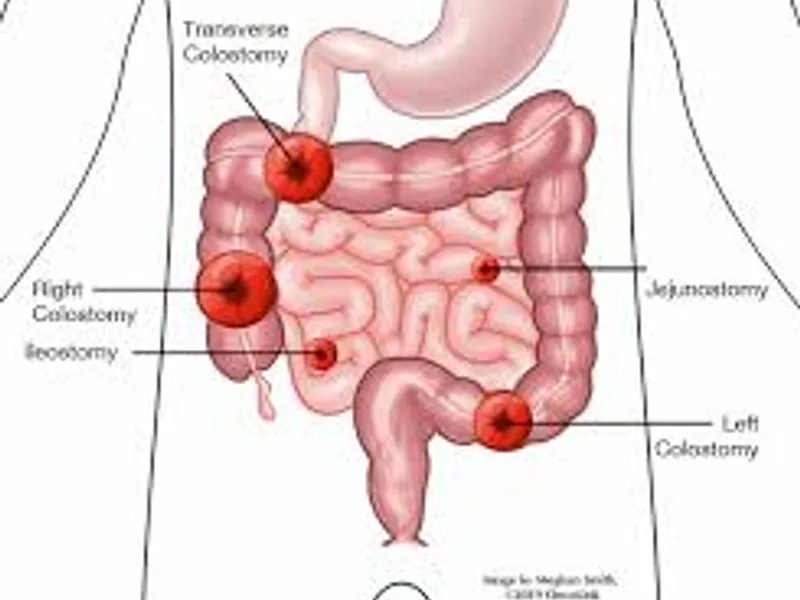
A colostomy is a surgical procedure that brings a portion of the large intestine (colon) through an opening made in the abdominal wall. The end of the colon is then stitched to the skin, creating what's called a "stoma." Stool that would normally pass through the rectum is instead diverted through this stoma into a collection pouch worn on the outside of the body. Colostomies can be temporary — giving an injured or diseased part of the bowel time to heal — or permanent, when the rectum or anus has been removed or cannot function.
People end up needing a colostomy for many different reasons. In adults, the most common causes include colorectal cancer, severe diverticulitis with perforation, inflammatory bowel disease (Crohn's disease or ulcerative colitis), traumatic bowel injury from accidents, and bowel obstruction. In infants and children, colostomies are often performed to manage congenital conditions such as Hirschsprung's disease or anorectal malformations, giving the digestive system a safe outlet while the child grows large enough for a corrective procedure.
Symptoms that often precede a colostomy recommendation depend heavily on the underlying cause, but commonly include severe abdominal pain, persistent constipation or inability to pass stool, rectal bleeding, unexplained weight loss, repeated bowel obstructions, or — in newborns — failure to pass meconium within the first 24-48 hours of life along with abdominal distension and vomiting.
Risk factors vary by patient group. In adults, risk factors for the underlying conditions that lead to colostomy include a family history of colorectal cancer, inflammatory bowel disease, a diet low in fiber and high in processed foods, smoking, obesity, and age over 50. In children, most causes are congenital and not linked to anything the parents did or didn't do — which is an important reassurance many families need to hear.
Left untreated, the conditions that necessitate a colostomy can become life-threatening. Bowel obstruction can lead to perforation and sepsis. Untreated colorectal cancer can spread to other organs. In infants, an unaddressed anorectal malformation or Hirschsprung's disease can cause severe enterocolitis, a dangerous infection of the intestines. This is why, even though the idea of a stoma can feel overwhelming, timely surgery is often what protects life and long-term health.
The good news is that early treatment generally leads to much better outcomes — shorter hospital stays, fewer complications, and in many cases the possibility of a "reversal" surgery later that restores normal bowel function. Delaying surgery, on the other hand, often means the underlying condition has more time to cause damage, making the eventual operation more complex and recovery longer.
If you're trying to plan financially and logistically for this procedure, it also helps to understand consultation fees, OPD timings, and treatment costs upfront. Most general surgeons and gastrointestinal surgeons in Dhanbad offer OPD consultations on weekdays, with consultation fees typically ranging from around ₹200 to ₹550 depending on the surgeon's experience and the hospital. Reading verified patient reviews before your first visit can also give you a sense of how a particular hospital handles communication, post-operative care, and emergency support — all of which matter a great deal when you're dealing with a stoma for the first time.
For appointments call 8877772277.
Average Colostomy Surgery Cost in Dhanbad
The cost of a colostomy in Dhanbad depends on several factors: whether it's an emergency or planned procedure, whether it's a loop colostomy or end colostomy, the hospital's facilities, the type of anesthesia used, and the length of hospital stay required. Below is a general cost guide based on typical pricing patterns at private and semi-private hospitals in the city.
Procedure | Cost Range | Hospital Stay |
|---|
Emergency loop colostomy (adult) | ₹35,000 – ₹70,000 | 5–8 days |
Planned/elective colostomy (adult) | ₹40,000 – ₹85,000 | 4–7 days |
Colostomy for cancer-related obstruction | ₹50,000 – ₹1,20,000 | 6–10 days |
Pediatric colostomy (Hirschsprung's/ARM) | ₹45,000 – ₹95,000 | 7–12 days |
Colostomy with additional bowel resection | ₹70,000 – ₹1,50,000 | 8–14 days |
Colostomy reversal surgery | ₹40,000 – ₹90,000 | 5–9 days |
Laparoscopic colostomy formation | ₹60,000 – ₹1,30,000 | 4–6 days |
Stoma care kit and follow-up dressing (monthly) | ₹1,500 – ₹4,000 | Outpatient |
A note on PMJAY (Ayushman Bharat): Many of the procedures listed above are covered, partially or fully, under the Pradhan Mantri Jan Arogya Yojana (PMJAY) for eligible families holding a valid Ayushman Bharat card. Coverage typically applies to general ward stays, surgical costs, and standard consumables at empanelled hospitals. It's worth asking the hospital's billing or insurance desk directly whether a specific procedure code is covered and whether the hospital is currently empanelled, since this can change the out-of-pocket cost dramatically — sometimes to nearly zero for the surgery itself.
Why a Colostomy Is Performed
There isn't a single reason doctors recommend a colostomy — it's a tool used across many different medical situations. Here are the most common scenarios where surgeons in Dhanbad and elsewhere consider it necessary:
Bowel obstruction — When the colon or rectum is blocked by a tumor, scar tissue, or twisted bowel (volvulus), a colostomy diverts stool away from the blockage while the underlying problem is treated.
Colorectal cancer — Tumors in the rectum or lower colon sometimes require removal of that section, and a colostomy allows the remaining bowel to heal or function in the absence of the rectum.
Diverticulitis with perforation — A severely infected or ruptured diverticulum (a small pouch in the colon wall) can leak stool into the abdominal cavity, requiring emergency surgery and a temporary colostomy to allow healing.
Inflammatory bowel disease — Severe, treatment-resistant Crohn's disease or ulcerative colitis sometimes requires removing a damaged section of bowel and creating a stoma, either temporarily or permanently.
Traumatic bowel injury — Road traffic accidents, falls, or penetrating injuries that damage the colon or rectum often require a temporary colostomy to protect the injury while it heals.
Congenital anorectal malformations in infants — Babies born without a properly formed anus need an immediate colostomy to allow safe passage of stool until corrective surgery can be performed, usually a few months later.
Hirschsprung's disease — In this condition, nerve cells are missing from part of the colon, preventing normal bowel movements. A colostomy diverts stool above the affected segment until the diseased portion can be surgically removed.
Radiation damage to the bowel — Patients who've had pelvic radiation for cancers like cervical or prostate cancer sometimes develop radiation proctitis severe enough to require diversion.
Anal sphincter damage or severe incontinence — In cases of severe fecal incontinence that doesn't respond to other treatments, a colostomy can significantly improve quality of life.
Fistulas connecting the bowel to other organs — Abnormal connections (fistulas) between the colon and bladder, vagina, or skin sometimes require temporary diversion to allow the fistula to heal.
Benefits of Colostomy Surgery
While no one looks forward to surgery, a colostomy — when medically indicated — offers real and often life-changing benefits:
Resolves life-threatening obstructions — Removes the immediate danger of a blocked or ruptured bowel, which can be fatal if untreated.
Allows the bowel to heal — Diverting stool away from an injured, infected, or recently operated section gives that tissue time to recover without the stress of digestive waste passing through it.
Reduces pain and discomfort — Many patients experience significant relief from chronic pain caused by obstruction, infection, or inflammation almost immediately after surgery.
Improves nutritional status — Once the digestive system can function again (even via a stoma), patients often regain the ability to eat normally, reversing weight loss and malnutrition.
Enables further treatment — For cancer patients, a colostomy can make it possible to safely undergo chemotherapy or radiation that would otherwise be too risky with an obstructed bowel.
Restores quality of life in incontinence cases — For patients with severe fecal incontinence, a well-managed stoma can be far more manageable and dignified than constant accidents.
Can be temporary — Many colostomies, especially those done for trauma, diverticulitis, or in infants, are reversible once the underlying issue is resolved, restoring normal bowel function later.
Reduces emergency hospital visits — Patients who previously suffered repeated obstructions or infections often find their overall health stabilizes once the stoma is in place.
Allows children to grow before complex repair — In pediatric cases, a colostomy buys time for the infant to grow stronger before undergoing more intricate reconstructive surgery, improving surgical outcomes.
Modern stoma care is far more manageable than people expect — Today's pouching systems are discreet, odor-controlled, and allow most patients to return to work, school, travel, and most daily activities within weeks.
Choosing the Right Surgeon in Dhanbad: What to Look For
Rather than recommending specific names, here's a practical checklist for evaluating any general surgeon, gastrointestinal surgeon, or pediatric surgeon in Dhanbad before you commit to a colostomy procedure. These are the questions and credentials that genuinely matter:
Qualifications to verify:
MBBS plus a postgraduate qualification in General Surgery (MS) or a relevant super-specialty (M.Ch in GI Surgery, Pediatric Surgery, or Surgical Oncology, depending on the cause)
Registration with the State Medical Council, which you can verify on request
For complex cases (cancer, congenital anomalies, repeat surgeries), look for additional fellowship training or hospital affiliations with tertiary referral centers
Questions worth asking at your first consultation:
Is this colostomy expected to be temporary or permanent, and what determines that?
What type of colostomy (loop vs. end) is being recommended, and why?
Will the procedure be done laparoscopically or as open surgery, and what does that mean for recovery time?
Who will provide stoma care training before discharge — is there a dedicated stoma care nurse?
What is the hospital's protocol for emergency complications after discharge?
Is the hospital empanelled under PMJAY/Ayushman Bharat for this procedure?
What is the realistic timeline for a reversal surgery, if applicable?
Hospital factors that affect outcomes:
Availability of an ICU, in case of post-operative complications
A dedicated stoma care unit or trained ostomy nurses (this matters enormously for recovery quality)
24-hour emergency contact and follow-up support
Clear, itemized billing, especially if you're relying on insurance or PMJAY coverage
Reading recent, verified patient reviews for any hospital or surgeon you're considering — and not just relying on overall star ratings — can give you a much clearer picture of how that team handles communication, post-operative complications, and follow-up care, which often matter more to patients than the surgery itself.
Recovery After Colostomy Surgery
Recovery from a colostomy happens in stages, and understanding what to expect at each phase can make the process feel far less overwhelming.
Immediate post-operative period (Days 1–5): Most patients spend the first few days in the hospital under observation. Pain is managed with medication, and a nasogastric tube may be used initially to rest the digestive system. The stoma itself will look swollen and possibly slightly bruised in the first days — this is completely normal and the swelling reduces significantly over the following weeks. A stoma nurse will typically begin teaching pouch-changing techniques even before discharge.
Early home recovery (Weeks 1–3): Once home, the focus is on wound care, managing the stoma, and gradually returning to light activities. Most patients are advised to avoid heavy lifting (generally anything over 4-5 kg), strenuous exercise, and driving for at least 2-4 weeks, depending on whether the surgery was open or laparoscopic.
Diet during recovery: In the first 1-2 weeks, a low-fiber, easily digestible diet is usually recommended — think soft rice, khichdi, boiled vegetables, curd, and plenty of fluids. Foods known to cause gas or blockage (like raw cabbage, corn, nuts, and seeds) are typically introduced slowly and one at a time, so patients can identify what their system tolerates well. Staying well-hydrated is especially important for colostomy patients, since fluid loss through the stoma can be higher than through normal bowel movements, particularly with certain types of colostomy.
Restrictions to be aware of:
Avoid heavy lifting and strenuous core exercises for at least 6 weeks, or as advised by the surgeon
Avoid swimming or submerging the stoma area until the wound is fully healed and cleared by the surgeon
Loose, comfortable clothing around the abdomen is preferable to tight waistbands during early recovery
Travel is generally fine after the initial recovery period, but patients should carry extra stoma supplies and know how to manage pouch changes on the go
Follow-up schedule: Typically, the first follow-up visit is around 1-2 weeks after discharge to check the surgical wound and stoma site. Further visits are usually scheduled at 4-6 weeks, and then periodically depending on whether the colostomy is temporary (with a reversal planned) or permanent. For temporary colostomies, reversal surgery is often considered anywhere from 8 weeks to 6 months later, depending on how well the original surgical site has healed and the patient's overall recovery.
Warning signs that need urgent medical attention:
The stoma turning dark red, purple, or black (a sign of reduced blood supply)
Persistent or worsening abdominal pain, fever, or chills
No output from the stoma for more than 4-6 hours along with cramping and vomiting (possible blockage)
Excessive bleeding from the stoma or surrounding skin
Signs of infection at the surgical site — increasing redness, warmth, swelling, or discharge
Persistent diarrhea leading to dehydration (dizziness, dry mouth, reduced urination)
Any of these symptoms warrant an immediate call to your surgical team or a visit to the emergency department — don't wait for a scheduled follow-up appointment.
Risks and Complications
As with any major surgery, colostomy formation carries risks. Being aware of them isn't meant to cause alarm — it's meant to help patients and families recognize problems early, when they're most treatable.
Stoma retraction — The stoma sinks below skin level, making it harder to fit a pouch securely and increasing the risk of leakage and skin irritation.
Parastomal hernia — A bulge of intestine pushes through the abdominal wall muscle near the stoma, sometimes requiring surgical repair.
Stoma prolapse — Part of the intestine protrudes further than normal through the stoma opening, which can sometimes be managed conservatively but occasionally needs correction.
Skin irritation around the stoma — Caused by stool leaking under the pouch seal; manageable with proper fitting and barrier creams but can become uncomfortable if untreated.
Stoma stenosis — Narrowing of the stoma opening over time, which can make it difficult to pass stool and may require dilation or revision surgery.
Bowel obstruction — Scar tissue (adhesions) from the surgery itself can occasionally cause a blockage later on.
Infection — Surgical site infections are a risk with any abdominal surgery, managed with antibiotics and wound care.
Electrolyte imbalances — Particularly with certain types of colostomy that result in higher fluid output, dehydration and electrolyte disturbances can occur if not monitored.
Psychological impact — Adjusting to life with a stoma, even temporarily, can affect body image, mental health, and intimate relationships; counseling and support groups can help significantly.
Difficulty with reversal — In some cases, the planned reversal surgery may be delayed or complicated by scar tissue, the patient's overall health, or persistence of the underlying condition.
The vast majority of these complications are manageable when caught early, which is why follow-up appointments and knowing the warning signs matter so much.
Frequently Asked Questions – Colostomy Surgery in Dhanbad
1. Is a colostomy always permanent? No. Many colostomies are temporary, created specifically to give an injured, infected, or recently operated section of bowel time to heal. Once healing is confirmed — usually through imaging and sometimes a follow-up procedure — a second surgery called a "reversal" can reconnect the bowel and close the stoma. Whether a colostomy is temporary or permanent depends entirely on the underlying condition, the extent of bowel involved, and how the patient recovers. Your surgeon will usually be able to give you a reasonable expectation before the first surgery, though this can change based on findings during the operation itself.
2. How painful is the recovery? Most patients describe the first few days as similar to recovery from any major abdominal surgery — manageable with prescribed pain medication, with discomfort reducing significantly within a week to ten days. The stoma itself has no nerve endings, so it doesn't cause pain directly, though the surrounding incision and abdominal muscles will be sore. By two to three weeks, most people report the pain is largely gone and they're back to light daily activities.
3. Will I be able to eat normally with a colostomy? Yes, most people return to a fairly normal diet within a few weeks, though it's introduced gradually. Initially, low-fiber and easily digestible foods are recommended. Over time, most patients can reintroduce most foods, paying attention to anything that causes excess gas, odor, or blockage-like symptoms. A dietitian's guidance during the first few weeks can be very helpful in identifying personal triggers.
4. How do I manage the pouch on a daily basis? Modern stoma pouches are designed to be worn for 1-3 days before changing, depending on the type (closed or drainable). A stoma care nurse will train you thoroughly before discharge, covering how to empty drainable pouches, how to change the full appliance, and how to care for the skin around the stoma. With practice, most people manage this independently within a few weeks and it becomes a routine part of daily hygiene, much like any other personal care task.
5. Can children live a normal life with a colostomy? Yes. Children with colostomies — often due to conditions like Hirschsprung's disease or anorectal malformations — generally go on to attend school, play, and participate in normal childhood activities. Pediatric stoma care is taught to parents in detail, and many of these colostomies are temporary, with corrective surgery planned once the child is older and stronger.
6. What's the difference between a loop colostomy and an end colostomy? A loop colostomy brings a loop of bowel to the surface with two openings — one for stool output and one leading to the rest of the bowel — and is usually temporary. An end colostomy involves bringing just one end of the bowel to the surface, with the other end either removed or sealed inside; this is more commonly permanent, particularly after rectal cancer surgery.
7. Is laparoscopic (keyhole) colostomy surgery available in Dhanbad? Yes, several hospitals in Dhanbad offer laparoscopic approaches for colostomy formation in suitable candidates. Laparoscopic surgery generally means smaller incisions, less post-operative pain, and a faster return to normal activities compared to open surgery, though not every patient or condition is suitable for this approach — your surgeon will assess this based on your specific situation.
8. Will my insurance or Ayushman Bharat cover the cost? Many colostomy procedures are covered under PMJAY (Ayushman Bharat) for eligible cardholders at empanelled hospitals, and private health insurance policies typically cover medically necessary colostomy surgery as well. It's best to confirm directly with the hospital's billing department which specific costs (surgery, hospital stay, stoma supplies) are covered under your particular policy or scheme.
9. How do I find an experienced surgeon for this procedure in Dhanbad? Look for a general surgeon or gastrointestinal surgeon with specific experience in stoma surgeries, ideally at a hospital with a dedicated stoma care team. You can browse specialist doctors in Dhanbad to compare qualifications, experience, and patient reviews before booking a consultation.
10. What happens if the colostomy needs to be permanent? If, after evaluation, your surgeon determines the colostomy needs to be permanent — most commonly after rectal cancer surgery or in cases of severe, irreversible bowel damage — the focus shifts to long-term stoma management. With proper training and support, people with permanent colostomies lead full, active lives, including working, traveling, exercising, and maintaining relationships. Ongoing support from stoma care nurses and patient support groups can make this transition considerably smoother.
11. How soon after surgery can I return to work? This depends heavily on the type of work. Office-based or desk jobs are often resumed within 4-6 weeks, while physically demanding jobs involving heavy lifting may require 8-12 weeks or more, based on your surgeon's assessment of healing.
12. Does a colostomy affect fertility or pregnancy? A colostomy itself does not directly affect fertility. Many people, including women of reproductive age, go on to have healthy pregnancies after colostomy surgery, though pregnancy with a stoma requires close monitoring by both an obstetrician and the surgical team, particularly regarding stoma placement changes as the abdomen grows.
13. What supplies will I need at home, and are they available locally? You'll need stoma pouches (drainable or closed, depending on your type), skin barrier wafers, adhesive remover wipes, and skin protectant. Many pharmacies in larger Indian cities, including Dhanbad, stock common stoma brands, though some patients order specific products online for better availability and pricing. Your stoma care nurse will provide a starter kit and guidance on where to source ongoing supplies.
14. Can a colostomy get infected long after surgery? The stoma site itself can develop skin infections (often fungal, due to moisture under the pouch) even months or years after surgery, usually related to pouch fit or skin care routine. These are generally manageable with topical treatments once identified, but persistent or worsening redness, pain, or discharge around the stoma should always be evaluated promptly.
15. Are there support groups for colostomy patients in India? Yes, ostomy support groups and associations exist in India, often connected through hospitals' stoma care departments or national ostomy associations. These groups can be incredibly valuable for practical tips, emotional support, and connecting with others who've gone through similar experiences — ask your hospital's stoma care nurse for local or online group recommendations.
Cost Summary
Emergency colostomy procedures generally cost more due to longer ICU stays and additional pre-operative stabilization
Planned/elective colostomies tend to be more cost-predictable, allowing for better financial preparation
Pediatric colostomies often involve longer hospital stays due to the need for careful post-operative monitoring in infants
Reversal surgery costs are separate from the initial colostomy formation and should be budgeted for separately if applicable
PMJAY/Ayushman Bharat coverage can substantially reduce or eliminate out-of-pocket costs at empanelled hospitals
Ongoing stoma care supplies represent a recurring monthly cost that families should factor into long-term planning
Laparoscopic procedures may carry a higher upfront surgical cost but can reduce overall hospital stay duration
Always request an itemized cost estimate before surgery, covering surgeon's fees, anesthesia, hospital stay, OT charges, and consumables
Conditions Treated by Colostomy Surgery in Dhanbad
• Colorectal Cancer
Colorectal cancer affecting the rectum or lower sigmoid colon often requires surgical removal of the tumor along with a margin of healthy tissue. When the remaining bowel cannot be safely reconnected immediately — or when the rectum itself has been removed — a colostomy provides a route for waste elimination. Depending on the stage and location of the cancer, this may be temporary while healing occurs, or permanent in cases involving complete rectal removal.
• Diverticulitis with Perforation
Diverticulitis occurs when small pouches in the colon wall become inflamed or infected. In severe cases, these pouches can rupture, spilling bowel contents into the abdominal cavity and causing peritonitis — a serious infection. Emergency surgery to remove the affected segment, combined with a temporary colostomy, allows the area to heal while preventing further contamination.
• Bowel Obstruction
A blockage in the colon — whether from a tumor, twisted bowel (volvulus), severe scarring, or impacted stool — prevents normal passage of waste and can cause the bowel to become dangerously distended. A colostomy diverts stool above the blockage, relieving pressure and allowing the underlying cause to be addressed, sometimes in a staged approach.
• Crohn's Disease
This chronic inflammatory bowel condition can cause severe inflammation, strictures, and fistulas in the colon and rectum that don't respond adequately to medication. In advanced cases, surgical removal of the affected bowel segment combined with a colostomy can provide significant symptom relief and improve quality of life, particularly when the rectum is severely affected.
• Ulcerative Colitis
In cases of severe, medication-resistant ulcerative colitis — or when complications like toxic megacolon develop — removal of the colon (colectomy) may be necessary. A colostomy or related stoma procedure allows the body to eliminate waste while the patient recovers, with further reconstructive options sometimes available later.
• Hirschsprung's Disease
This congenital condition occurs when nerve cells are absent from a portion of the colon, preventing that segment from relaxing and allowing stool to pass normally. This leads to severe constipation and bowel distension in infants. A colostomy diverts stool above the affected segment, allowing the baby to feed and grow normally until corrective surgery to remove the affected bowel can be safely performed.
• Anorectal Malformations
Babies born with anorectal malformations — where the anus doesn't form properly or is absent — require an immediate colostomy shortly after birth to allow safe elimination of waste. This buys time for thorough evaluation and planning of the corrective reconstructive surgery, which is typically performed in stages over the following months.
• Traumatic Colon and Rectal Injuries
Injuries from road traffic accidents, falls, or penetrating trauma can damage the colon or rectum severely enough that immediate repair isn't safe or possible. A temporary colostomy diverts stool away from the injured area, allowing it to heal under reduced pressure before being reversed.
• Radiation Proctitis
Patients who have undergone pelvic radiation therapy — commonly for cervical, prostate, or rectal cancers — can develop radiation-induced damage to the rectum, causing bleeding, pain, and narrowing. When this becomes severe and doesn't respond to other treatments, diverting stool away from the damaged rectum via colostomy can provide substantial relief.
• Severe Fecal Incontinence
For patients with severe, debilitating fecal incontinence due to nerve damage, childbirth-related injury, or prior surgery — and where other treatments haven't worked — a colostomy can offer a controlled, predictable alternative that significantly improves daily life, dignity, and the ability to participate in normal activities.
Why Choose a Specialist Surgical Team in Dhanbad
Choosing where to undergo colostomy surgery is about more than just the operation itself — it's about the entire ecosystem of care surrounding it: pre-operative counseling, the surgery, post-operative monitoring, stoma care training, and long-term follow-up.
A specialist surgical team familiar with stoma surgeries brings several advantages. First, experience matters in reducing complication rates — surgeons who perform these procedures regularly are more likely to anticipate and manage issues like stoma placement challenges, which directly affects how easily a patient can manage their pouch long-term. Stoma site marking, done before surgery by an experienced team, can make a meaningful difference in comfort and pouch adherence for months and years afterward.
Second, hospitals with dedicated stoma care nurses provide an enormous advantage that's easy to underestimate before surgery. These specialists spend time with patients and families before discharge, teaching pouch changes, troubleshooting skin issues, and providing a contact point for questions that inevitably arise once you're home. Without this support, even a technically perfect surgery can leave patients struggling with day-to-day management.
Third, for patients in Dhanbad, proximity matters — particularly for follow-up visits, which are frequent in the weeks after surgery, and for emergency situations like stoma complications that need prompt attention. Choosing a hospital with reliable emergency contact and a track record of being responsive to post-operative concerns can reduce anxiety considerably during recovery.
Finally, for cases involving cancer, congenital conditions, or complex trauma, look for surgical teams connected to broader specialist networks — gastroenterologists, oncologists, pediatric specialists, or plastic surgeons for reconstructive needs — since colostomy surgery is often just one part of a larger treatment plan. A well-coordinated team reduces the burden on patients and families of managing multiple, disconnected appointments and providers.
Ultimately, the right choice depends on your specific diagnosis, the urgency of your situation, and practical factors like distance from home and cost. Taking the time to ask the questions outlined earlier in this guide — about technique, stoma care support, and follow-up — will help you make a confident, informed decision regardless of which hospital or surgeon you choose.
Conclusion
A colostomy diagnosis can feel like an enormous, life-altering event — and in many ways, it is. But it's also, in the vast majority of cases, a solution to a problem that would otherwise be far more dangerous. Whether the underlying cause is cancer, a congenital condition in a newborn, an injury, or chronic disease, the procedure exists to protect health and, often, to save lives.
What makes the biggest difference to long-term quality of life isn't just the surgery itself, but everything around it — clear communication from the surgical team, thorough stoma care training before discharge, accessible follow-up, and a support system that helps patients adjust both physically and emotionally. Modern stoma management has come a long way, and the vast majority of people — adults and children alike — go on to live full, active lives after a colostomy, including returning to work, school, sports, travel, and relationships.
If you or a family member has been advised to undergo this procedure in Dhanbad, take the time to have a thorough conversation with your surgical team about whether the colostomy is expected to be temporary or permanent, what surgical procedures in Dhanbad are being recommended and why, and what support will be available after discharge. Don't hesitate to ask questions — a good surgical team will welcome them, and going into surgery with clear expectations makes a real difference in how confidently you handle recovery.
Recovery takes time, patience, and support, but it is absolutely achievable. With the right medical team and the right information, this is a manageable chapter — not the defining one — in a patient's health journey.
📞 For appointments call 8877772277