Coronary Artery Disease: Everything You Need to Know
Coronary artery disease (CAD) is the most common form of heart disease and the leading cause of heart attacks worldwide. It occurs when the coronary arteries — the blood vessels that supply oxygen-rich blood to the heart muscle — become narrowed or blocked due to atherosclerosis, the buildup of fatty plaques.
Understanding coronary artery disease is critical for millions of people at risk. This guide provides clear, practical information to help patients and families navigate diagnosis, treatment, and life after a CAD diagnosis.
What Is Coronary Artery Disease?
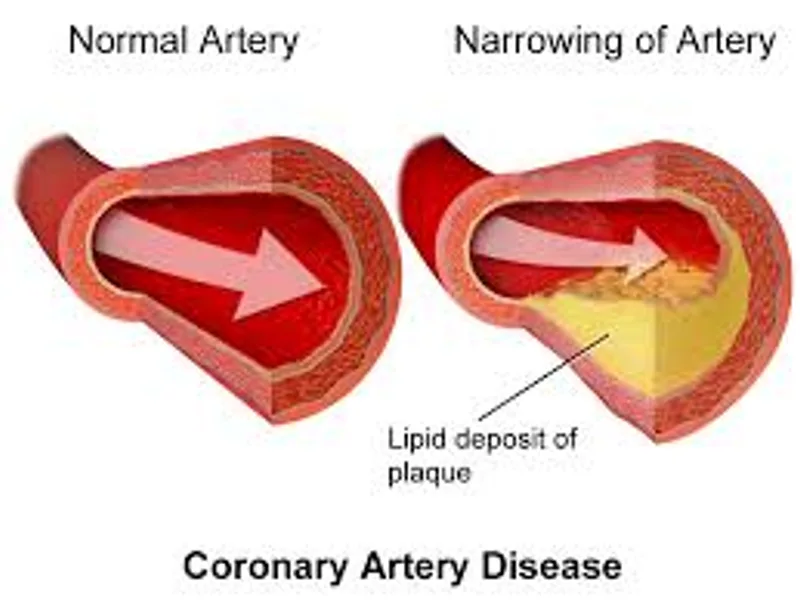
Coronary artery disease, also known as coronary heart disease or ischemic heart disease, develops when the coronary arteries are damaged or diseased. The most common cause is the accumulation of cholesterol-rich plaques on the inner walls of the arteries (atherosclerosis).
Over time, these plaques can harden, calcify, and narrow the arterial lumen, reducing or completely blocking blood flow to the heart. When the heart receives insufficient oxygen (a condition called ischemia), it can trigger angina (chest pain) or, if a plaque ruptures and causes a complete blockage, a heart attack.
How the Heart and Arteries Are Affected
The three main coronary arteries — the left anterior descending (LAD), the circumflex artery, and the right coronary artery (RCA) — supply blood to different regions of the heart muscle.
• Atherosclerosis: Chronic endothelial injury from hypertension, smoking, and high cholesterol leads to plaque formation.
• Plaque rupture: Unstable plaques can rupture, triggering a blood clot that suddenly blocks the artery.
• Ischemia: Insufficient blood supply to heart muscle causes pain (angina) and can lead to cell death.
• Myocardial infarction: Complete occlusion of a coronary artery causes irreversible heart muscle damage.
Causes and Risk Factors
Primary Causes
• Atherosclerosis: By far the most common cause of CAD.
• Coronary artery spasm: Sudden narrowing of a coronary artery, even without plaque.
• Spontaneous coronary artery dissection (SCAD): A tear in the coronary artery wall.
• Microvascular disease: Disease of small coronary arteries, common in women.
Major Risk Factors
• High blood pressure (hypertension)
• High LDL cholesterol (hyperlipidemia)
• Diabetes mellitus
• Smoking and tobacco use
• Obesity (BMI > 30)
• Physical inactivity
• Family history of premature CAD
• Age: Men over 45, women over 55
• Chronic stress and depression
• Chronic kidney disease
Early Warning Signs
• Chest tightness or pressure during physical activity
• Shortness of breath with exertion that didn’t occur before
• Unexplained fatigue, especially in women
• Heart palpitations
• Mild dizziness or lightheadedness
• Pain in the left arm or jaw during exertion
• Indigestion that occurs predictably with activity
Common Symptoms
Stable Angina
• Chest pain or pressure triggered by exertion and relieved by rest.
• Usually lasting 2–5 minutes.
• Predictable pattern, often at a consistent level of exertion.
Unstable Angina
• Chest pain at rest or with minimal activity.
• Increasing frequency, duration, or severity.
• New-onset angina that is severe.
Heart Attack (STEMI/NSTEMI)
• Severe chest pain lasting more than 20 minutes.
• Radiating pain to the arm, jaw, neck, or back.
• Diaphoresis (cold sweats), nausea, vomiting.
• Extreme weakness or impending doom sensation.
Stages of Coronary Artery Disease
• Early CAD: Mild plaque without significant narrowing. No symptoms; detectable on CT angiography.
• Moderate CAD: 50–69% arterial narrowing. Stable angina may develop on exertion.
• Severe CAD: 70% or greater narrowing. Significant symptoms at minimal exertion.
• Critical CAD: Near-total or total occlusion. Acute coronary syndrome or heart attack risk is high.
• Post-MI CAD: After a heart attack; affected area has scar tissue and reduced function.
How Doctors Diagnose the Condition
Diagnosis of coronary artery disease involves a combination of clinical history, physical examination, and investigations.
• Resting ECG: May show ST changes, Q waves, or bundle branch blocks.
• Stress ECG (Exercise Tolerance Test): Reveals exercise-induced ST changes.
• Echocardiogram: Assesses wall motion, ejection fraction, and valve function.
• Coronary CT angiography: Non-invasive imaging of plaque and arterial narrowing.
• Coronary angiogram (cardiac catheterization): The definitive test to visualize and grade blockages.
• Blood tests: Troponin, BNP, CK-MB, lipid profile, CRP.
A specialized Cardiologist will determine which diagnostic tests are appropriate based on your symptoms, risk profile, and clinical presentation. Early and accurate diagnosis is the foundation of effective CAD management.
Available Treatment Options
Medications
• Aspirin/antiplatelet therapy: Reduces clot risk on coronary plaques.
• Statins: Lower LDL and stabilize vulnerable plaques.
• Beta-blockers: Reduce heart rate and oxygen demand.
• Nitrates: Dilate coronary arteries to relieve angina.
• Calcium channel blockers: Reduce arterial spasm and blood pressure.
• ACE inhibitors/ARBs: Protect heart function and reduce remodeling after MI.
• PCSK9 inhibitors: Powerful LDL-lowering agents for high-risk patients.
Interventional Procedures
For significant coronary blockages, Coronary Angioplasty (Percutaneous Coronary Intervention/PCI) uses a balloon to widen the narrowed artery, followed by stent placement to keep it open. Drug-eluting stents release medication to prevent restenosis.
Bypass Surgery
Coronary Artery Bypass Grafting (CABG) is recommended for patients with multi-vessel or left main CAD. A blood vessel from the chest, leg, or arm is used to bypass the blockage, restoring normal blood flow.
Lifestyle Management
• Heart-healthy diet: Mediterranean diet reduces CAD mortality significantly.
• Smoking cessation: The most important modifiable CAD risk factor.
• Regular physical activity: 30–60 minutes of moderate exercise, 5 days a week.
• Weight management: Reducing BMI to healthy range reduces cardiac workload.
• Blood pressure control: Target < 130/80 mmHg.
• Cholesterol management: LDL target < 70 mg/dL for high-risk patients.
• Diabetes control: HbA1c target < 7%.
Daily Living Tips for Patients
• Carry sublingual nitroglycerin if prescribed; know when and how to use it.
• Avoid strenuous activities in extreme heat or cold, which increase cardiac demand.
• Eat smaller, more frequent meals to avoid large postprandial cardiac workload.
• Follow a medication schedule using a pill organizer and phone reminders.
• Know the warning signs of a heart attack and call emergency services immediately.
• Attend cardiac rehabilitation sessions consistently after any intervention.
Complications if Left Untreated
• Acute myocardial infarction (heart attack) with permanent heart damage
• Left ventricular dysfunction and congestive heart failure
• Life-threatening arrhythmias including ventricular fibrillation
• Cardiogenic shock: severe pump failure requiring emergency care
• Sudden cardiac death
• Chronic angina severely limiting daily activities and quality of life
Patients requiring advanced coronary interventions can benefit from world-class cardiac care at the best hospital for Coronary Artery Disease equipped with catheterization labs, cardiac surgery theaters, and round-the-clock intensive cardiac care.
Prevention and Risk Reduction
• Annual blood pressure checks from age 18.
• Fasting lipid profile from age 35 (or 20 with risk factors).
• Blood sugar/HbA1c testing from age 40.
• Cardiac calcium scoring for intermediate-risk asymptomatic adults.
• Achieve and maintain a body weight in the healthy range.
• Practice stress reduction techniques: meditation, exercise, and social engagement.
Frequently Asked Questions (FAQs)
1. Can coronary artery disease be cured?
CAD cannot be completely cured, but it can be effectively managed with medications, lifestyle changes, and procedures. Many patients achieve excellent outcomes and lead normal, active lives.
2. What is the main difference between angina and a heart attack?
Angina is temporary chest pain caused by reduced blood flow to the heart; it is relieved by rest or nitrates. A heart attack occurs when the blood supply is completely cut off, causing permanent heart muscle damage.
3. How do I know if my chest pain is a heart attack?
Chest pain lasting more than 20 minutes, especially with sweating, nausea, arm pain, or jaw pain, should be treated as a potential heart attack. Call emergency services immediately — do not drive yourself to hospital.
4. How long does a coronary angioplasty (stenting) take?
A typical angioplasty procedure takes 30 minutes to 2 hours depending on the number and complexity of blockages. Most patients are discharged within 24–48 hours.
5. What lifestyle changes are most important after a heart attack?
Smoking cessation, regular supervised exercise, a Mediterranean diet, medication adherence, and stress management are the five most critical lifestyle pillars after a myocardial infarction.
6. Is coronary artery disease the same as atherosclerosis?
Atherosclerosis is the underlying disease process (plaque buildup in arteries). Coronary artery disease is what results when atherosclerosis specifically affects the coronary arteries supplying the heart.
7. Can aspirin prevent coronary artery disease?
Low-dose aspirin is recommended for secondary prevention (for people who already have CAD). For primary prevention in people without established heart disease, aspirin is no longer routinely recommended due to bleeding risk.
8. Is bypass surgery (CABG) better than angioplasty?
For multi-vessel CAD, especially in diabetic patients, CABG tends to produce better long-term outcomes. For single-vessel disease, angioplasty with stenting is often the preferred, less invasive option. Your cardiologist will recommend what’s best for your specific anatomy.
9. How many stents can a person have?
There is no strict upper limit on the number of stents. Multiple stents can be placed in different vessels during the same or separate procedures, depending on disease extent and patient health.
10. What is a normal ejection fraction and why does it matter?
A normal ejection fraction (EF) is 55–70%. EF measures the percentage of blood the heart pumps out with each beat. A low EF indicates reduced heart function, which guides treatment decisions and prognosis.
Conclusion
Coronary artery disease is serious, but it is also one of the most treatable and preventable conditions in medicine. Modern cardiology offers an impressive range of tools — from life-saving medications to minimally invasive stenting procedures and bypass surgery — to restore blood flow and protect heart function.
The most powerful message remains this: don’t ignore the warning signs. Whether it’s unexplained fatigue, chest pressure, or shortness of breath, consult a cardiologist today. Early action saves lives, preserves heart function, and enables patients to return to full, healthy lives.