Coronary Heart Disease
Introduction
Heart disease is the leading cause of death globally, but it doesn’t happen overnight. It is often the result of decades of silent progression. Coronary Heart Disease (CHD), also known as coronary artery disease, is the most common type of heart disease. It is a serious condition where the blood vessels (coronary arteries) struggle to send enough blood, oxygen, and nutrients to the heart muscle. Understanding this condition is vital for early intervention and longevity. In this comprehensive guide, we will explore the mechanics of CHD, its risk factors, symptoms, and the modern treatments that can save lives.
What is Coronary Heart Disease?
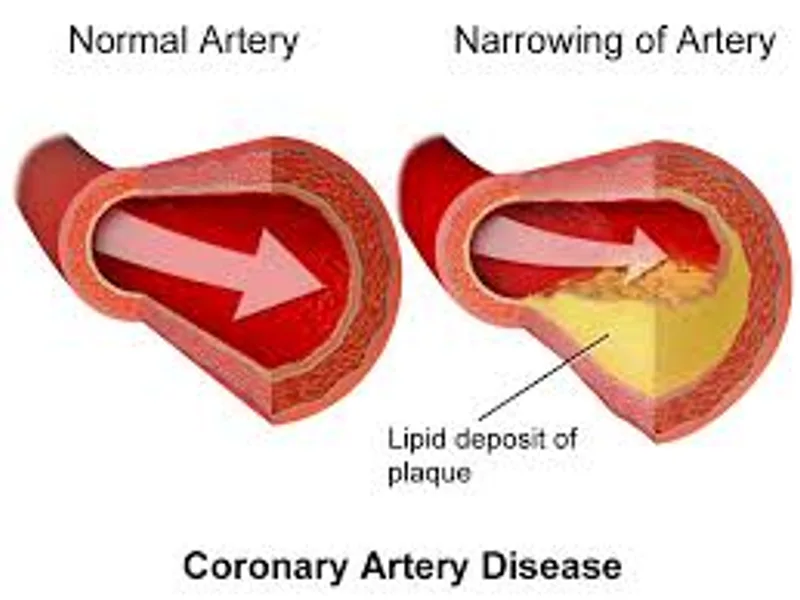
Coronary Heart Disease is a condition characterized by the narrowing or blockage of the coronary arteries. These are the major blood vessels that supply your heart with blood. CHD usually begins when cholesterol, calcium, and other substances build up in the walls of your arteries. This buildup is called plaque. Over time, this plaque can harden or rupture (break open), restricting blood flow or completely blocking it. When the heart muscle doesn't get enough oxygen-rich blood, it can lead to chest pain (angina) or a heart attack (myocardial infarction).
How the Heart and Blood Vessels Work
To understand CHD, one must understand the cardiovascular system. The heart is a muscular pump about the size of a fist. It beats approximately 100,000 times a day.
Coronary Arteries: These wrap around the outside of the heart like a crown (hence "coronary"). They deliver oxygenated blood to the heart muscle itself.
Blood Flow: Healthy arteries are flexible and smooth, allowing blood to flow freely. In CHD, the inner lining of the artery is damaged, allowing plaque to accumulate. Imagine a water pipe gradually getting clogged with rust and mineral deposits; the water trickles through. Similarly, blood flow to the heart decreases, starving the muscle of vital oxygen.
Major Causes
The primary cause of CHD is atherosclerosis. However, several underlying factors trigger this damage:
Endothelial Injury: Damage to the inner layer of the artery caused by high blood pressure, smoking, or high cholesterol.
Plaque Accumulation: Once the wall is damaged, plaque (fatty deposits) begins to build up at the site of injury.
Inflammation: The body views plaque as an invader, sending white blood cells to fight it, which can cause further swelling and instability in the plaque deposit.
Risk Factors
Several factors increase your likelihood of developing CHD. Some are controllable, while others are genetic.
High Cholesterol: High levels of LDL (bad) cholesterol contribute to plaque buildup.
Smoking: Tobacco use damages the lining of the blood vessels and makes blood more likely to clot.
Hypertension: Uncontrolled high blood pressure can harden and thicken arteries.
Diabetes: High blood sugar levels damage blood vessels and the nerves that control the heart.
Sedentary Lifestyle: Lack of exercise contributes to obesity and poor circulation.
Family History: If a parent or sibling developed heart disease at an early age, your risk increases.
Symptoms to Watch For
Symptoms often develop slowly as plaque builds up, but they can also occur suddenly if a plaque ruptures.
Angina: Pressure, squeezing, or fullness in the center of the chest. It may feel like someone is standing on your chest.
Shortness of Breath: You may feel winded even when you haven't exerted yourself.
Fatigue: Extreme tiredness is common, as the heart has to work harder to pump blood through narrowed vessels.
Neck/Jaw Pain: Sometimes, the pain radiates to the shoulders, neck, jaw, or back.
Emergency Warning Signs
If you experience the following, seek emergency care immediately, as these are signs of a heart attack:
Crushing chest pain or pressure that lasts more than a few minutes.
Pain spreading to the arm, shoulder, neck, jaw, or back.
Cold sweats, nausea, or lightheadedness.
Sudden, severe shortness of breath.
Diagnostic Tests
If you have symptoms of CHD, your doctor will perform a physical exam and order tests to confirm the diagnosis. You may be referred to a Cardiologist for specialized care.
Blood Tests
Blood tests check for enzymes that leak into the bloodstream when the heart is damaged (Troponin). They also measure cholesterol levels and C-reactive protein (CRP) to check for inflammation.
ECG
An Electrocardiogram (ECG) records the electrical activity of the heart. It can show signs of a previous heart attack or one currently happening. It can also detect irregular heart rhythms (arrhythmias).
Imaging Tests
Echocardiogram: Uses sound waves to create images of the heart, showing how well the chambers and valves are working.
Stress Test: Measures how your heart performs during physical exertion, usually on a treadmill.
Cardiac Catheterization (Angiogram): A thin tube is inserted into a blood vessel and guided to the heart. Dye is injected so the arteries can be seen on X-rays. This is the definitive test for CHD.
Treatment Options
Treatment for CHD involves lifestyle changes, medications, and possibly medical procedures to restore blood flow.
Medications
Cholesterol-modifying drugs: Statins help lower LDL cholesterol.
Aspirin: A daily aspirin can reduce clotting and prevent blockages.
Beta-blockers: These slow the heart rate and reduce blood pressure.
Nitroglycerin: Expands blood vessels to improve blood flow to the heart.
Medical Procedures
If medication isn't enough, you may need surgery to open blocked arteries.
Angioplasty and Stent Placement: A balloon is used to widen the artery, and a stent is placed to keep it open. This is a common procedure often referred to as Coronary Angioplasty.
Coronary Artery Bypass Graft (CABG): A surgeon takes a blood vessel from another part of your body and uses it to bypass the blocked artery.
Lifestyle Changes for Better Heart Health
You can control CHD progression by changing your daily habits.
Quit Smoking: This is the single most effective change you can make.
Manage Weight: Losing even a small percentage of body weight can lower cholesterol and blood pressure.
Reduce Stress: Chronic stress releases hormones that raise blood pressure.
Diet Plan Recommendations
A heart-healthy diet is essential for managing CHD.
Eat More Fruits and Vegetables: Aim for 5-10 servings a day.
Choose Whole Grains: Swap white bread and pasta for whole wheat, oats, and brown rice.
Healthy Fats: Focus on olive oil, avocados, nuts, and fatty fish (salmon).
Reduce Sodium: Limit salt intake to less than 2,300 mg a day.
Limit Saturated Fats: Cut down on red meat and full-fat dairy products.
Exercise Guidelines
Exercise strengthens the heart muscle.
Aerobic Activity: Get at least 150 minutes of moderate aerobic activity (brisk walking, swimming) per week.
Strength Training: Include strength training exercises at least two days a week.
Start Slow: If you haven't exercised in a while, consult your doctor and start with 10 minutes of light activity a day.
Long-Term Complications
Untreated CHD can lead to severe health issues.
Heart Failure: The heart becomes too weak to pump blood efficiently.
Arrhythmias: Irregular heartbeats that can be fatal.
Heart Attack: Permanent damage to the heart muscle.
Prevention Tips
Prevention is the best medicine.
Check Blood Pressure Regularly: Keep it below 120/80 mm Hg.
Monitor Cholesterol: Get lipid panel tests as recommended by your doctor.
Control Diabetes: Maintain healthy blood sugar levels.
FAQs
Can I reverse coronary heart disease?
While you cannot undo plaque buildup completely, you can stop it from getting worse and improve your symptoms through lifestyle changes and medication.
How do I know if my chest pain is serious?
If chest pain is new, unexplained, or accompanied by shortness of breath, sweating, or nausea, treat it as an emergency.
Where should I go for advanced treatment?
If you require complex procedures, you should seek care at the Best Hospital for Coronary Heart Disease in Kolkata to ensure you have access to top-tier technology and specialists.
Final Thoughts
Coronary Heart Disease is a serious, lifelong condition, but it is highly manageable. By recognizing the symptoms early and committing to a heart-healthy lifestyle, you can live a long and fulfilling life. Don't ignore the warning signs—your heart works hard for you, so take the time to take care of it.