Crohn Disease
Introduction
The digestive system is a remarkable engine, turning food into fuel and nutrients for our bodies. But for those with Crohn disease, this engine often sputters and stalls, causing pain and exhaustion. Crohn disease is a type of inflammatory bowel disease (IBD) that causes chronic inflammation anywhere along the digestive tract.
Unlike some conditions that stay confined to one area, Crohn's is unpredictable and can affect the mouth, stomach, small intestine, and large intestine. It is a lifelong condition with no cure, but it is manageable. Understanding the disease is the first step toward reclaiming control over your digestive health and returning to a life that feels normal.
What is Crohn Disease?
Crohn disease is a chronic inflammatory condition of the gastrointestinal (GI) tract. It belongs to a group of conditions known as Inflammatory Bowel Diseases. It is often confused with Ulcerative Colitis, but while Ulcerative Colitis only affects the colon and rectum, Crohn's can affect any part of the GI tract from mouth to anus.
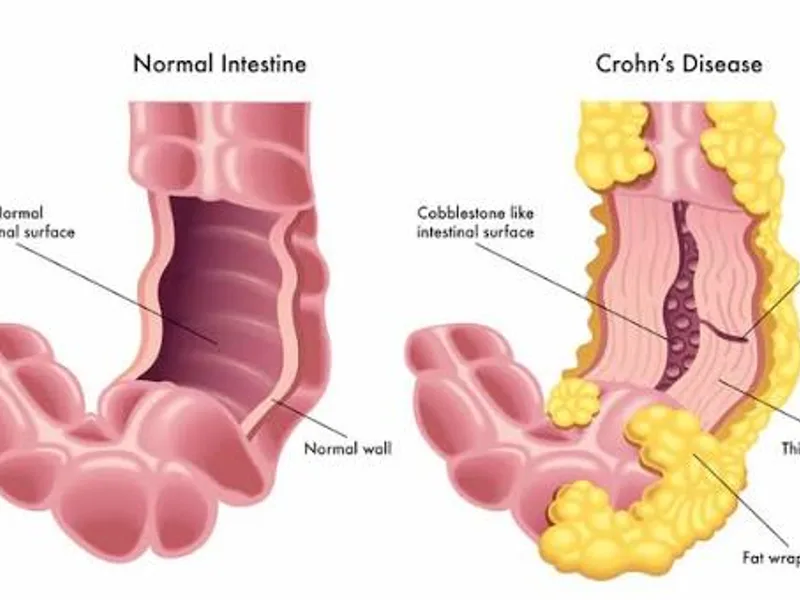
Most commonly, Crohn's targets the end of the small intestine (the ileum) and the beginning of the large intestine. The inflammation caused by Crohn's isn't just surface-level; it can penetrate deep into the layers of the bowel wall. This deep inflammation is what leads to complications like narrowing of the intestine (strictures) and abnormal connections between body parts (fistulas).
How the Immune System Normally Works
The gut is home to trillions of bacteria, collectively known as the gut microbiome. In a healthy digestive system, the immune system treats these bacteria as harmless residents. It patrols the gut, checking for harmful pathogens (bad bacteria or viruses).
When a threat is detected, the immune system launches a controlled inflammatory response to attack the invader. Once the threat is neutralized, the immune system receives a signal to turn off the inflammation and return the gut to its normal state of digestion and absorption. This balance is maintained by a complex network of immune cells in the gut wall.
What Goes Wrong in This Disease
In Crohn disease, this delicate balance is shattered. The immune system mistakenly identifies the harmless gut bacteria as foreign invaders. It launches an aggressive immune attack that doesn't stop.
The immune cells flood the intestines, releasing inflammatory chemicals (cytokines) that damage the lining. The inflammation becomes chronic. Instead of healing, the tissue becomes raw and swollen. Over time, the body tries to heal this damage with scar tissue, which can thicken the bowel wall and narrow the passage. It is a case of the body's defense system becoming its own worst enemy, turning a protective mechanism into a source of damage.
Causes and Triggers
The exact cause of Crohn disease is unknown, but it involves a mix of genetics, the immune system, and environmental factors. It is thought to be triggered by an abnormal reaction of the immune system to the gut bacteria in people who are genetically susceptible.
Common Triggers:
Smoking: This is one of the most significant controllable risk factors. Smokers with Crohn's have more frequent flare-ups and a higher risk of needing surgery.
NSAIDs: Pain relievers like ibuprofen, aspirin, and naproxen can irritate the lining of the bowel and trigger flares.
Diet: While diet doesn't cause the disease, certain foods—like dairy, spicy foods, and high-fiber foods—can aggravate symptoms during a flare.
Stress: Stress doesn't cause Crohn's, but it can trigger symptoms or make a flare worse by affecting digestion.
Genetic and Environmental Factors
Genetics play a significant role. Scientists have identified over 200 genes that can influence susceptibility to Crohn's. However, having these genes doesn't guarantee you will get the disease; it simply increases the risk.
Environmental factors act as the "trigger" in genetically predisposed people. The "Hygiene Hypothesis" suggests that living in too clean an environment in childhood may prevent the immune system from learning to tolerate bacteria, leading to autoimmune issues later. Geography also matters; Crohn's is more common in urban areas and developed countries, suggesting that diet, pollution, or Western lifestyle factors play a role.
Symptoms and Warning Signs
Symptoms of Crohn's can range from mild to severe and often develop gradually, though they can sometimes appear suddenly. They often cycle between active flare-ups and periods of remission (no symptoms).
Common signs include:
Diarrhea: Persistent diarrhea is a hallmark, often accompanied by urgency.
Abdominal Pain and Cramping: The inflammation causes pain, which can be severe.
Blood in Stool: This can range from bright red to dark blood mixed with stool.
Mouth Sores: Ulcers in the mouth similar to canker sores.
Weight Loss and Fatigue: The body cannot absorb nutrients effectively due to inflammation and diarrhea.
Diagnosis Process
Diagnosing Crohn disease can be a journey of elimination because symptoms overlap with other GI issues like IBS or Ulcerative Colitis. A Gastroenterologist is the specialist who manages this condition.
The diagnosis process typically involves:
Lab Tests: Blood tests to check for anemia and signs of infection, and stool tests to check for hidden blood or parasites.
Endoscopy: A procedure to view the inside of the GI tract.
Colonoscopy: A crucial diagnostic tool where a camera is inserted into the colon to view inflammation and take tissue samples (biopsies).
During the diagnostic phase, a Colonoscopy is often performed. This allows the doctor to visually confirm the presence of patchy inflammation and "skip lesions"—areas of diseased bowel interspersed with healthy areas—which are characteristic of Crohn's disease.
Treatment Options
There is no cure for Crohn's, but therapies can greatly reduce symptoms and even bring about long-term remission.
Anti-Inflammatory Drugs: Corticosteroids (like prednisone) are used to control inflammation during acute flares but are not for long-term use.
Immune System Suppressors: These drugs target the immune system to reduce inflammation. They are often maintenance medications to keep the disease in remission.
Biologics: These are genetically engineered proteins that target specific parts of the immune system (like TNF-alpha) that cause inflammation.
Surgery: If medications fail to manage complications (like blockages, fistulas, or severe disease), surgery may be needed to remove the damaged portion of the digestive tract. However, surgery is not a cure, as the disease can return.
Diet and Nutrition Recommendations
Diet plays a huge role in managing symptoms, though there is no "one-size-fits-all" diet for Crohn's. During a flare, you need to rest your bowel.
During a Flare: Eat a low-fiber, low-residue diet. Think white rice, white bread, lean protein (chicken, fish), and well-cooked vegetables. Avoid raw fruits, nuts, seeds, and whole grains, as these are hard to digest.
During Remission: Focus on a balanced, nutrient-dense diet to regain lost weight and heal.
Hydration: Chronic diarrhea causes dehydration. Drink plenty of water throughout the day.
Small Meals: Eat 5 or 6 small meals rather than 3 large ones to reduce the load on your digestive system.
Daily Lifestyle Management
Living with Crohn's requires adaptability.
Quit Smoking: This is the single most important lifestyle change. Smoking cessation significantly reduces the risk of flare-ups and recurrence after surgery.
Stress Management: Practice relaxation techniques like meditation or deep breathing. The "gut-brain axis" is real; stress directly impacts the GI tract.
Track Your Food: Keep a food diary to identify which foods trigger your symptoms. This empowers you to make better choices.
Exercise: Regular moderate exercise can help reduce stress and improve digestion.
Mental Health Impact
The unpredictable nature of Crohn's—never knowing when a flare will hit or where the nearest bathroom is—can cause significant anxiety and social isolation. Many people feel embarrassed by their symptoms or worry about missing work and social events. This can lead to depression.
It is important to talk about these feelings. Support groups (in-person or online) connect you with others who understand exactly what you are going through. Therapy can also provide tools for coping with the stress of chronic illness.
Possible Complications
If Crohn's is left untreated, inflammation can cause structural damage to the bowel.
Strictures: Thickening of the bowel wall narrows the passageway, causing blockages.
Fistulas: Abnormal tunnels that form between the bowel and other organs (like the bladder or skin).
Abscesses: Pockets of infection caused by fistulas.
Malnutrition: The inflamed bowel cannot absorb vitamins and minerals, leading to deficiencies (like iron, B12, and Vitamin D).
Joint Pain: Systemic inflammation can also affect the joints, leading to arthritis. In these cases, a Rheumatologist may be involved in the care team.
Living Well with Crohn Disease
While Crohn's is a chronic condition, it does not define you. Many patients maintain full careers, families, and active lives by adhering to their treatment plan and knowing their body's signals. The goal of treatment is not just to stop symptoms, but to restore your quality of life.
Regular monitoring is key. You should seek care at a facility that offers advanced GI care. You can search for the Best Hospital for Crohn Disease or specialized GI centers to ensure you have access to the latest biologics and experienced surgeons if needed.
Frequently Asked Questions
Is Crohn disease fatal?
Generally, no. Most people with Crohn's have a normal lifespan. However, complications can be serious if not treated.
Can I drink alcohol with Crohn's?
Alcohol can irritate the gut and trigger flares in many people. It is generally recommended to limit or avoid alcohol.
Does Crohn disease affect fertility?
Crohn's itself doesn't usually affect fertility, but active disease or certain surgeries can impact it. It is best to discuss family planning with your doctor.
Do I need surgery?
Not everyone with Crohn's needs surgery. It is reserved for complications like blockages or fistulas that don't respond to medication.
Where can I find specialist care?
You should consult a Gastroenterologist for diagnosis and management. For advanced care or surgical options, you may be referred to the Best Hospital for Crohn Disease.
Conclusion
Crohn disease is a challenging adversary, but it is one that modern medicine is increasingly capable of controlling. By understanding the triggers, partnering with a skilled Gastroenterologist, and adhering to a healthy lifestyle, you can achieve long periods of remission and a full, vibrant life. Remember, management is a marathon, not a sprint.