Dementia Disease: Symptoms, Causes & Treatment
Introduction
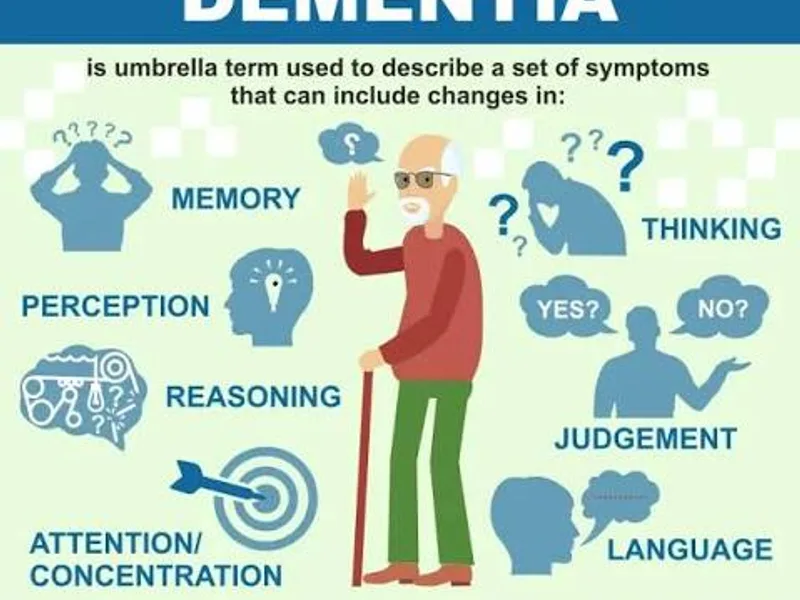
Dementia is not a single disease — it is an umbrella term for a group of symptoms that affect memory, thinking, behaviour, and the ability to perform everyday tasks. It occurs when brain cells are damaged and can no longer communicate effectively with each other. Alzheimer's disease is the most common form, accounting for 60–80% of all dementia cases. According to the World Health Organization, over 55 million people worldwide live with dementia, and nearly 10 million new cases are diagnosed each year. For patients and their families, understanding dementia early can make a profound difference in managing the condition and planning for the future.
What is Dementia?
Dementia is a syndrome — a collection of symptoms caused by disorders that affect the brain. It primarily affects older adults, though it is not a normal part of ageing. The condition progressively impairs cognitive functions such as memory, language, problem-solving, and judgement. There are several types of dementia, including Alzheimer's disease, vascular dementia, Lewy body dementia, and frontotemporal dementia. Each type affects different parts of the brain and presents slightly different symptoms.
How the Nervous System is Affected
In dementia, the brain undergoes significant structural and chemical changes. Nerve cells (neurons) begin to die or lose their connections with other brain cells. In Alzheimer's disease, abnormal protein deposits called amyloid plaques and tau tangles accumulate in the brain, disrupting communication between neurons. In vascular dementia, reduced blood flow to the brain causes cell death. Over time, the brain shrinks, and regions responsible for memory (hippocampus), language (temporal lobe), and decision-making (frontal lobe) are all affected. This explains why dementia impacts so many aspects of daily life.
Causes and Risk Factors
Dementia is caused by damage to brain cells, but several underlying conditions and lifestyle factors can increase the risk.
Common Causes:
Alzheimer's disease (most common)
Stroke or reduced blood supply to the brain (vascular dementia)
Lewy body deposits (Lewy body dementia)
Frontotemporal degeneration
Risk Factors:
Age: Risk doubles every five years after age 65
Family history and genetics: Having a first-degree relative with dementia increases risk
Cardiovascular conditions: High blood pressure, diabetes, high cholesterol, and obesity
Head injuries: History of traumatic brain injury
Lifestyle: Physical inactivity, smoking, excessive alcohol consumption, social isolation
Depression: Chronic depression, especially in midlife, is linked to higher dementia risk
Early Warning Signs
Recognising dementia early is crucial for timely intervention. The following signs in a loved one should not be dismissed as "just getting old":
Frequently forgetting recently learned information
Asking the same questions repeatedly
Getting lost in familiar places
Difficulty finding the right words during conversation
Struggling with familiar tasks (cooking, managing finances)
Changes in mood or personality
Poor judgement or decision-making
Withdrawing from social activities or hobbies
Common Symptoms
As dementia progresses, symptoms become more pronounced:
Memory loss that disrupts daily life
Confusion about time, place, and people
Difficulty with language — trouble reading, writing, or speaking
Impaired motor skills in later stages
Behavioural changes — agitation, anxiety, depression, or aggression
Sleep disturbances — insomnia or sleeping too much
Hallucinations (more common in Lewy body dementia)
Inability to perform basic self-care in advanced stages
Stages of the Disease
Dementia typically progresses through three broad stages:
Stage 1 – Mild (Early Stage)
The person is mostly independent but begins to experience noticeable memory lapses, misplacing things, and difficulty planning or organising. They may still work and participate in social activities.
Stage 2 – Moderate (Middle Stage)
This is often the longest stage. The person needs more help with daily activities. They may forget major personal information, become confused about surroundings, and experience significant personality changes.
Stage 3 – Severe (Late Stage)
The person requires full-time care. Communication becomes very limited, physical abilities deteriorate, and the person may lose the ability to walk, sit, or swallow independently.
How Doctors Diagnose the Condition
There is no single test for dementia. Diagnosis involves a combination of approaches:
Medical history review — understanding symptom onset and family history
Cognitive tests — the Mini-Mental State Examination (MMSE) or Montreal Cognitive Assessment (MoCA)
Neurological examination — assessing reflexes, coordination, and sensory responses
Blood tests — to rule out reversible causes such as thyroid disorders or vitamin B12 deficiency
Brain imaging — MRI or CT scans to detect brain shrinkage or vascular changes
Cerebrospinal fluid analysis or PET scans for Alzheimer's-specific markers
Consulting a qualified Neurologist is essential for an accurate and timely diagnosis. A neurologist can interpret brain imaging results, perform specialised cognitive assessments, and recommend the most appropriate management plan.
Available Treatment Options
While there is currently no cure for most forms of dementia, several treatments can help manage symptoms and improve quality of life.
Medications
Cholinesterase inhibitors (donepezil, rivastigmine, galantamine) — used for mild to moderate Alzheimer's to slow memory decline
Memantine — used for moderate to severe Alzheimer's to regulate glutamate activity
Antidepressants or antipsychotics — prescribed for mood and behavioural symptoms (used cautiously)
Medications to manage cardiovascular risk factors — blood pressure drugs, statins
Therapies
Cognitive Stimulation Therapy (CST): Group activities designed to stimulate thinking, concentration, and memory
Reminiscence Therapy: Using photographs, music, and familiar objects to trigger positive memories
Occupational Therapy: Helps patients maintain independence in daily tasks for as long as possible
Speech and Language Therapy: Addresses communication difficulties and swallowing problems
Music and Art Therapy: Proven to reduce anxiety and improve mood in dementia patients
Lifestyle Management
Regular physical exercise (even short daily walks) can slow cognitive decline
A brain-healthy diet rich in fruits, vegetables, whole grains, and healthy fats (Mediterranean-style diet)
Mental stimulation — puzzles, reading, learning new skills
Social engagement to reduce isolation and depression
Good sleep hygiene
Daily Living Tips for Patients and Caregivers
Managing dementia at home requires patience, structure, and creativity. Here are some practical tips:
Establish routines: Predictable daily schedules reduce confusion and anxiety
Use labels and reminders: Label cabinets, doors, and objects to help with orientation
Simplify tasks: Break activities into small, manageable steps
Create a safe environment: Remove trip hazards, install grab bars, and use door alarms
Communicate clearly: Speak slowly, use simple sentences, and maintain eye contact
Respect dignity: Involve the person in decisions wherever possible
Caregiver self-care: Burnout is real — caregivers must also attend to their own physical and mental health
For families seeking the best care environment, exploring the Best Hospital for Dementia Care in Kolkata can help identify specialised memory clinics and inpatient dementia units with trained staff.
Complications if Left Untreated
When dementia is unmanaged or not properly diagnosed, the consequences can be serious:
Rapid cognitive decline without structured intervention
High risk of falls, fractures, and injuries due to disorientation
Malnutrition and dehydration from forgetting to eat or drink
Increased susceptibility to infections, including pneumonia
Severe depression or anxiety in both patients and caregivers
Social isolation leading to accelerated deterioration
Hospitalisation due to emergency medical events
Prevention and Risk Reduction
While there is no guaranteed way to prevent dementia, research strongly suggests that a healthy lifestyle can significantly lower risk:
Stay physically active — at least 150 minutes of moderate exercise per week
Manage chronic conditions — keep blood pressure, blood sugar, and cholesterol under control
Protect your head — wear helmets during cycling or contact sports to prevent head injuries
Stay mentally engaged — lifelong learning and cognitive challenges help build "cognitive reserve"
Stay socially connected — regular social interaction is strongly protective
Limit alcohol and quit smoking — both are major risk factors for brain damage
Prioritise sleep — poor sleep is associated with increased amyloid build-up in the brain
Frequently Asked Questions (FAQs)
1. Is dementia the same as Alzheimer's disease? No. Alzheimer's disease is the most common type of dementia, but dementia is an umbrella term that includes vascular dementia, Lewy body dementia, and frontotemporal dementia, among others.
2. At what age does dementia typically begin? Dementia most commonly affects people over 65, but early-onset dementia can occur in people in their 40s and 50s.
3. Can dementia be reversed? Most forms of dementia cannot be reversed. However, some conditions that mimic dementia — such as vitamin deficiencies or thyroid problems — can be treated and reversed.
4. Is dementia hereditary? Having a family member with dementia slightly increases your risk, but it does not mean you will develop it. Genetic forms (like familial Alzheimer's) are rare.
5. How quickly does dementia progress? Progression varies widely. Some people live with mild dementia for years, while others decline more rapidly. On average, people live 4–8 years after an Alzheimer's diagnosis.
6. What is the difference between dementia and normal ageing? Normal ageing may bring some forgetfulness, but dementia causes significant disruption to daily life and relationships. Forgetting a name occasionally is normal; forgetting how to use a phone is not.
7. Can young people get dementia? Yes. Early-onset dementia affects people under 65. Though rare, it can occur in people in their 30s or 40s.
8. What should I do if I suspect dementia in a loved one? Consult a Neurologist promptly. Early diagnosis enables better management and access to support services.
9. Are there clinical trials available for dementia? Yes. Many hospitals and research centres are conducting trials for new dementia treatments. Ask your specialist whether your loved one qualifies for any trials.
10. How can caregivers manage stress? Caregivers should seek support through dementia caregiver groups, respite care services, counselling, and regular medical check-ups for themselves.
Conclusion
Dementia is one of the most challenging conditions affecting individuals and families worldwide. While it cannot yet be cured, early recognition, proper medical care, and a supportive environment can greatly improve the quality of life for both patients and their caregivers. From understanding the early warning signs to exploring available therapies and lifestyle interventions, informed action makes all the difference. If you or someone you love is showing signs of memory loss or cognitive change, do not delay — speak with a neurologist and take the first step toward clarity, support, and better care.