Depression Disorder: Causes, Symptoms, Types & Treatment
Introduction
Depression is far more than feeling sad. It is a serious medical condition that affects how a person thinks, feels, and functions in daily life. According to the World Health Organization, over 280 million people worldwide live with depression, making it a leading cause of disability globally. In India, depression affects an estimated 56 million people. Despite its prevalence, depression is frequently misunderstood, stigmatised, and left untreated. The good news is that depression is one of the most treatable medical conditions — when recognised and addressed, the vast majority of people recover. This guide aims to provide patients, families, and caregivers with a clear, compassionate, and evidence-based understanding of depression.
What is Depression Disorder?
Depression (also known as Major Depressive Disorder or MDD) is a mood disorder characterised by persistently low mood, loss of interest or pleasure in activities, and a range of physical and cognitive symptoms that significantly impair daily functioning. It is important to distinguish between ordinary sadness (a normal human emotion, usually transient and linked to a specific cause) and clinical depression (a medical disorder that can persist for weeks, months, or years and requires treatment). Depression is not a character flaw, a sign of weakness, or something a person can simply "snap out of."
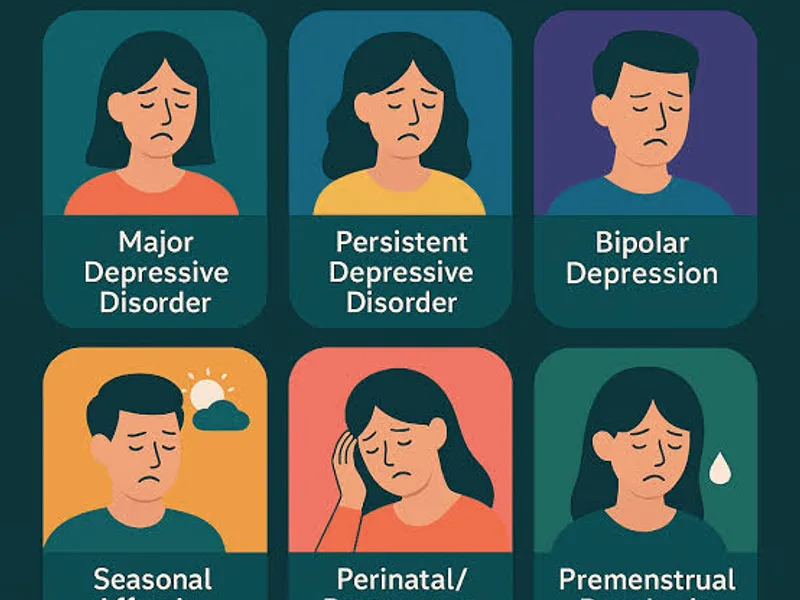
Types of depressive disorders include:
Major Depressive Disorder (MDD)
Persistent Depressive Disorder (Dysthymia) — chronic, milder depression lasting at least two years
Bipolar Depression — depressive episodes within bipolar disorder
Postpartum Depression — occurring after childbirth
Seasonal Affective Disorder (SAD) — depression linked to seasonal light changes
How the Nervous System is Affected
Depression involves changes in brain structure, function, and chemistry. Key neurotransmitter systems affected include:
Serotonin: Regulates mood, sleep, and appetite. Low serotonin activity is associated with depression.
Norepinephrine: Affects alertness and energy. Dysregulation contributes to the fatigue and concentration difficulties seen in depression.
Dopamine: The "reward" neurotransmitter. Reduced dopamine activity underlies the loss of motivation and pleasure (anhedonia) that is central to depression.
Brain imaging studies show that depression is associated with reduced activity in the prefrontal cortex (which governs thinking and decision-making), hyperactivity in the amygdala (emotional reactivity), and structural changes in the hippocampus (memory). Chronic stress elevates cortisol, which can actually shrink the hippocampus over time. These neurobiological changes explain why depression feels physical — because it is.
Causes and Risk Factors
Depression is caused by a combination of biological, psychological, and social factors.
Biological Factors:
Genetics — having a first-degree relative with depression doubles the risk
Hormonal changes — thyroid disorders, menopause, postpartum hormonal shifts
Chronic illness — heart disease, cancer, diabetes, and chronic pain
Certain medications — beta-blockers, corticosteroids, and some hormonal contraceptives
Psychological Factors:
Trauma and adverse childhood experiences
Negative thinking styles — learned helplessness, pessimism
Low self-esteem and chronic self-criticism
Other mental health conditions — anxiety, substance use disorders
Social and Environmental Factors:
Significant loss — bereavement, relationship breakdown, job loss
Social isolation and loneliness
Socioeconomic hardship
Workplace stress or burnout
Early Warning Signs
Depression often develops gradually. Recognising early signs allows for earlier intervention:
Persistent low mood lasting most of the day for more than two weeks
Losing interest in activities that were previously enjoyed
Changes in sleep — sleeping too much or too little
Unexplained changes in appetite or weight
Increasing social withdrawal
Difficulty concentrating at work or school
Unexplained fatigue or low energy
Feeling hopeless, worthless, or excessively guilty
Increased irritability or agitation
Common Symptoms
To be diagnosed with Major Depressive Disorder, a person must have at least five of the following symptoms, nearly every day for at least two weeks, and at least one must be depressed mood or loss of interest:
Depressed mood (sadness, emptiness, or hopelessness)
Loss of interest or pleasure in all or nearly all activities (anhedonia)
Significant changes in weight or appetite
Insomnia or hypersomnia
Psychomotor agitation (restlessness) or retardation (slowing down) observable by others
Fatigue or loss of energy
Feelings of worthlessness or excessive, inappropriate guilt
Difficulty concentrating, thinking, or making decisions
Recurrent thoughts of death, suicidal ideation, or a suicide attempt
Stages of the Disease
Mild Depression
Symptoms are present but manageable. The person may still function at work and in relationships, but with considerable effort and reduced enjoyment.
Moderate Depression
Symptoms become more pervasive and disruptive. Work performance, relationships, and physical health are notably affected. Suicidal thoughts may begin.
Severe Depression
The person is significantly impaired and may be unable to work, care for themselves, or maintain relationships. Psychotic features (delusions, hallucinations) can appear in the most severe cases. Hospitalisation may be necessary.
How Doctors Diagnose the Condition
Depression is diagnosed through a thorough clinical assessment:
Clinical interview — exploring symptom duration, severity, and functional impact
Standardised rating scales — the Patient Health Questionnaire-9 (PHQ-9) and Hamilton Depression Rating Scale (HDRS) are widely used
Medical history and physical examination — to rule out medical causes (thyroid disorders, anaemia, vitamin D deficiency)
Blood tests — thyroid function, full blood count, vitamin levels
Psychological assessment — to identify co-occurring anxiety, trauma history, or personality factors
For cases where medical conditions may be contributing, referral to appropriate specialists is important. An Endocrinologist should be consulted when thyroid disorders or hormonal imbalances are suspected as contributing factors to depressive symptoms.
Available Treatment Options
Depression is highly responsive to treatment. The most effective approach combines therapy and medication.
Medications
Selective Serotonin Reuptake Inhibitors (SSRIs): First-line treatment. Examples include sertraline, escitalopram, and fluoxetine. Generally well-tolerated with fewer side effects than older antidepressants.
Serotonin-Norepinephrine Reuptake Inhibitors (SNRIs): Venlafaxine and duloxetine. Particularly useful when pain is co-occurring.
Bupropion: Useful for depression with significant fatigue or smoking cessation needs.
Tricyclic antidepressants (TCAs): Older but effective; used when SSRIs fail.
Monoamine Oxidase Inhibitors (MAOIs): Used for treatment-resistant depression; require dietary restrictions.
Lithium or atypical antipsychotics: Used as augmentation in treatment-resistant cases.
Ketamine/esketamine: Rapid-acting treatment for severe or treatment-resistant depression, delivered in clinical settings.
Therapies
Cognitive Behavioural Therapy (CBT): The most extensively researched therapy for depression. Identifies and changes negative thought patterns and behaviours.
Interpersonal Therapy (IPT): Focuses on improving relationships and communication.
Behavioural Activation: Reintroduces rewarding activities to counter withdrawal and anhedonia.
Psychodynamic Therapy: Explores past experiences and unconscious patterns contributing to depression.
Mindfulness-Based Cognitive Therapy (MBCT): Highly effective in preventing depression relapse.
Electroconvulsive Therapy (ECT): Used for severe, treatment-resistant, or psychotic depression. Highly effective and much safer than its historical reputation suggests.
Lifestyle Management
Regular exercise (30 minutes, 3–5 times per week) is as effective as antidepressants for mild-moderate depression
Consistent sleep schedule
Nutritious diet — omega-3 fatty acids, B vitamins, and magnesium support brain health
Social connection — combats the isolation that worsens depression
Sunlight exposure — particularly important for seasonal affective disorder
Limiting alcohol (a CNS depressant that worsens depression)
Daily Living Tips for Patients
Set small, achievable daily goals — even one thing completed is progress
Engage in activities even when motivation is absent — action often comes before motivation in depression
Reach out to trusted friends or family members — isolation fuels depression
Keep a mood journal to track patterns and progress
Avoid major life decisions during a depressive episode when judgement is impaired
Follow prescribed medication — antidepressants take 2–4 weeks to show effect; do not stop abruptly
Patients in West Bengal can access integrated mental health and neurological care at the Best Hospital for Depression in Kolkata, offering psychiatry, psychology, and neurology services.
Complications if Left Untreated
Untreated depression has serious consequences:
Progression from mild to severe depression
Development of anxiety disorders, substance abuse, or chronic pain conditions
Damaged relationships, job loss, and social withdrawal
Physical health consequences — increased risk of heart disease, stroke, and diabetes
Cognitive decline — particularly in older adults
Increased risk of suicide — depression is the leading psychiatric cause of suicide
Significant reduction in life expectancy
Prevention and Risk Reduction
Build and maintain social connections — loneliness is a strong risk factor
Address trauma with professional support — unresolved trauma predisposes to depression
Develop healthy stress management habits
Maintain regular physical activity
Prioritise sleep
Limit alcohol and avoid drugs
Monitor your mood and seek early help when symptoms emerge — early intervention prevents escalation
Frequently Asked Questions (FAQs)
1. Is depression a real illness? Yes. Depression is a recognised medical condition with neurobiological underpinnings. It is not a personal weakness or a choice.
2. Can depression go away on its own? Mild episodes sometimes improve without treatment, but depression typically requires intervention. Left untreated, it often recurs and worsens over time.
3. How long does treatment for depression take? Most people notice significant improvement within 4–8 weeks of starting appropriate treatment. A full course of treatment typically lasts 6–12 months to reduce the risk of relapse.
4. Can antidepressants change my personality? Antidepressants should not change your personality — they work to restore your mood to its natural baseline. If you feel like "not yourself," discuss this with your doctor.
5. Can children get depression? Yes. Depression affects people of all ages, including children and adolescents. Symptoms in children may present as irritability rather than sadness.
6. Is it safe to take antidepressants during pregnancy? Some antidepressants are considered relatively safe during pregnancy. This must be discussed carefully with your doctor, weighing the risks of untreated depression against medication risks.
7. What is the difference between depression and grief? Grief is a normal response to loss. It typically does not involve persistent feelings of worthlessness and usually improves over time without treatment. When grief is prolonged and severely impairing, it may develop into clinical depression.
8. Can depression cause physical pain? Yes. Depression frequently causes physical symptoms including headaches, backache, fatigue, and digestive problems.
9. What should I do if someone I know seems suicidal? Take it seriously. Stay with them, listen without judgement, ask directly whether they are thinking of hurting themselves, and help them access emergency mental health support.
10. Can lifestyle changes alone treat depression? Lifestyle changes — particularly exercise — can be effective for mild depression. For moderate-to-severe depression, professional treatment (therapy and/or medication) is generally necessary.
Conclusion
Depression is a serious, complex, and deeply personal condition — but it is also one of the most treatable illnesses in medicine. With the right support, medication where appropriate, and evidence-based therapy, recovery is not just possible — it is achievable for the vast majority of people. If you recognise these symptoms in yourself or someone you love, please do not wait. Reach out to a healthcare professional. The journey to recovery begins with a single, courageous step.