Encephalitis: A Complete Guide for Patients and Caregivers
Encephalitis is a condition involving inflammation of the brain itself, which can affect how a person thinks, feels, and functions. It can range from mild to severe and, in some cases, requires urgent medical care. Understanding encephalitis — its causes, warning signs, and treatment options — can help patients and families recognize the condition early and seek appropriate care.
This guide explains encephalitis in simple, easy-to-understand language, covering everything from its causes to long-term management.
What is Encephalitis?
Encephalitis refers to inflammation of the brain tissue itself, as opposed to meningitis, which affects the membranes surrounding the brain and spinal cord. In some cases, both the brain and its surrounding membranes can be affected together, a condition known as meningoencephalitis.
Encephalitis can be caused by infections, particularly viral infections, or by the body's own immune system mistakenly attacking brain tissue (autoimmune encephalitis). It can affect people of any age, though certain causes are more common in specific age groups.
How the Nervous System is Affected
The brain is responsible for controlling thought, movement, emotion, memory, and many automatic body functions. When the brain becomes inflamed, this swelling can disrupt normal communication between brain cells.
Inflammation can affect specific areas of the brain or be more widespread, depending on the cause. This is why encephalitis can produce such a wide range of symptoms — from confusion and personality changes to seizures and movement problems — depending on which parts of the brain are affected. In severe cases, prolonged inflammation can damage brain tissue, leading to lasting effects on memory, behavior, or physical function.
Causes and Risk Factors
Encephalitis has several possible causes:
Viral infections – The most common cause, including herpes simplex virus, certain mosquito-borne viruses, and other common viruses that occasionally affect the brain.
Autoimmune causes – The immune system mistakenly attacks brain cells, sometimes triggered by an underlying tumor or following certain infections.
Bacterial or fungal infections – Less common, but possible, especially in people with weakened immune systems.
Post-infectious inflammation – Occurring after the body fights off an infection elsewhere, the immune response can sometimes affect the brain.
Risk factors include:
Weakened immune system due to illness, medications, or organ transplants
Recent viral infections
Exposure to mosquitoes or ticks in areas where certain viral infections are common
Age – very young children and older adults may be at higher risk for certain types
Underlying autoimmune conditions
Early Warning Signs
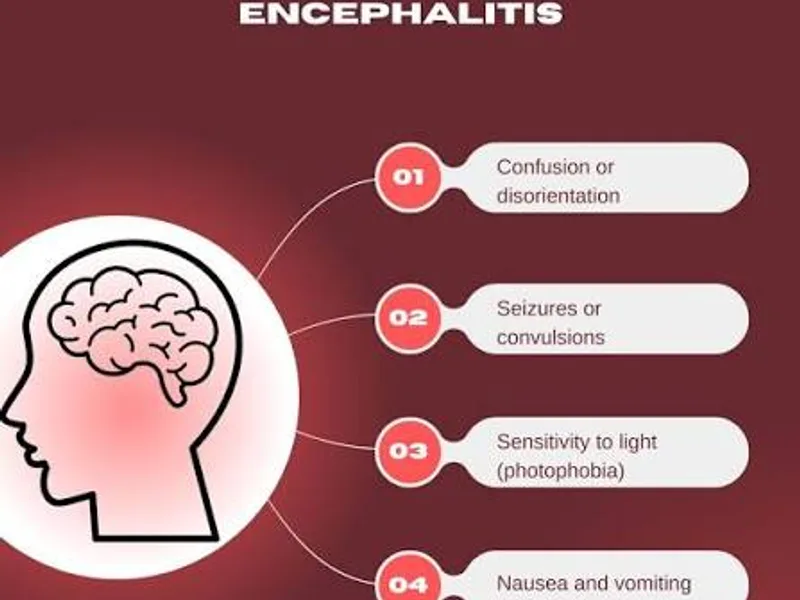
Encephalitis often begins with flu-like symptoms before progressing to more concerning neurological signs. Early warning signs include:
Because these symptoms overlap with many common illnesses, encephalitis can sometimes be missed in its early stages, making it important to monitor for any worsening or new neurological symptoms.
Common Symptoms
As encephalitis progresses, more specific symptoms may appear:
Severe headache
High fever
Confusion, disorientation, or altered consciousness
Seizures
Weakness or partial paralysis in part of the body
Personality or behavioral changes
Difficulty speaking or understanding speech
Memory problems
Sensitivity to light and sound
In severe cases, loss of consciousness or coma
The combination and severity of symptoms can vary widely depending on which area of the brain is affected and the underlying cause.
Stages of the Disease
Encephalitis doesn't always follow a fixed staged pattern, but its course can generally be described as:
Early Stage: Flu-like symptoms such as fever, headache, and fatigue, which can be mistaken for a common viral illness.
Acute Stage: Neurological symptoms become more prominent — confusion, seizures, behavioral changes, or weakness develop. This is the stage requiring urgent medical evaluation and treatment.
Recovery Stage: With appropriate treatment, many patients gradually improve, though recovery time varies. Some may experience lingering effects such as memory difficulties, fatigue, or mood changes that improve gradually with rehabilitation.
Chronic/Long-term Stage: In some cases, particularly with severe or delayed-treatment cases, long-term cognitive or physical effects may persist and require ongoing rehabilitation support.
How Doctors Diagnose the Condition
Diagnosing encephalitis requires a thorough evaluation, typically led by a Neurologist, especially because symptoms can overlap with other neurological conditions.
Diagnostic steps include:
Detailed history and neurological examination – Assessing mental status, reflexes, and any focal neurological signs.
MRI or CT brain imaging – Helps identify areas of inflammation or swelling in the brain.
Lumbar puncture (spinal tap) – Cerebrospinal fluid is tested to look for signs of infection or inflammation and to help identify the specific cause.
Blood tests – Including tests for specific viral infections or autoimmune antibodies.
EEG (electroencephalogram) – Measures brain electrical activity, useful for detecting seizure activity even when not visibly apparent.
Additional autoimmune panel testing – If autoimmune encephalitis is suspected, specialized antibody testing may be needed, sometimes requiring coordination with a Rheumatologist for underlying autoimmune conditions.
Because timing matters significantly in treatment outcomes, doctors often begin treatment for the most likely cause while waiting for complete test results.
Available Treatment Options
Treatment for encephalitis depends on its underlying cause and severity.
Medications
Antiviral medications – Used promptly when a viral cause, especially herpes simplex virus, is suspected, as early treatment significantly improves outcomes.
Corticosteroids – Used to reduce brain inflammation, particularly in autoimmune encephalitis.
Immunotherapy – Including treatments that modulate the immune system, used for autoimmune encephalitis cases.
Anticonvulsants – Prescribed if seizures occur, to control and prevent further seizure activity.
Pain relievers and fever reducers – Used to manage symptoms during the acute phase.
Therapies
Hospitalization and close monitoring – Often required during the acute phase, sometimes including intensive care if breathing or consciousness is significantly affected, occasionally requiring support from a Pulmonologist.
Physical therapy – Helps regain strength, balance, and coordination during recovery.
Occupational therapy – Assists with relearning daily living skills if cognitive or physical function has been affected.
Speech and cognitive therapy – Supports recovery of communication, memory, and concentration difficulties.
Psychological support – Helps patients and families cope with personality changes or emotional difficulties during recovery.
Lifestyle Management
Allowing adequate time for rest and recovery, which can take weeks to months
Following up regularly with the care team to monitor progress
Gradually resuming activities as tolerated, avoiding overexertion
Managing stress, as it can sometimes affect recovery and seizure control
Maintaining a structured routine to support cognitive recovery
Daily Living Tips for Patients
Keep a symptom diary to track changes in mood, memory, or physical abilities
Break tasks into smaller steps if concentration or memory is affected
Avoid alcohol and substances that can lower the seizure threshold during recovery
Use reminders, calendars, or notes to support memory during recovery
Take prescribed medications consistently and attend all follow-up appointments
Rest when fatigued, as fatigue is common during recovery and improves gradually over time
Complications if Left Untreated
If encephalitis is not promptly diagnosed and treated, complications can include:
Permanent memory loss or cognitive difficulties
Ongoing seizures or epilepsy
Persistent weakness or paralysis in part of the body
Personality and behavioral changes that may persist
Speech and language difficulties
In severe cases, prolonged coma or death
Early treatment, particularly for viral causes like herpes simplex encephalitis, is strongly associated with better recovery outcomes, which is why prompt medical attention for concerning symptoms is critical.
Prevention and Risk Reduction
While not all causes of encephalitis can be prevented, certain steps can reduce risk:
Vaccination – Vaccines against certain viral infections that can cause encephalitis are recommended where applicable, especially for travel to high-risk areas.
Mosquito and tick protection – Using repellents, protective clothing, and avoiding outdoor exposure during peak insect activity in areas where mosquito-borne viruses are common.
Good hygiene practices – Regular handwashing helps reduce the spread of viruses that can occasionally lead to encephalitis.
Prompt treatment of infections – Treating underlying infections promptly may reduce the risk of complications affecting the brain.
Managing autoimmune conditions – Regular follow-up for known autoimmune disorders can help catch any neurological involvement early.
If you experience persistent fever with confusion, severe headache, or new neurological symptoms, seeking care promptly, including evaluation at a Best Hospital for Encephalitis Treatment in Kolkata, can make a significant difference in outcomes.
Frequently Asked Questions (FAQs)
1. Is encephalitis the same as meningitis?
No, encephalitis is inflammation of the brain tissue itself, while meningitis affects the membranes surrounding the brain and spinal cord. Both can sometimes occur together.
2. Is encephalitis contagious?
Encephalitis itself is not contagious, but some underlying viral infections that cause it can spread between people.
3. Can encephalitis be fully cured?
Many patients recover well, especially with prompt treatment, though some may have lingering effects depending on severity and cause.
4. What is autoimmune encephalitis?
It's a type of encephalitis where the immune system mistakenly attacks brain cells, sometimes linked to an underlying tumor or previous infection.
5. How long does recovery from encephalitis take?
Recovery time varies widely — from a few weeks for mild cases to many months for more severe cases, with ongoing rehabilitation support.
6. Can encephalitis cause permanent brain damage?
In severe or delayed-treatment cases, it can lead to lasting cognitive, physical, or behavioral changes, though many patients see significant improvement with rehabilitation.
7. What tests confirm encephalitis?
MRI imaging, lumbar puncture, blood tests, and EEG are commonly used together to diagnose and determine the cause.
8. Are seizures common with encephalitis?
Yes, seizures can occur during the acute phase and may sometimes continue during recovery, requiring ongoing management.
9. Which doctor should I consult for suspected encephalitis?
A Neurologist should be consulted promptly, often in an emergency or hospital setting given the urgency of the condition.
10. Can encephalitis happen more than once?
While uncommon, certain underlying conditions, particularly autoimmune causes, can lead to recurrent episodes if not properly managed.
Conclusion
Encephalitis is a serious condition involving brain inflammation that can affect thinking, behavior, movement, and consciousness. While it can be caused by infections or autoimmune processes, prompt diagnosis and treatment significantly improve outcomes for most patients. Recognizing early warning signs — such as fever combined with confusion, severe headache, or seizures — and seeking immediate medical attention from a Neurologist is essential. With timely treatment and appropriate rehabilitation support, many patients recover well and return to their daily lives.