Excision of Mesenteric Cyst Surgery in Dhanbad: A Complete Guide for Patients and Families
Introduction
Mesenteric cysts are one of those conditions that often surprise patients — many people have never heard the term until a scan turns up an unexpected finding during investigation for abdominal pain or a vague swelling. While relatively rare, mesenteric cysts are well understood by general and gastrointestinal surgeons, and surgical removal (excision) is typically straightforward and highly effective when performed by an experienced team.
This guide is meant to walk you through everything worth knowing — what a mesenteric cyst actually is, why it forms, the symptoms that might point to it, how it's diagnosed and treated, what surgery and recovery look like, and what costs to expect in Dhanbad. Whether you've just received a diagnosis or are trying to understand a loved one's upcoming surgery, the goal here is to replace uncertainty with clear, practical information.
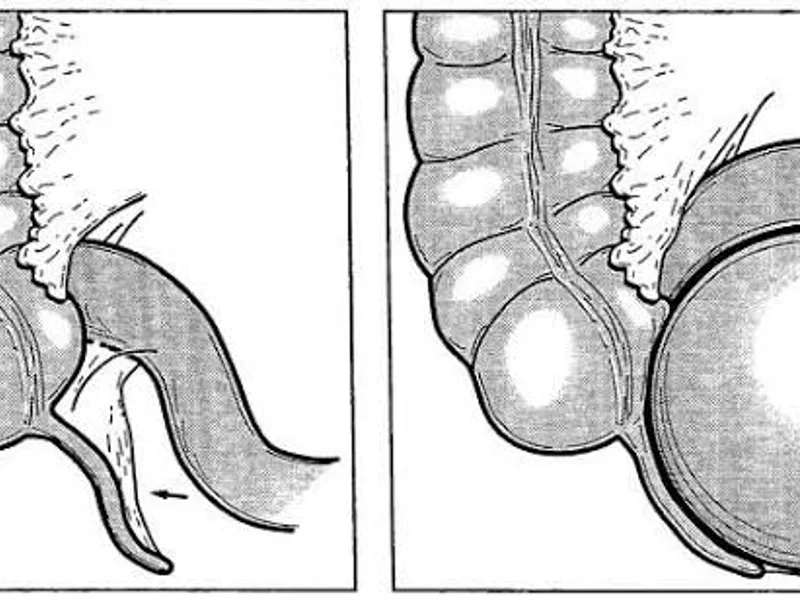
A mesenteric cyst is a fluid-filled sac that develops within the mesentery — the fan-shaped fold of tissue that attaches the intestines to the back wall of the abdomen and carries blood vessels, lymphatics, and nerves to the bowel. These cysts can range from small, incidental findings with no symptoms at all, to large masses that cause significant abdominal swelling, pain, or even bowel obstruction if they press on or twist nearby intestinal loops.
The exact cause of mesenteric cysts isn't always clear, and this is an important point of reassurance for many families — particularly when a child is diagnosed. Most are thought to arise from developmental abnormalities in the lymphatic vessels of the mesentery, where lymphatic channels fail to connect properly during fetal development, leading to a gradual accumulation of fluid in an isolated pocket over time. Other less common causes include trauma, infection, or, rarely, tumors of the mesenteric tissue itself.
Symptoms vary enormously depending on the size and location of the cyst. Many small mesenteric cysts cause no symptoms at all and are discovered incidentally during imaging done for unrelated reasons. When symptoms do occur, the most common is a dull, persistent ache or sense of fullness in the abdomen, sometimes with a noticeable lump that can be felt through the abdominal wall. Larger cysts can cause nausea, vomiting, changes in bowel habits, or — in more urgent situations — sudden severe pain if the cyst twists (volvulus), ruptures, or causes a section of bowel to become obstructed or strangulated.
Risk factors for mesenteric cysts are not well defined in the way they are for, say, colorectal cancer, since these are largely developmental in origin. They can occur at any age, including in children, and there's no strong evidence linking them to lifestyle, diet, or family history in most cases. This makes them somewhat unpredictable — which is exactly why any unexplained abdominal lump or persistent discomfort deserves proper evaluation by a qualified surgeon rather than being dismissed.
If left untreated, complications can develop, particularly with larger cysts. These include torsion (twisting) of the cyst and the adjacent bowel, which cuts off blood supply and constitutes a surgical emergency; rupture of the cyst, which can cause sudden pain and, in some cases, infection of the abdominal cavity; hemorrhage into the cyst, causing rapid enlargement and pain; and chronic bowel obstruction from the cyst pressing on intestinal loops. For these reasons, even cysts that are currently causing minimal symptoms are often recommended for surgical removal once diagnosed, particularly if they're growing in size on follow-up imaging.
The encouraging news is that mesenteric cyst excision is generally a curative procedure — once the cyst is fully removed, recurrence is uncommon, and most patients return to completely normal health and activity levels. Early diagnosis and treatment, before complications like torsion or rupture occur, generally means a more straightforward surgery, shorter hospital stay, and quicker recovery.
For families researching care options, it's worth understanding what to expect in terms of consultation fees, OPD timings, and overall treatment costs before your first visit. General and gastrointestinal surgeons across Dhanbad typically offer outpatient consultations on weekdays, with fees commonly ranging between ₹200 and ₹550 depending on the surgeon's experience and the hospital's facilities. Before booking, it's also worth browsing experienced surgeons in Dhanbad and reading verified patient reviews, which can offer useful insight into how a particular surgical team communicates and manages post-operative follow-up — details that matter just as much as the surgery itself.
For appointments call 8877772277.
Average Mesenteric Cyst Excision Cost in Dhanbad
The cost of mesenteric cyst excision depends on the size and location of the cyst, whether the surgery is performed laparoscopically or as open surgery, whether any portion of the bowel needs to be removed alongside the cyst, and the length of hospital stay required. Below is a general guide based on typical costs at hospitals in Dhanbad.
Procedure | Cost Range | Hospital Stay |
|---|
Laparoscopic excision of small mesenteric cyst | ₹45,000 – ₹85,000 | 2–4 days |
Open excision of mesenteric cyst (moderate size) | ₹50,000 – ₹95,000 | 3–6 days |
Excision of large mesenteric cyst with marsupialization | ₹60,000 – ₹1,10,000 | 4–7 days |
Mesenteric cyst excision with bowel resection | ₹85,000 – ₹1,60,000 | 6–10 days |
Pediatric mesenteric cyst excision | ₹50,000 – ₹1,00,000 | 4–7 days |
Emergency surgery for cyst torsion/rupture | ₹70,000 – ₹1,40,000 | 5–9 days |
Diagnostic laparoscopy with cyst aspiration | ₹30,000 – ₹55,000 | 1–2 days |
Post-operative follow-up imaging (per scan) | ₹2,000 – ₹6,000 | Outpatient |
A note on PMJAY (Ayushman Bharat): Mesenteric cyst excision is generally classified as a medically necessary general surgical procedure, and is often covered under PMJAY (Ayushman Bharat) at empanelled hospitals for eligible cardholders, including in cases involving children. Coverage typically includes the surgery, hospital stay in a general ward, and standard surgical consumables. As costs and coverage details can change, it's always worth confirming directly with the hospital's billing or insurance desk what portion of your specific procedure is covered before surgery.
Why Mesenteric Cyst Excision Is Performed
Surgeons recommend removing a mesenteric cyst for several important reasons, even when the cyst itself isn't currently causing severe symptoms:
To relieve abdominal pain or discomfort caused by the cyst pressing on surrounding organs and tissues.
To prevent torsion (twisting) of the cyst and adjacent bowel loops, which can cut off blood supply and become a surgical emergency.
To rule out malignancy — while the vast majority of mesenteric cysts are benign, removal allows for definitive tissue diagnosis under a microscope, providing peace of mind.
To resolve bowel obstruction caused by a cyst large enough to compress or kink nearby intestinal loops.
To prevent rupture of the cyst, which can cause sudden pain and, occasionally, infection within the abdominal cavity.
To address rapid growth seen on follow-up imaging, which may indicate the cyst is unlikely to remain stable or asymptomatic.
To manage hemorrhage into the cyst, which can cause sudden enlargement, pain, and in some cases anemia.
To improve quality of life for patients experiencing chronic bloating, early satiety, or a visible abdominal swelling.
To prevent recurrent infections in cysts that have become secondarily infected.
To allow normal growth and development in children, particularly when a large cyst is affecting appetite, nutrition, or comfort.
Benefits of Mesenteric Cyst Excision Surgery
Curative in the vast majority of cases — once fully excised, mesenteric cysts very rarely recur, offering a lasting solution rather than ongoing management.
Resolves pain and discomfort quickly — many patients notice significant relief from abdominal pain and bloating almost immediately after recovery from surgery.
Eliminates the risk of torsion or rupture — removing the cyst removes the underlying risk of these potentially serious emergencies altogether.
Provides definitive diagnosis — pathological examination of the removed cyst confirms it is benign, providing reassurance and ruling out rarer concerning causes.
Often performed laparoscopically — for many patients, this means smaller incisions, less post-operative pain, and a faster return to normal activities.
Restores normal bowel function — in cases where the cyst was causing partial obstruction, removal restores normal digestion and bowel habits.
Improves appetite and nutrition — particularly relevant for children, where a large cyst can cause early fullness and reduced food intake.
Resolves visible abdominal swelling — for patients self-conscious about a visible lump, surgery offers a clear cosmetic improvement alongside the medical benefit.
Short recovery time for most cases — uncomplicated excisions, especially laparoscopic ones, often allow return to normal activity within a few weeks.
Prevents long-term complications — including chronic pain, recurrent infections, and the gradual growth of the cyst over years if left untreated.
Choosing the Right Surgeon in Dhanbad: What to Look For
Rather than recommending specific individuals, here's a practical framework for evaluating any general or gastrointestinal surgeon in Dhanbad for mesenteric cyst excision.
Qualifications to verify:
MBBS with a postgraduate qualification in General Surgery (MS), and ideally additional training or fellowship in laparoscopic/minimally invasive surgery
For pediatric cases, look specifically for a surgeon with M.Ch in Pediatric Surgery or significant documented experience operating on children
Valid registration with the State Medical Council, which can be verified on request
Questions worth asking at your consultation:
Based on the imaging, what size and location is the cyst, and does that affect the surgical approach?
Is laparoscopic (keyhole) removal an option for this cyst, or is open surgery recommended, and why?
Is there a chance any portion of the bowel will need to be removed along with the cyst?
What does the pathology report typically take to come back, and how will results be communicated?
What is the expected hospital stay and recovery timeline for this specific case?
Is the hospital empanelled under PMJAY/Ayushman Bharat for this procedure?
Hospital factors that affect outcomes:
Availability of laparoscopic equipment and surgeons trained in minimally invasive techniques
Pediatric anesthesia expertise, if the patient is a child
Access to pathology services for timely tissue analysis
Clear post-operative follow-up scheduling and accessible emergency contact
As always, reading recent and verified patient reviews for hospitals and surgical departments you're considering can offer a useful, real-world perspective on communication, post-operative care quality, and how effectively concerns are addressed after discharge.
Recovery After Mesenteric Cyst Excision
Recovery from mesenteric cyst excision is generally smoother and faster than many other abdominal surgeries, particularly when performed laparoscopically and without complications.
Immediate post-operative period (Days 1–3): Most patients are monitored in the hospital for one to several days depending on whether the surgery was laparoscopic or open, and whether any bowel resection was needed. Pain is managed with medication, and patients are usually encouraged to start moving — even just sitting up and short walks — within 24 hours to reduce the risk of blood clots and support digestive recovery.
Early home recovery (Weeks 1–3): For laparoscopic procedures without complications, many patients are discharged within 2-3 days and can resume light activities at home almost immediately, with full activity typically resumed within 2-3 weeks. Open surgery or cases involving bowel resection generally require a longer hospital stay and a more gradual return to normal activity, often spanning 4-6 weeks.
Diet during recovery: Most patients can resume a normal diet relatively quickly after mesenteric cyst excision, especially if no bowel resection was required. In the first few days, a light, easily digestible diet — soups, khichdi, boiled foods, and plenty of fluids — is generally recommended, gradually transitioning back to a regular diet as the surgeon advises. If bowel resection was part of the procedure, dietary progression may be slower and more carefully monitored.
Restrictions to be aware of:
Avoid heavy lifting and strenuous activity for 2-4 weeks for laparoscopic procedures, or longer for open surgery
Keep surgical incision sites clean and dry until fully healed, following your surgeon's wound care instructions
Driving is usually avoided for at least 1-2 weeks, or longer depending on pain levels and medication use
Gradual return to exercise is recommended, starting with walking and avoiding core-intensive activities until cleared by your surgeon
Follow-up schedule: A first follow-up visit is typically scheduled around 1-2 weeks after surgery to check the incision sites and review the pathology report confirming the cyst was benign. Further follow-up is generally minimal for uncomplicated cases, though your surgeon may recommend a follow-up scan at a later date simply to confirm there's no recurrence, particularly in cases where complete excision was technically challenging.
Warning signs that need urgent medical attention:
Increasing abdominal pain, especially if severe or sudden
Fever, chills, or signs of infection at incision sites (redness, swelling, discharge)
Persistent nausea or vomiting
Inability to pass gas or stool, or significant abdominal bloating
Excessive bleeding from incision sites
Dizziness, rapid heartbeat, or signs of internal bleeding
Any of these symptoms should prompt immediate contact with your surgical team rather than waiting for a scheduled appointment.
Risks and Complications
Mesenteric cyst excision is generally a safe procedure, but as with any surgery, it carries some risks worth understanding:
Bleeding — Because the mesentery contains numerous blood vessels supplying the bowel, careful dissection is needed to avoid significant bleeding during cyst removal.
Injury to adjacent bowel — Given the close relationship between the cyst and intestinal loops, there's a small risk of injury to the bowel during excision, which may require repair or, rarely, resection.
Need for bowel resection — In some cases, the cyst is so closely attached to a segment of bowel that removing it safely requires removing that portion of intestine as well, which the surgeon may only determine during the operation.
Infection — As with any surgery, there's a risk of surgical site infection, managed with antibiotics and proper wound care.
Recurrence — While rare, incomplete removal of the cyst wall can occasionally lead to recurrence, which is part of why pathology confirmation and surgical thoroughness matter.
Conversion from laparoscopic to open surgery — In some cases, what begins as a laparoscopic procedure may need to be converted to open surgery if the cyst is larger, more adherent, or more complex than initially anticipated on imaging.
Adhesions and bowel obstruction later in life — As with any abdominal surgery, scar tissue can form internally, which in rare cases can lead to bowel obstruction months or years later.
Anesthesia-related risks — General anesthesia carries its own small risks, which are assessed and discussed individually based on the patient's overall health, especially relevant for very young children or older adults.
Delayed wound healing — More common in patients with diabetes, poor nutrition, or other underlying health conditions.
Fluid collection (seroma) at the surgical site — Occasionally, fluid can accumulate where the cyst was removed, which usually resolves on its own but occasionally requires drainage.
Most of these risks are uncommon, and the overall complication rate for mesenteric cyst excision is low, particularly for cysts identified and treated before they cause torsion, rupture, or significant bowel involvement.
Frequently Asked Questions – Mesenteric Cyst Excision Surgery in Dhanbad
1. Are mesenteric cysts cancerous? The vast majority of mesenteric cysts are benign — non-cancerous fluid-filled sacs related to developmental abnormalities of the lymphatic system within the mesentery. Malignant mesenteric cysts are extremely rare. However, because imaging alone cannot always definitively rule out malignancy, surgeons typically recommend removal so the tissue can be examined under a microscope, providing a definitive answer and complete peace of mind. If you've been told you have a mesenteric cyst, this is generally reassuring news, though your surgeon will discuss your specific imaging findings with you.
2. How is a mesenteric cyst diagnosed? Mesenteric cysts are most commonly identified through imaging — an ultrasound, CT scan, or MRI of the abdomen — often performed to investigate unexplained abdominal pain, a palpable lump, or as an incidental finding during imaging done for another reason entirely. These scans can usually show the size, location, and characteristics of the cyst, helping the surgical team plan the best approach for removal. In some cases, additional blood tests may be done to rule out other conditions before surgery.
3. Can a mesenteric cyst go away on its own without surgery? It's uncommon for mesenteric cysts to resolve completely on their own, particularly larger ones. Very small, incidentally discovered cysts that are not causing any symptoms may sometimes be monitored with periodic imaging rather than immediately operated on, depending on your surgeon's assessment. However, most symptomatic cysts, or those showing growth on follow-up scans, are recommended for surgical removal since this offers a definitive, lasting solution rather than ongoing uncertainty.
4. Is the surgery done through a small incision (laparoscopic) or open surgery? Many mesenteric cysts, particularly smaller to moderate-sized ones, can be removed laparoscopically — through several small incisions using a camera and specialized instruments. This generally results in less post-operative pain, smaller scars, and faster recovery. However, larger cysts, those in difficult locations, or cases where bowel resection may be needed are sometimes better suited to open surgery, where the surgeon makes a single larger incision for direct access. Your surgical team will determine the best approach based on your imaging and overall health.
5. Will I need to have part of my intestine removed along with the cyst? In most cases, no — the cyst can be carefully separated from the surrounding bowel and removed on its own. However, in a smaller number of cases, the cyst is so closely attached to a segment of intestine that the blood supply to that section would be compromised if the cyst were removed alone, making bowel resection the safer option. This is sometimes only determined during the surgery itself, and your surgical team will discuss this possibility with you beforehand as part of informed consent.
6. How long is the hospital stay for this surgery? For laparoscopic excision without complications, hospital stays are often as short as 2-4 days. Open surgery, or cases involving bowel resection, typically require longer stays — often in the range of 5-10 days — to allow for adequate monitoring of bowel function and wound healing before discharge. Your surgical team will give you a more specific estimate based on your individual case and how surgery progresses.
7. Is this surgery safe for children? Yes, mesenteric cyst excision is commonly and safely performed in children, including infants, when needed. Pediatric surgical teams are experienced in managing the specific considerations involved — appropriate anesthesia for young patients, smaller surgical fields, and tailored post-operative care. Many mesenteric cysts in children are actually identified incidentally, and removal generally allows for completely normal growth and development afterward.
8. What does recovery look like in terms of returning to school or work? For laparoscopic procedures without complications, many patients — including children returning to school — can resume normal activities within 1-3 weeks, once cleared by their surgeon. Open surgery or cases involving bowel resection typically require a longer recovery period, often 4-6 weeks, before returning to more physically demanding activities. Your surgical team will provide guidance specific to your situation and type of work or school activities.
9. Will I need any ongoing treatment or medication after surgery? For most patients, mesenteric cyst excision is a one-time, curative procedure that doesn't require ongoing medication specifically related to the cyst itself. Pain medication is typically needed only for the initial recovery period. If bowel resection was performed, your surgeon may provide more specific dietary guidance during recovery, but long-term medication is generally not required for this condition.
10. How can I find an experienced surgeon for this procedure in Dhanbad? Look for a general surgeon or gastrointestinal surgeon with documented experience in laparoscopic abdominal surgery, and for pediatric cases, a pediatric surgeon specifically. You can browse specialist doctors in Dhanbad to compare qualifications, experience levels, and patient reviews, which can help you make an informed choice before booking your consultation.
11. What is marsupialization, and when is it used instead of full excision? Marsupialization is a technique where the cyst is opened and its edges are stitched to the surrounding tissue, allowing it to drain and gradually close on its own, rather than being completely removed. This approach is sometimes used for very large cysts where complete excision would be technically difficult or risky, particularly if the cyst is closely intertwined with major blood vessels. Your surgeon will discuss whether this approach is appropriate for your specific situation, weighing the benefits against the slightly higher chance of recurrence compared to complete excision.
12. Can mesenteric cysts come back after surgery? Recurrence after complete surgical excision is uncommon. The risk is somewhat higher if only partial removal or marsupialization was performed, since some cyst lining tissue may remain. This is one reason your surgeon will aim for complete excision wherever safely possible, and why occasional follow-up imaging may be recommended in certain cases to monitor for any signs of recurrence over time.
13. Is this an emergency surgery, or can it be planned in advance? This depends entirely on the circumstances. If a mesenteric cyst is causing acute torsion, rupture, or sudden severe pain, it becomes an emergency requiring immediate surgery. However, most mesenteric cysts are diagnosed in a non-emergency setting — through imaging done for milder, ongoing symptoms or as an incidental finding — allowing the surgery to be planned in advance, which generally allows for better preparation, scheduling, and a smoother overall experience.
14. Will I have a visible scar after surgery? Laparoscopic surgery typically leaves several small scars, usually less than 1-2 cm each, which tend to fade significantly over time. Open surgery results in a larger incision scar, the size and location of which depends on the size and position of the cyst. Your surgeon can discuss expected scarring as part of your pre-operative consultation, and most patients find that scars become much less noticeable within a year.
15. Does PMJAY/Ayushman Bharat cover this surgery for both adults and children? Yes, PMJAY coverage generally extends to medically necessary general surgical procedures for both adults and children at empanelled hospitals, for eligible cardholders. Since coverage details can vary by hospital and procedure code, it's best to confirm directly with the hospital's billing or insurance desk before surgery exactly what will be covered for your specific case.
Cost Summary
Laparoscopic excision is generally less expensive overall due to shorter hospital stays, despite sometimes higher equipment-related charges
Open surgery and cases involving bowel resection carry higher costs primarily due to longer hospital stays and more intensive post-operative monitoring
Pediatric cases may involve additional costs related to specialized anesthesia and monitoring
Pathology testing of the removed cyst is typically included in surgical packages but is worth confirming on your cost estimate
Emergency surgery for complications like torsion or rupture tends to cost more due to the urgency and additional pre-operative stabilization required
PMJAY/Ayushman Bharat coverage can significantly reduce or eliminate out-of-pocket costs at empanelled hospitals for eligible patients
Follow-up imaging, if recommended, is usually a separate, relatively low-cost expense
Always request a detailed, itemized cost estimate covering surgeon's fees, anesthesia, OT charges, hospital stay, and consumables before proceeding
Conditions Treated by Mesenteric Cyst Excision Surgery in Dhanbad
• Lymphatic (Chylous) Mesenteric Cysts
The most common type of mesenteric cyst, these arise from developmental abnormalities in the lymphatic vessels within the mesentery, leading to a slowly enlarging fluid-filled sac. They're often discovered incidentally or present with vague abdominal discomfort, and surgical excision is typically curative with very low recurrence rates.
• Enteric Duplication Cysts
These are rare congenital cysts that form alongside a segment of the intestine, sometimes sharing a blood supply or muscular wall with the adjacent bowel. They can cause obstruction, bleeding, or infection if untreated, and surgical removal — sometimes including a portion of the adjacent bowel — provides definitive treatment, particularly important in pediatric cases.
• Mesenteric Cyst Torsion
This occurs when a mesenteric cyst twists on its stalk, cutting off its blood supply and often that of nearby bowel loops as well. It presents as sudden, severe abdominal pain and constitutes a surgical emergency, requiring prompt excision to prevent loss of bowel tissue.
• Hemorrhagic Mesenteric Cysts
In some cases, bleeding occurs within a mesenteric cyst, causing it to rapidly increase in size and become acutely painful. This can sometimes mimic other abdominal emergencies on initial presentation, and surgical excision both treats the immediate problem and provides a definitive diagnosis.
• Infected Mesenteric Cysts
Occasionally, a mesenteric cyst becomes secondarily infected, presenting with fever, increasing pain, and signs of systemic infection. Treatment typically involves a combination of antibiotics and surgical drainage or excision, depending on the severity and the patient's overall condition.
• Mesenteric Cysts Causing Bowel Obstruction
Larger cysts can press on or kink adjacent loops of bowel, leading to symptoms of obstruction — abdominal distension, vomiting, and inability to pass stool or gas. Surgical removal of the cyst relieves the pressure and restores normal bowel function.
• Pseudocysts of the Mesentery
These can develop following abdominal trauma, surgery, or inflammation (such as pancreatitis), forming a fluid-filled collection within the mesentery that may persist and require surgical management if it doesn't resolve on its own or causes ongoing symptoms.
• Mesenteric Cysts in Infants and Young Children
In pediatric patients, mesenteric cysts may present with abdominal distension, feeding difficulties, or be discovered incidentally during evaluation for other concerns. Early surgical removal allows normal growth and development without ongoing risk of complications as the child grows.
• Recurrent Mesenteric Cysts
In rare cases where a previous procedure (such as marsupialization) didn't completely remove the cyst lining, recurrence can occur, requiring a more definitive surgical approach for complete excision and resolution.
• Mesenteric Cysts Mimicking Ovarian Cysts
In some women, mesenteric cysts located in the lower abdomen or pelvis can be initially mistaken for ovarian cysts on imaging due to their location and appearance. Careful evaluation and, where needed, surgical exploration helps establish the correct diagnosis and guide appropriate treatment.
Why Choose a Specialist Surgical Team in Dhanbad
Mesenteric cyst excision, while generally a safe and well-understood procedure, benefits significantly from being performed by a surgical team experienced in abdominal and laparoscopic surgery — and this matters for several practical reasons.
First, accurate pre-operative planning depends on careful interpretation of imaging to understand the cyst's size, location, and relationship to surrounding structures, particularly major blood vessels and bowel loops. A surgical team experienced with these cases is better equipped to anticipate challenges and plan the safest surgical approach, whether laparoscopic or open.
Second, the decision about whether bowel resection is needed alongside cyst removal often can't be made with certainty until surgery is underway. An experienced team is better positioned to make these intraoperative judgment calls confidently and safely, balancing complete cyst removal against preserving as much healthy bowel as possible.
Third, for cases involving children, pediatric-specific expertise matters enormously — not just surgical technique, but anesthesia considerations, appropriately sized instruments, and post-operative care tailored to a child's needs. Hospitals with dedicated pediatric surgical capability offer real advantages for these cases.
Fourth, access to laparoscopic facilities and trained staff can make a meaningful difference in recovery time and post-operative comfort for suitable cases. Not every hospital offers the same level of minimally invasive surgical capability, so this is worth asking about directly.
Finally, timely access to pathology services ensures that the tissue removed during surgery can be analyzed promptly, providing definitive confirmation that the cyst was benign and giving patients and families clear, timely answers rather than prolonged uncertainty.
For patients and families in Dhanbad, taking a little time to ask about a surgical team's experience with this specific procedure — and reading recent patient reviews — can provide valuable confidence going into surgery, even for a condition that is generally very treatable.
Conclusion
A diagnosis of a mesenteric cyst can sound alarming simply because it's an unfamiliar term for most people — but in the context of abdominal surgery, it's one of the more reassuring diagnoses to receive. The vast majority of mesenteric cysts are benign, surgical removal is generally curative, and recurrence after complete excision is uncommon.
What matters most is timely evaluation once a cyst is identified — whether through imaging done for symptoms or as an incidental finding — and a clear conversation with your surgical team about the size, location, and recommended approach for removal. For many patients, particularly those with smaller cysts, laparoscopic advanced surgical care offers a faster recovery with minimal scarring, while larger or more complex cysts may require open surgery, occasionally including a portion of the adjacent bowel.
Recovery is generally smooth, especially compared to many other abdominal procedures, and most patients — including children — return fully to normal activities within a few weeks. If you or a family member has been diagnosed with a mesenteric cyst in Dhanbad, take the opportunity to ask your surgical team detailed questions about your specific imaging findings, the planned surgical approach, and what recovery will look like for your situation. Going in well-informed makes the entire experience considerably less stressful — and for this particular condition, the outlook is genuinely good.
📞 For appointments call 8877772277.