Excision of Omental Cyst Surgery in Dhanbad: A Complete Guide for Patients and Families
Introduction
If you or a loved one has recently been told about an "omental cyst" after an ultrasound or CT scan, it's natural to feel a flood of questions — what exactly is it, why did it form, is it dangerous, and what does the surgery actually involve? Omental cysts are uncommon enough that most people have never encountered the term before, yet they're well within the everyday expertise of general and gastrointestinal surgeons, and surgical removal is generally a safe, effective, and often curative procedure.
This guide aims to walk through the condition from start to finish — what an omental cyst is, why it develops, the symptoms that bring people to a doctor, how it's diagnosed, what the surgery involves, what recovery looks like, and what costs to expect in Dhanbad. Whether you're researching ahead of a planned surgery or trying to understand a recent diagnosis, the goal is to leave you with clear, practical answers.
The omentum is a large, apron-like fold of fatty tissue that hangs from the stomach and covers the intestines, playing a role in immune defense and helping to seal off areas of infection or injury within the abdomen. An omental cyst is a fluid-filled sac that develops within this tissue. Like mesenteric cysts, they're relatively rare and are thought to arise primarily from developmental abnormalities in the lymphatic channels within the omentum, where isolated pockets of lymphatic tissue gradually fill with fluid over time, forming a cyst that can range from a few centimeters to, in some cases, quite large.
Causes aren't always entirely clear-cut, and for most patients — including children, in whom omental cysts are also seen — there's no identifiable lifestyle factor, dietary cause, or hereditary link. Less commonly, omental cysts can form following abdominal trauma, surgery, or inflammation, where fluid becomes walled off within the omental tissue (sometimes called a pseudocyst in these cases).
Symptoms depend largely on the size of the cyst. Many small omental cysts are entirely silent, discovered only incidentally during imaging done for an unrelated reason. Larger cysts more commonly cause a dull, aching abdominal discomfort, a sensation of fullness or bloating, or a palpable lump that the patient or a family member may notice while bathing or dressing. In some cases, particularly with very large cysts, patients report early satiety (feeling full after eating very little), mild nausea, or visible abdominal distension.
As with mesenteric cysts, there isn't a well-established set of risk factors in the traditional sense — omental cysts aren't linked to smoking, diet, obesity, or family history in any consistent way that's been identified. They can occur at any age, including in infants and young children, which is part of why an unexplained abdominal lump in a child should always be properly evaluated rather than assumed to be something minor.
If left untreated, larger omental cysts carry several potential risks. These include torsion, where the cyst twists on its base and cuts off its own blood supply, causing sudden severe pain and requiring emergency surgery; rupture, which can cause acute pain and occasionally lead to infection within the abdominal cavity; hemorrhage into the cyst, causing rapid enlargement; and, in rare cases, pressure effects on nearby organs as the cyst grows larger over time. Because of these risks — and because surgical removal is generally straightforward and curative — most omental cysts that are causing symptoms, or that are growing on follow-up imaging, are recommended for surgical excision.
The good news is that, much like mesenteric cysts, omental cysts respond very well to surgery. Once removed, recurrence is uncommon, and most patients — adults and children alike — return to completely normal health and activity within a few weeks. Catching and treating the cyst before it causes torsion or rupture generally means a smoother, less complex surgery and a faster recovery overall.
For families planning ahead, it helps to understand consultation fees, OPD timings, and overall treatment costs before the first visit. General and gastrointestinal surgeons across Dhanbad typically offer outpatient consultations on weekdays, with fees generally ranging from around ₹200 to ₹550 depending on the surgeon's experience and the hospital. It's also worth taking the time to browse top female specialists in Dhanbad and reading verified patient reviews, which can offer a useful sense of how a hospital's surgical and post-operative care teams communicate with patients and families — something that matters a great deal when navigating an unfamiliar diagnosis.
For appointments call 8877772277.
Average Omental Cyst Excision Cost in Dhanbad
The cost of omental cyst excision depends on the size of the cyst, whether the procedure is performed laparoscopically or via open surgery, whether any additional procedures (such as omentectomy of surrounding tissue) are required, and the length of hospital stay needed for recovery. Below is a general cost guide based on typical pricing at hospitals in Dhanbad.
Procedure | Cost Range | Hospital Stay |
|---|
Laparoscopic excision of small omental cyst | ₹40,000 – ₹80,000 | 2–4 days |
Open excision of omental cyst (moderate size) | ₹50,000 – ₹90,000 | 3–5 days |
Excision of large omental cyst | ₹60,000 – ₹1,10,000 | 4–7 days |
Omental cyst excision with partial omentectomy | ₹70,000 – ₹1,30,000 | 5–8 days |
Pediatric omental cyst excision | ₹50,000 – ₹95,000 | 4–7 days |
Emergency surgery for cyst torsion/rupture | ₹65,000 – ₹1,35,000 | 5–9 days |
Diagnostic laparoscopy with biopsy | ₹30,000 – ₹55,000 | 1–2 days |
Post-operative follow-up imaging (per scan) | ₹2,000 – ₹6,000 | Outpatient |
A note on PMJAY (Ayushman Bharat): Omental cyst excision is generally classified as a medically necessary general surgical procedure and is commonly covered under PMJAY (Ayushman Bharat) at empanelled hospitals for eligible cardholders, including for pediatric patients. Coverage typically includes the surgical procedure, general ward hospital stay, and standard surgical consumables. As coverage details and empanelment status can change, it's always best to confirm directly with the hospital's billing or insurance desk what portion of your specific procedure is covered before surgery.
Why Omental Cyst Excision Is Performed
Surgeons recommend removing an omental cyst for several important reasons:
To relieve abdominal discomfort or pain caused by the cyst stretching or pressing on surrounding tissue.
To prevent torsion of the cyst on its base, which can cut off blood supply and become a surgical emergency requiring urgent intervention.
To rule out malignancy — while the overwhelming majority of omental cysts are benign, removal allows for definitive examination of the tissue under a microscope.
To address rapid growth identified on follow-up imaging, since growing cysts are less likely to remain asymptomatic.
To prevent rupture, which can cause sudden severe pain and, occasionally, infection within the abdominal cavity.
To manage hemorrhage into the cyst, which can cause sudden enlargement and pain.
To relieve pressure on nearby organs, particularly with larger cysts that cause early satiety, bloating, or visible distension.
To improve quality of life for patients dealing with chronic discomfort or self-consciousness about a visible abdominal lump.
To prevent recurrent infection in cysts that have become secondarily infected.
To allow normal growth and comfort in children, particularly when a cyst is affecting appetite or daily activity.
Benefits of Omental Cyst Excision Surgery
Generally curative — once the cyst is fully removed, recurrence is uncommon, providing a long-term solution rather than ongoing monitoring.
Quick relief from discomfort — many patients notice a significant reduction in bloating and abdominal pain soon after recovering from surgery.
Eliminates the risk of torsion or rupture — removing the cyst removes the underlying risk of these emergencies entirely.
Definitive diagnosis through pathology — examination of the removed tissue confirms the cyst is benign, providing reassurance.
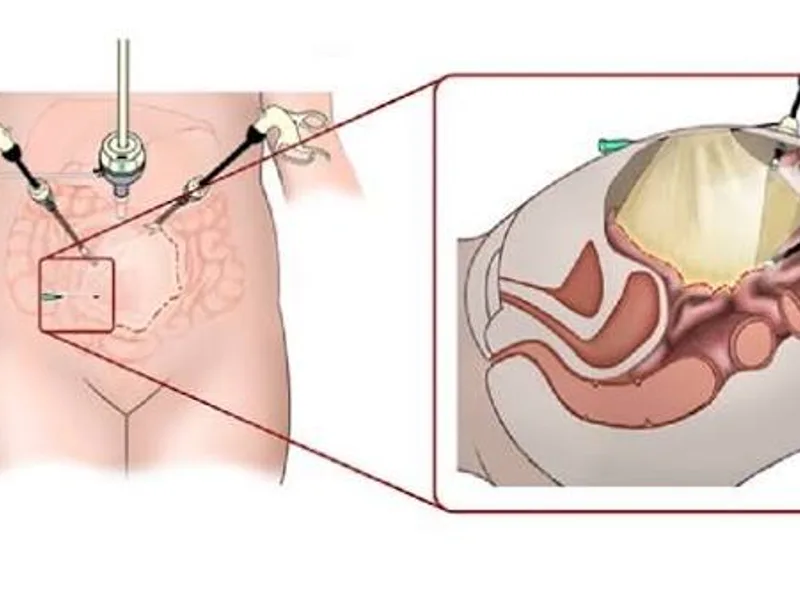
Often suitable for laparoscopic surgery — meaning smaller incisions, less post-operative pain, and quicker recovery for many patients.
Improves appetite and digestion — particularly relevant for patients (including children) who experienced early fullness due to the cyst's size.
Resolves visible abdominal swelling — providing both medical and cosmetic improvement for patients with larger cysts.
Short recovery period for most cases — many patients return to normal activities within a few weeks, especially after laparoscopic surgery.
Reduces anxiety from uncertainty — having a clear diagnosis and resolution can be a significant relief for patients who've been living with an unexplained lump or discomfort.
Prevents long-term complications — including chronic discomfort, recurrent infection, and continued growth of the cyst if left untreated over years.
Choosing the Right Surgeon in Dhanbad: What to Look For
Rather than recommending specific individuals, here's a practical framework for evaluating any general or gastrointestinal surgeon in Dhanbad for omental cyst excision.
Qualifications to verify:
MBBS with a postgraduate qualification in General Surgery (MS), ideally with additional training in laparoscopic/minimally invasive techniques
For pediatric patients, a surgeon with M.Ch in Pediatric Surgery or substantial documented experience operating on children
Active registration with the State Medical Council, verifiable on request
Questions worth asking at your consultation:
Based on imaging, what is the size and exact location of the cyst, and how does that affect the surgical plan?
Can this be done laparoscopically, or is open surgery recommended for this case, and why?
Is there any chance additional tissue (such as part of the omentum) will need to be removed along with the cyst?
How will pathology results be communicated, and what's the typical turnaround time?
What is the expected hospital stay and recovery timeline for a case like this?
Is the hospital empanelled under PMJAY/Ayushman Bharat for this procedure?
Hospital factors that affect outcomes:
Availability of laparoscopic facilities and surgeons trained in minimally invasive surgery
Pediatric anesthesia expertise, where relevant
Access to timely pathology and imaging services
Clear post-operative follow-up scheduling and an accessible point of contact for concerns after discharge
Reading recent, verified patient reviews of hospitals and surgical departments you're considering can provide valuable, real-world insight into communication, post-operative support, and overall patient experience.
Recovery After Omental Cyst Excision
Recovery from omental cyst excision tends to be relatively smooth, particularly for laparoscopic procedures and smaller cysts.
Immediate post-operative period (Days 1–3): Most patients are observed in the hospital for one to several days, depending on whether the surgery was laparoscopic or open and the size of the cyst removed. Pain is managed with medication, and early mobilization — sitting up, short walks — is encouraged within the first day to support recovery and reduce the risk of complications like blood clots.
Early home recovery (Weeks 1–3): For laparoscopic procedures, many patients are discharged within 2-3 days and can resume light activities at home almost immediately, with most returning to normal routines within 2-3 weeks. Open surgery, or cases involving larger cysts or additional tissue removal, generally requires a slightly longer hospital stay and a more gradual return to full activity, often around 4-6 weeks.
Diet during recovery: Most patients can return to a normal diet fairly quickly. In the initial days after surgery, a light, easily digestible diet — such as soups, khichdi, boiled vegetables, and plenty of fluids — is usually recommended, with a gradual transition back to regular food as tolerated and as advised by the surgical team.
Restrictions to be aware of:
Avoid heavy lifting and strenuous exercise for 2-4 weeks for laparoscopic procedures, longer for open surgery
Keep the surgical site clean and dry, following wound care instructions provided at discharge
Avoid driving for at least 1-2 weeks, or longer if pain medication is still being used
Resume exercise gradually, starting with walking, and avoid core-focused activity until cleared by your surgeon
Follow-up schedule: A first follow-up visit is typically scheduled around 1-2 weeks after surgery to check the surgical site and discuss the pathology results confirming the cyst was benign. Beyond this, follow-up is generally minimal for uncomplicated cases, though your surgeon may suggest a follow-up scan at a later date if there was any uncertainty about complete removal during surgery.
Warning signs that need urgent medical attention:
Increasing or severe abdominal pain
Fever, chills, or signs of infection at the incision site (redness, swelling, discharge)
Persistent nausea or vomiting
Significant abdominal bloating or inability to pass gas or stool
Excessive bleeding from the incision site
Dizziness or rapid heartbeat
These symptoms should prompt immediate contact with your surgical team rather than waiting for a scheduled follow-up.
Risks and Complications
Omental cyst excision is generally a low-risk procedure, but as with any surgery, there are potential complications worth understanding:
Bleeding — The omentum has a rich blood supply, so careful surgical technique is needed to minimize bleeding during cyst removal.
Injury to nearby organs — Given the omentum's position covering the intestines and stomach, there's a small risk of injury to adjacent structures during surgery.
Infection — As with any surgical procedure, there's a risk of infection at the incision site, managed with antibiotics and proper wound care.
Recurrence — Uncommon after complete excision, but incomplete removal of the cyst wall can occasionally lead to recurrence.
Conversion from laparoscopic to open surgery — If the cyst is larger or more complex than anticipated on imaging, the surgeon may need to switch from a laparoscopic to an open approach for safety.
Need for additional tissue removal — In some cases, a portion of the surrounding omentum may need to be removed along with the cyst, determined during surgery.
Adhesions — As with any abdominal surgery, internal scar tissue can form, which in rare cases may cause issues like bowel obstruction years later.
Anesthesia-related risks — General anesthesia carries small individual risks, assessed based on the patient's age and overall health, particularly relevant for very young children.
Delayed wound healing — More likely in patients with diabetes, poor nutrition, or other underlying conditions affecting healing.
Fluid collection (seroma) at the surgical site — Occasionally occurs where the cyst was removed, usually resolving on its own but occasionally needing drainage.
The overall complication rate for omental cyst excision is low, and most patients recover without significant issues, particularly when the cyst is identified and treated before complications like torsion or rupture occur.
Frequently Asked Questions – Omental Cyst Excision Surgery in Dhanbad
1. Is an omental cyst the same as a mesenteric cyst? They're related but distinct — both are fluid-filled cysts that arise from developmental abnormalities in lymphatic tissue within the abdomen, but they occur in different locations. Mesenteric cysts develop within the mesentery, the tissue connecting the intestines to the abdominal wall, while omental cysts develop within the omentum, the fatty apron-like tissue covering the intestines. Both are generally benign, diagnosed similarly through imaging, and treated with surgical removal, though their exact location can affect the surgical approach.
2. Are omental cysts dangerous? Most omental cysts, particularly smaller ones, cause no significant symptoms and aren't immediately dangerous. However, larger cysts carry a risk of torsion (twisting), rupture, or hemorrhage, which can cause sudden severe pain and require emergency surgery. This is part of why surgeons generally recommend removal once a cyst is diagnosed and causing symptoms, or when it's growing on follow-up imaging — addressing it proactively avoids these potential emergencies.
3. How is an omental cyst diagnosed? Omental cysts are typically identified through imaging — an abdominal ultrasound, CT scan, or MRI — often performed to investigate abdominal pain, a palpable lump, or bloating, or sometimes discovered incidentally during imaging for an unrelated condition. These scans help the surgical team understand the size, location, and characteristics of the cyst, which guides planning for the most appropriate surgical approach.
4. Will the surgery be laparoscopic or open? Many omental cysts, particularly smaller to moderate-sized ones, can be removed laparoscopically through several small incisions, generally resulting in less pain, smaller scars, and faster recovery. Larger cysts, or those in more complex locations, may be better suited to open surgery. Your surgical team will determine the most appropriate approach based on your imaging results and overall health, and will discuss this with you before the procedure.
5. Can an omental cyst be left alone if it's not causing symptoms? In some cases, very small, asymptomatic cysts discovered incidentally may be monitored with periodic imaging rather than immediately removed, depending on your surgeon's assessment. However, because of the risk of future torsion, rupture, or growth, most surgeons recommend removal once a cyst is identified, particularly if there's any uncertainty about its nature or if it shows growth over time. This is a conversation worth having directly with your surgical team based on your specific imaging findings.
6. How long will I need to stay in the hospital? For laparoscopic excision of smaller cysts, hospital stays are often as short as 2-4 days. Larger cysts, open surgery, or cases requiring additional tissue removal typically involve a longer stay, often in the range of 4-7 days, to allow for adequate monitoring and wound healing. Your surgical team will provide a more specific estimate based on your individual case.
7. Is this surgery safe for children? Yes, omental cyst excision is performed safely in children, including infants, when needed. Pediatric surgical teams manage the specific considerations involved — appropriate anesthesia, smaller surgical fields, and post-operative care tailored to a child's needs. Many cysts in children are identified incidentally during imaging for other reasons, and removal generally allows for completely normal growth and activity afterward.
8. What does the recovery timeline look like for returning to normal activities? For laparoscopic procedures without complications, many patients resume light activities within 1-2 weeks and full normal activity within 3-4 weeks. Open surgery or more complex cases generally require a longer recovery, often 4-6 weeks, before returning to physically demanding activities. Your surgeon will provide guidance specific to your case and lifestyle.
9. Will I need ongoing medication or treatment after surgery? For most patients, omental cyst excision is a one-time, curative procedure that doesn't require ongoing medication related to the cyst itself, beyond pain relief during the initial recovery period. If additional tissue removal was needed, your surgeon may provide more specific post-operative guidance, but long-term treatment is generally not necessary for this condition.
10. How do I find an experienced surgeon for this procedure in Dhanbad? Look for a general or gastrointestinal surgeon with documented experience in laparoscopic abdominal surgery, and for pediatric cases, a pediatric surgeon specifically. You can browse trusted surgeons in Dhanbad to compare qualifications, experience, and patient reviews, helping you make an informed decision before your consultation.
11. Can omental cysts come back after surgery? Recurrence after complete surgical excision is uncommon. The risk is somewhat higher if only partial removal was performed, since residual cyst lining tissue could potentially regrow. This is why surgeons aim for complete excision wherever it can be safely achieved, and why occasional follow-up imaging may be recommended in select cases.
12. Is this an emergency surgery, or can it usually be planned? This depends on the circumstances. If an omental cyst causes acute torsion, rupture, or sudden severe pain, it becomes a surgical emergency requiring immediate intervention. However, most omental cysts are diagnosed in a non-emergency setting through imaging done for milder symptoms or as an incidental finding, allowing the surgery to be scheduled in advance with proper preparation.
13. Will there be a visible scar? Laparoscopic surgery typically leaves several small scars, usually under 1-2 cm each, which fade considerably over time. Open surgery results in a larger incision, with size and location depending on the cyst's size and position. Most patients find scars become much less noticeable within a year, and your surgeon can discuss expected scarring during your pre-operative consultation.
14. What's the difference between an omental cyst and a hernia? While both can present as a lump in the abdomen, they're quite different conditions. A hernia occurs when an organ or tissue pushes through a weak spot in the abdominal muscle wall, while an omental cyst is a fluid-filled sac within the omental tissue itself, unrelated to muscle weakness. Imaging can usually distinguish between the two clearly, and the surgical approaches differ accordingly — though both are generally well-treated with surgery.
15. Does PMJAY/Ayushman Bharat cover this procedure? Yes, omental cyst excision is generally covered under PMJAY (Ayushman Bharat) for eligible cardholders at empanelled hospitals, for both adult and pediatric patients, as it's considered a medically necessary general surgical procedure. Since coverage specifics can vary, it's best to confirm directly with the hospital's billing or insurance desk exactly what will be covered for your case before surgery.
Cost Summary
Laparoscopic excision is generally less expensive overall due to shorter hospital stays and faster recovery
Larger cysts or those requiring additional tissue removal involve higher costs due to longer surgery and hospital stay
Pediatric cases may involve additional costs related to specialized anesthesia and monitoring
Pathology examination of the removed cyst is typically included in surgical packages, but worth confirming on your estimate
Emergency surgery for complications like torsion or rupture tends to cost more due to urgency and additional pre-operative care
PMJAY/Ayushman Bharat coverage can significantly reduce or eliminate out-of-pocket costs at empanelled hospitals
Follow-up imaging, if recommended, is typically a separate, relatively low-cost item
Always request a detailed, itemized cost estimate covering surgeon's fees, anesthesia, OT charges, hospital stay, and consumables
Conditions Treated by Omental Cyst Excision Surgery in Dhanbad
• Lymphatic Omental Cysts
The most common type, these arise from developmental abnormalities in the lymphatic vessels within the omentum, gradually forming a fluid-filled sac. Often discovered incidentally or causing mild, vague abdominal discomfort, surgical excision is typically curative with low recurrence rates.
• Omental Cyst Torsion
This occurs when the cyst twists on its stalk, cutting off its own blood supply and causing sudden, severe abdominal pain. It constitutes a surgical emergency requiring prompt removal to prevent tissue damage and further complications.
• Hemorrhagic Omental Cysts
Bleeding within an omental cyst can cause it to rapidly enlarge, leading to acute pain. This presentation can sometimes mimic other abdominal emergencies, and surgical excision both addresses the immediate issue and provides a definitive diagnosis.
• Infected Omental Cysts
In some cases, an omental cyst becomes secondarily infected, presenting with fever, worsening pain, and signs of systemic infection. Treatment generally involves antibiotics combined with surgical drainage or excision, depending on severity.
• Large Symptomatic Omental Cysts
Cysts that grow large enough to cause visible abdominal distension, early satiety, or significant discomfort are generally recommended for removal to relieve symptoms and prevent further complications associated with continued growth.
• Omental Pseudocysts
These can develop following abdominal trauma, prior surgery, or inflammation, forming a fluid collection within the omental tissue that may persist and require surgical management if it doesn't resolve on its own.
• Omental Cysts Causing Pressure Symptoms
Larger cysts pressing on the stomach or intestines can cause symptoms like early fullness, mild nausea, or changes in bowel habits. Removal of the cyst relieves this pressure and resolves the associated symptoms.
• Omental Cysts in Infants and Young Children
In pediatric patients, omental cysts may present as abdominal distension, a palpable lump, or feeding difficulties, or be found incidentally during evaluation for other concerns. Early surgical removal supports normal growth and development.
• Recurrent Omental Cysts
In rare cases where a previous procedure didn't fully remove the cyst lining, recurrence can occur, requiring a more thorough surgical approach for complete and lasting resolution.
• Omental Cysts Mimicking Other Abdominal Masses
Due to their location and appearance on imaging, omental cysts can sometimes be initially difficult to distinguish from other abdominal masses, including ovarian cysts, mesenteric cysts, or other fluid collections. Careful imaging review and, where needed, surgical exploration help establish the correct diagnosis and guide appropriate treatment.
Why Choose a Specialist Surgical Team in Dhanbad
While omental cyst excision is generally considered a routine and low-risk procedure for an experienced surgical team, the specifics of where and by whom it's performed still matter for several practical reasons.
First, accurate interpretation of pre-operative imaging is essential to understanding the size, location, and relationship of the cyst to surrounding structures like the stomach, intestines, and major blood vessels. Surgeons experienced with these cases are better equipped to plan the safest and most effective surgical approach, whether laparoscopic or open.
Second, intraoperative decisions — such as whether additional omental tissue needs to be removed alongside the cyst, or whether a planned laparoscopic approach needs to be converted to open surgery — are best made by surgeons with hands-on experience in similar cases, balancing thoroughness with safety.
Third, for pediatric cases, access to a surgical team with specific pediatric expertise matters significantly — not only for surgical technique, but for age-appropriate anesthesia, instrumentation, and post-operative care that accounts for a child's unique needs and recovery patterns.
Fourth, hospitals equipped with laparoscopic facilities and trained staff can offer real benefits in terms of recovery time and post-operative comfort for suitable cases, making this an important factor to ask about directly when choosing where to have surgery.
Finally, timely access to pathology services ensures that removed tissue can be examined promptly, giving patients and families clear, definitive answers about the nature of the cyst without unnecessary delay or anxiety.
For patients and families in Dhanbad, taking time to ask about a surgical team's experience with this specific procedure, and reading recent patient reviews, can provide meaningful confidence and clarity going into what is, for most patients, a very treatable condition.
Conclusion
An omental cyst diagnosis often arrives as a surprise — an unfamiliar term attached to a finding on a scan that was, in many cases, done for an entirely different reason. But within the world of abdominal surgery, it's generally one of the more reassuring diagnoses: the overwhelming majority of omental cysts are benign, surgical removal is usually straightforward and curative, and recurrence after complete excision is uncommon.
What matters most is timely evaluation once a cyst is identified, and an open conversation with your surgical team about its size, location, and the recommended approach for removal. For many patients, laparoscopic surgical procedures in Dhanbad offer a faster recovery with minimal scarring, while larger or more complex cysts may require open surgery for safe and complete removal.
Recovery is generally smooth, and most patients — including children — return to full normal activity within a few weeks. If you or a family member has been diagnosed with an omental cyst in Dhanbad, take the time to ask your surgical team detailed questions about your specific imaging findings, the planned approach, and what recovery will involve. Going into surgery well-informed makes the entire process considerably less stressful — and for this condition, the long-term outlook is genuinely good.
📞 For appointments call 8877772277.