Fatty Liver Disease
Introduction
The liver is the body’s ultimate multitasker. It filters blood, detoxifies chemicals, metabolizes drugs, and produces bile for digestion. It works silently, often without complaining, until it is overwhelmed. Fatty Liver Disease is a condition that occurs when excess fat builds up in the liver cells. While having some fat in the liver is normal, when it exceeds 5-10% of the liver's weight, it becomes a problem.
Fatty Liver Disease is often called a "silent killer" because it rarely causes symptoms in its early stages. It is increasingly common around the world, particularly in Western countries, largely due to lifestyle factors. Understanding this condition is vital because, if ignored, it can progress to severe liver damage, scarring, and even liver failure. The good news is that in many cases, it is reversible with lifestyle changes.
What is Fatty Liver Disease?
Fatty Liver Disease is not a single disease but a spectrum of liver conditions where too much fat is stored in liver cells. There are two main types:
Alcoholic Fatty Liver Disease (AFLD): Caused by heavy alcohol consumption.
Non-Alcoholic Fatty Liver Disease (NAFLD): Occurs in people who drink little to no alcohol. This is the most common form.
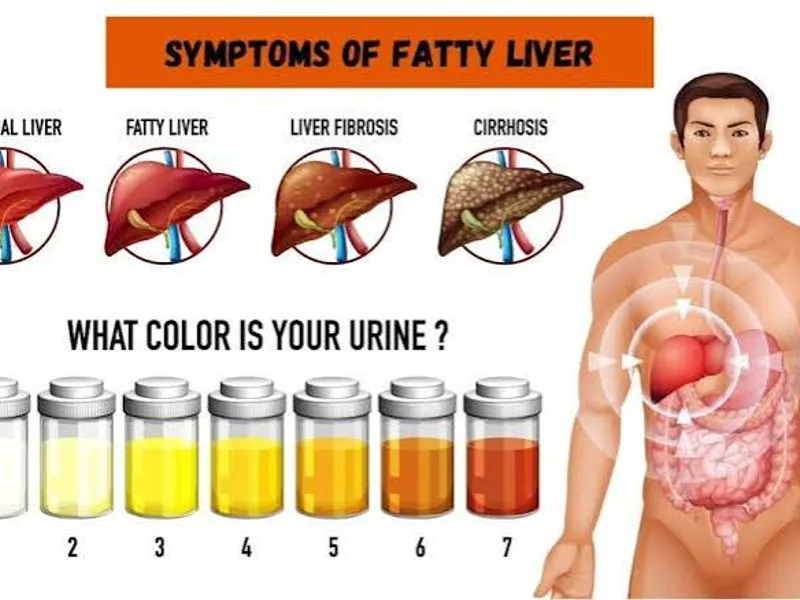
When NAFLD progresses, it can turn into Non-Alcoholic Steatohepatitis (NASH), where the liver becomes inflamed and the fat accumulation damages the liver cells. This inflammation can lead to fibrosis (scarring), cirrhosis (severe scarring), and eventually liver failure.
How the Immune System Normally Works
The liver is home to a specialized population of immune cells called Kupffer cells. These cells are the liver's resident defenders. They patrol the sinusoids (channels) of the liver, constantly checking the blood arriving from the intestines for toxins, bacteria, and other harmful substances.
In a healthy liver, Kupffer cells phagocytose (eat) debris and pathogens efficiently. They maintain an anti-inflammatory environment that allows the liver to regenerate and perform its metabolic functions peacefully. They release chemical signals that promote repair when minor injuries occur.
What Goes Wrong in This Disease
In Fatty Liver Disease, the delicate balance in the liver is disrupted. When fat droplets accumulate excessively in liver cells, the cells become stressed. They send out "danger signals."
The immune system, particularly the Kupffer cells, senses this stress. In response, they switch from a repair mode to an attack mode. They release pro-inflammatory cytokines. This inflammation is the body’s attempt to clear the fat or stressed cells, but it backfires. The inflammatory chemicals damage the very liver cells they are supposed to protect. This persistent, low-grade inflammation drives the progression from simple fatty liver (steatosis) to NASH (steatohepatitis). The liver becomes swollen and scar tissue begins to replace healthy tissue.
Causes and Triggers
The exact cause of NAFLD is not fully known, but it is strongly linked to metabolic syndrome.
Common Triggers and Risk Factors:
Obesity: Being overweight or obese significantly increases fat accumulation in the liver.
Insulin Resistance: Insulin resistance (common in Type 2 Diabetes) leads to higher levels of insulin, which promotes the accumulation of fat in the liver.
High Blood Sugar and Triglycerides: Elevated blood sugar and blood fats contribute to fat storage.
Diet: A diet high in processed foods, fructose (sugary drinks), and saturated fats.
Sedentary Lifestyle: Lack of physical activity reduces the body's ability to burn fat.
Genetic and Environmental Factors
Genetics play a significant role. Researchers have identified several genes that make people more susceptible to developing fatty liver disease, even if they are not obese. If you have a family history of liver disease, your risk is higher.
Environmental factors are the dominant trigger. The modern environment—high-calorie diets, constant snacking, lack of movement—creates an "obesogenic" atmosphere. Even if you are genetically susceptible, modifying your environment through diet and exercise can often prevent or even reverse the disease. Ethnicity also plays a role, with Hispanic individuals having a higher prevalence compared to African Americans.
Symptoms and Warning Signs
In the early stages of Fatty Liver Disease, symptoms are virtually non-existent. This is why regular check-ups are crucial. As the disease progresses to NASH or fibrosis, symptoms may appear:
Fatigue: A constant feeling of tiredness.
Pain in the Upper Right Abdomen: A dull ache or discomfort in the area where the liver is located.
Enlarged Liver: The liver may become enlarged, which a doctor can feel during a physical exam.
Jaundice: Yellowing of the skin or eyes (occurs in advanced stages).
Confusion: In severe cases, toxins that the liver cannot filter affect the brain (hepatic encephalopathy).
Diagnosis Process
Fatty Liver is often detected incidentally during routine blood tests. If liver enzymes (ALT and AST) are elevated, a doctor will investigate further.
A Gastroenterologist is the specialist typically involved in diagnosing and treating liver conditions. The diagnosis process may involve:
Blood Tests: To check liver enzymes and rule out viral hepatitis.
Imaging Tests: An ultrasound, CT scan, or MRI can show fat in the liver. A specialized MRI called FibroScan can measure the stiffness of the liver (indicating scarring).
Biopsy: In some cases, a needle is inserted into the liver to extract a tissue sample. This is the gold standard for diagnosing NASH and determining the extent of fibrosis.
Treatment Options
Currently, there is no FDA-approved medication specifically for Fatty Liver Disease. The primary treatment focuses on addressing the underlying causes and lifestyle changes.
Weight Loss: Losing 5-10% of body weight is often enough to reduce liver fat and inflammation.
Managing Diabetes: Controlling blood sugar levels is crucial for diabetics.
Medication Adjustment: Reviewing current medications to ensure none are harming the liver.
Clinical Trials: Doctors may suggest participation in trials for new drugs targeting liver fibrosis.
Because fatty liver is so closely tied to metabolism, treatment often requires a team approach. You may need to work with an Endocrinologist to manage diabetes or hormonal imbalances that contribute to the condition.
Diet and Nutrition Recommendations
Diet is the most powerful tool in fighting Fatty Liver Disease.
Reduce Sugar and Fructose: Eliminate sugary drinks, candy, and processed desserts. Fructose is metabolized directly by the liver and can cause massive fat accumulation.
Embrace the Mediterranean Diet: Focus on olive oil, nuts, fish, vegetables, and whole grains. This diet reduces inflammation and improves insulin sensitivity.
Limit Saturated Fats: Reduce red meat and fried foods. Choose lean proteins like chicken, turkey, and plant-based options.
Coffee and Tea: Emerging research suggests that regular coffee consumption (without sugar) may be protective for the liver.
Daily Lifestyle Management
Lifestyle changes are the cornerstone of treatment.
Exercise: Aim for at least 150 minutes of moderate-intensity exercise per week. Aerobic exercise (walking, cycling) is particularly effective at reducing liver fat.
Limit Alcohol: For AFLD, alcohol must be stopped completely. For NAFLD, experts recommend avoiding alcohol or limiting it strictly, as alcohol adds stress to an already stressed liver.
Vitamin E and Antioxidants: Some doctors recommend Vitamin E supplements as an antioxidant to reduce liver inflammation, though this should be discussed with a doctor.
Mental Health Impact
Living with a chronic liver condition can be stressful, especially when it requires strict lifestyle discipline. The stigma associated with liver disease (often linked to alcohol or obesity) can cause shame. However, it is important to remember that fatty liver is a metabolic condition that can happen to anyone. Depression and anxiety are common, but support groups and therapy can help you stay motivated to make healthy changes.
Possible Complications
If left untreated, Fatty Liver Disease can lead to serious, life-threatening conditions.
Cirrhosis: The liver becomes severely scarred and can no longer function.
Liver Cancer: Cirrhosis increases the risk of hepatocellular carcinoma (liver cancer).
Cardiovascular Disease: The metabolic issues that cause fatty liver also damage the heart. In fact, heart disease is the leading cause of death in people with NAFLD. Therefore, seeing a Cardiologist is often recommended to monitor heart health.
Living Well with Fatty Liver Disease
A diagnosis of Fatty Liver Disease is a wake-up call, not a death sentence. It is a reversible condition. By committing to a healthier lifestyle, you can shrink the fat in your liver, reduce inflammation, and prevent permanent damage. Regular monitoring is essential. You can seek care at the Best Hospital for Fatty Liver Disease where multidisciplinary teams can provide comprehensive care.
Frequently Asked Questions
Can Fatty Liver Disease be cured?
Yes, if caught early (simple steatosis), lifestyle changes like weight loss and diet can completely reverse it.
Is fatty liver painful?
Usually no. It is often asymptomatic. Pain only occurs if the liver is enlarged or severely inflamed (NASH).
Can I drink alcohol if I have fatty liver?
It is generally advised to avoid alcohol to prevent further stress on the liver.
Does sugar cause fatty liver?
Yes, excessive sugar, especially fructose (found in sodas and sweets), is a major driver of fatty liver.
Where can I find the best care?
You should consult a Gastroenterologist. For advanced care, you can visit the Best Hospital for Fatty Liver Disease.
Conclusion
Fatty Liver Disease is a modern epidemic fueled by our lifestyle. However, because the liver is incredibly resilient, it has the remarkable ability to heal. By understanding the metabolic triggers, engaging your immune system through anti-inflammatory living, and partnering with the right medical specialists, you can protect your liver and restore your health.