Forgetting Disease (Dementia): A Complete Guide for Patients and Caregivers
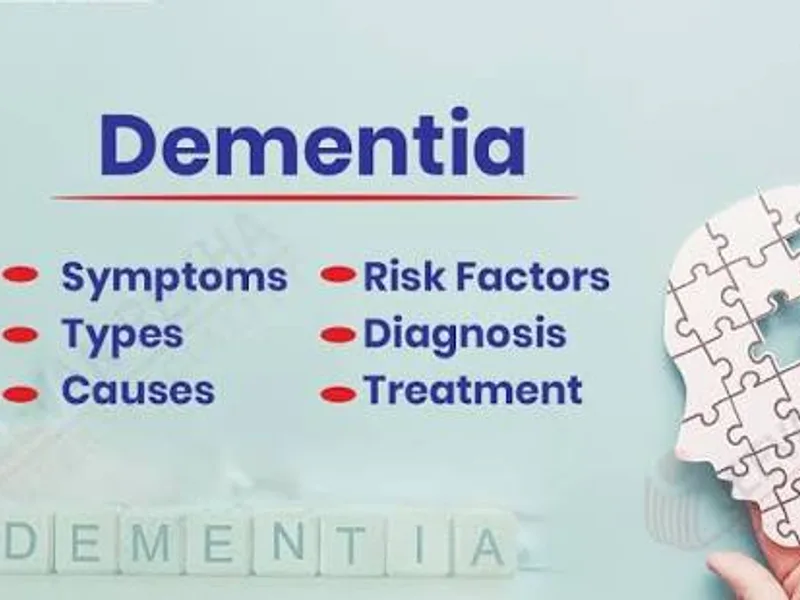
The term "forgetting disease" is commonly used by patients and families to describe dementia — a group of conditions that gradually affect memory, thinking, and the ability to carry out everyday activities. Dementia is one of the most common concerns among aging populations, and understanding it early can help families plan care, seek timely treatment, and improve quality of life for their loved ones.
This guide explains dementia in simple language, covering its causes, symptoms, stages, diagnosis, and the treatment and lifestyle approaches that can help manage it.
What is Forgetting Disease (Dementia)?
Dementia is not a single disease but a general term for a decline in memory, thinking, reasoning, and the ability to perform daily activities, severe enough to interfere with daily life. The most common form is Alzheimer's disease, but other types include vascular dementia, Lewy body dementia, and frontotemporal dementia.
While occasional forgetfulness is a normal part of aging, dementia involves a more significant and progressive decline that affects a person's independence, relationships, and overall quality of life. It primarily affects older adults, though early-onset forms can occur in younger individuals as well.
How the Nervous System is Affected
The brain relies on a vast network of nerve cells (neurons) that communicate through chemical and electrical signals to store and retrieve memories, process information, and coordinate thinking. In dementia, abnormal protein deposits or damaged blood vessels disrupt these connections, causing neurons to lose their ability to communicate effectively and, over time, to die.
Different types of dementia affect different brain regions first. For example, Alzheimer's disease often begins by affecting areas involved in memory formation, which is why memory loss is often an early symptom. Vascular dementia, on the other hand, results from reduced blood flow to the brain, often due to small strokes, which can affect various regions depending on where blood flow is reduced. As more brain cells are affected over time, a wider range of functions — including language, judgment, and movement — can become impaired.
Causes and Risk Factors
Dementia can result from several underlying conditions:
Alzheimer's disease – The most common cause, linked to abnormal protein buildup (plaques and tangles) in the brain.
Vascular dementia – Caused by reduced blood flow to the brain, often following strokes or chronic blood vessel damage.
Lewy body dementia – Associated with abnormal protein deposits affecting both thinking and movement.
Frontotemporal dementia – Affects the front and side parts of the brain, often impacting personality and behavior before memory.
Mixed dementia – A combination of more than one type, such as Alzheimer's and vascular dementia together.
Risk factors include:
Increasing age, particularly after 65
Family history of dementia
High blood pressure, diabetes, and high cholesterol
Smoking and excessive alcohol use
Lack of physical activity and social engagement
Untreated hearing loss
Head injuries, particularly repeated trauma
Early Warning Signs
Recognizing early signs of dementia can help families seek timely evaluation. Common early warning signs include:
Forgetting recently learned information or important dates
Asking the same questions repeatedly
Difficulty following conversations or finding the right words
Misplacing items and being unable to retrace steps
Trouble with planning or organizing tasks
Withdrawal from social activities or hobbies
Mood changes, such as increased anxiety or irritability
While occasional memory lapses are normal, a pattern of worsening forgetfulness that affects daily functioning warrants medical evaluation.
Common Symptoms
As dementia progresses, symptoms typically become more noticeable and affect multiple areas:
Significant memory loss, including forgetting familiar names or faces
Difficulty with language — struggling to find words or follow conversations
Disorientation to time and place, getting lost in familiar locations
Poor judgment and decision-making
Difficulty performing familiar tasks, such as cooking or managing finances
Changes in mood, personality, or behavior
Reduced ability to recognize danger or unsafe situations
In later stages, difficulty with basic activities like dressing, eating, or walking
Stages of the Disease
Dementia generally progresses through three broad stages, though the pace varies by individual and type:
Early (Mild) Stage: The person may experience mild memory lapses, occasional confusion, and difficulty with complex tasks, but can still function fairly independently with some support.
Middle (Moderate) Stage: Memory loss becomes more pronounced, and the person may need help with daily activities such as dressing, bathing, and managing medications. Behavioral changes, confusion about time and place, and difficulty recognizing people may increase.
Late (Severe) Stage: The person becomes fully dependent on caregivers for all daily activities. Communication becomes very limited, and physical abilities such as walking and swallowing may decline significantly.
How Doctors Diagnose the Condition
Diagnosing dementia involves a thorough evaluation, typically led by a Neurologist, to determine the type and underlying cause, as well as to rule out other treatable conditions that can mimic dementia symptoms.
The diagnostic process generally includes:
Detailed medical history – Including family history, current symptoms, and how they've developed over time.
Cognitive testing – Standardized tests to assess memory, attention, language, and problem-solving abilities.
Physical and neurological examination – Checking reflexes, coordination, and sensory function.
Brain imaging (MRI or CT scan) – Helps identify changes in brain structure, such as shrinkage or signs of reduced blood flow.
Blood tests – To rule out other causes of memory problems, such as thyroid issues or vitamin deficiencies, sometimes involving an Endocrinologist if hormonal imbalances are suspected.
Assessment of mood and mental health – Since depression can sometimes cause symptoms that resemble dementia.
Because some causes of memory problems are treatable, a thorough evaluation is important before concluding that symptoms are due to dementia.
Available Treatment Options
While most types of dementia cannot be cured, treatments can help manage symptoms, slow progression in some cases, and improve quality of life.
Medications
Cholinesterase inhibitors – May help improve memory and thinking symptoms in some types of dementia, particularly Alzheimer's disease.
Memantine – Used to manage moderate to severe symptoms by regulating certain brain chemicals.
Medications for managing behavioral symptoms – Such as anxiety, depression, or sleep disturbances, used cautiously and under close medical supervision.
Management of underlying conditions – Such as controlling blood pressure and cholesterol, which is particularly important in vascular dementia and may involve a Cardiologist for heart health management.
Therapies
Cognitive stimulation therapy – Activities and exercises designed to support memory and thinking skills.
Occupational therapy – Helps adapt daily routines and environments to support independence for as long as possible.
Physical therapy – Supports mobility, balance, and reduces fall risk.
Speech therapy – Helpful if communication or swallowing difficulties develop.
Counseling and support groups – Beneficial for both patients and caregivers to cope with emotional challenges.
Lifestyle Management
Maintaining a consistent daily routine to reduce confusion
Encouraging physical activity, such as walking, to support overall brain health
Engaging in mentally stimulating activities like puzzles, reading, or music
Ensuring good nutrition and hydration
Managing chronic health conditions like diabetes and blood pressure
Creating a safe home environment to prevent falls and accidents
Daily Living Tips for Patients
Use labeled calendars, clocks, and reminder notes to support orientation
Keep frequently used items in consistent, easy-to-find locations
Simplify daily routines and break tasks into small, manageable steps
Encourage social interaction with family and friends to support emotional wellbeing
Maintain regular sleep patterns, as poor sleep can worsen confusion
Use gentle reminders rather than corrections when memory lapses occur, to reduce frustration
Complications if Left Untreated
Without appropriate care and support, dementia can lead to several complications:
Increased risk of falls and injuries due to confusion or impaired judgment
Malnutrition and dehydration if the person forgets to eat or drink
Difficulty managing other health conditions, such as missed medications
Increased risk of infections, particularly in later stages
Social isolation and depression
Safety risks, such as wandering or accidents at home
Early diagnosis and ongoing support from a care team, including resources available at Advanced Treatment Hospitals in Kolkata, can help families plan ahead and reduce these risks.
Prevention and Risk Reduction
While not all forms of dementia can be prevented, especially those linked to genetics, certain lifestyle measures may help reduce risk or delay onset:
Managing cardiovascular health – Controlling blood pressure, cholesterol, and blood sugar levels supports healthy blood flow to the brain.
Staying physically active – Regular exercise supports overall brain health.
Maintaining social connections – Staying socially engaged may help support cognitive function.
Keeping the mind active – Activities like reading, learning new skills, or playing games may support brain health.
Treating hearing loss – Addressing hearing problems early may help reduce dementia risk.
Avoiding smoking and limiting alcohol – Both are associated with increased dementia risk.
Eating a balanced diet – Diets rich in fruits, vegetables, whole grains, and healthy fats support overall health, including brain health.
Frequently Asked Questions (FAQs)
1. Is dementia a normal part of aging? No, while some memory changes are normal with age, dementia involves a significant decline that affects daily functioning and is not considered a normal part of aging.
2. What is the difference between dementia and Alzheimer's disease? Alzheimer's disease is the most common cause of dementia, but dementia is a broader term that includes several other conditions as well.
3. Can dementia be reversed? Most forms of dementia cannot be reversed, though some causes of memory problems, such as vitamin deficiencies or thyroid issues, can be treated and improved.
4. How is dementia different from normal forgetfulness? Normal forgetfulness might involve occasionally misplacing items, while dementia involves a pattern of memory loss that affects daily life, judgment, and independence.
5. At what age does dementia usually begin? Most cases occur after age 65, though early-onset dementia can occur in younger individuals in some cases.
6. Can lifestyle changes reduce the risk of dementia? Yes, managing cardiovascular health, staying active, and keeping mentally and socially engaged may help reduce risk or delay onset.
7. What type of doctor should be consulted for memory concerns? A Neurologist is typically the right specialist to evaluate memory and cognitive concerns.
8. Is dementia hereditary? Some types have a genetic component, particularly certain early-onset forms, but many cases occur without a strong family history.
9. How can caregivers cope with the challenges of dementia care? Caregivers can benefit from support groups, respite care, education about the condition, and seeking help from healthcare professionals when needed.
10. Are there treatments that can slow dementia progression? Certain medications may help manage symptoms and, in some cases, may modestly slow progression, particularly when started early; treatment plans should be discussed with a specialist.
Conclusion
Dementia, often referred to as the "forgetting disease," is a progressive condition that affects memory, thinking, and daily functioning. While most types currently have no cure, early diagnosis, appropriate medical care, and supportive lifestyle measures can significantly improve quality of life for both patients and caregivers. If you notice persistent memory changes or other warning signs in yourself or a loved one, consulting a Neurologist for a thorough evaluation is an important first step toward understanding the condition and planning the right care.