GERD Disease
Introduction
Heartburn. That burning sensation rising from your chest to your throat is an experience familiar to almost everyone. But when that occasional discomfort becomes a daily agony, it may be more than just a spicy meal—it could be Gastroesophageal Reflux Disease (GERD).
GERD is a chronic digestive disorder that affects millions. It occurs when stomach acid flows back into the tube connecting your mouth and stomach (the esophagus). While it is primarily a mechanical issue involving a valve, the immune system and inflammation play a significant role in the damage it causes. Understanding GERD is essential because, if left untreated, it can damage the esophagus and affect your quality of life.
What is GERD Disease?
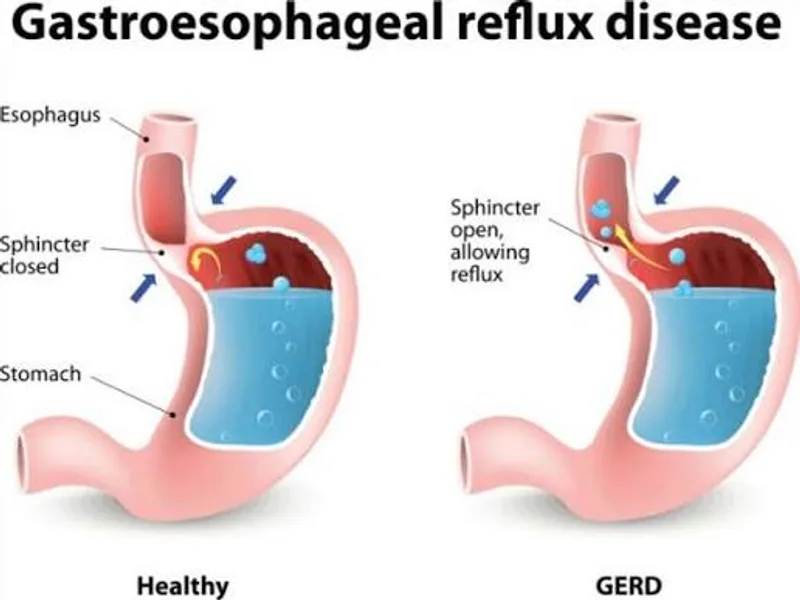
GERD stands for Gastroesophageal Reflux Disease. It is a chronic condition where the contents of the stomach—food, acid, and enzymes—flow backward (reflux) into the esophagus.
At the bottom of your esophagus, there is a ring of muscle called the Lower Esophageal Sphincter (LES). This is a one-way valve. It opens to let food into the stomach and closes to keep it there. In people with GERD, this valve is weak or relaxes at the wrong times. When the LES fails, acid splashes up, irritating the delicate lining of the esophagus. This is not just "heartburn"; it is a chronic condition that requires management to prevent long-term damage.
How the Immune System Normally Works
The esophagus is lined with a tissue called squamous epithelium, which is tough but not designed to handle acid. The stomach, on the other hand, has a thick, mucus-rich lining specifically evolved to withstand strong hydrochloric acid.
Normally, the immune system maintains a state of balance (homeostasis) in the esophagus. It doesn't encounter many threats, so it remains calm. If a small amount of acid refluxes occasionally, the esophagus clears it with swallowing and heals quickly without the immune system needing to intervene. The environment is sterile and calm.
What Goes Wrong in This Disease
In GERD, the frequent exposure to acid overwhelms the esophageal lining's ability to heal. The constant chemical burn breaks down the cells, allowing the acid to penetrate deeper layers.
This is where the immune system gets involved. The damaged cells release "danger signals." The immune system perceives the acid damage as an injury. It activates specialized cells (neutrophils and eosinophils) and releases inflammatory cytokines. This immune response causes swelling and redness (esophagitis). While the immune system tries to repair the damage, the chronic nature of GERD means the attack never stops, leading to persistent inflammation that can scar the esophagus.
Causes and Triggers
GERD is often a mechanical issue, but several factors can weaken the LES or increase acid production.
Hiatal Hernia: When the upper part of the stomach bulges through the diaphragm, the LES can no longer close effectively.
Obesity: Excess fat in the abdomen puts pressure on the stomach, pushing acid upward.
Pregnancy: Hormonal changes and pressure on the stomach increase reflux risk.
Dietary Triggers: Fatty/fried foods, spicy foods, citrus, tomato, chocolate, mint, and caffeine can relax the LES.
Smoking: Smoking reduces the production of saliva (which neutralizes acid) and weakens the LES.
Genetic and Environmental Factors
While GERD is mostly environmental and mechanical, genetics can play a role in how sensitive your esophagus is to acid or how much acid your stomach produces.
Environmental factors are the biggest contributors. The modern diet—high in processed fats, sugar, and carbonated drinks—creates a perfect storm for GERD. Sedentary lifestyles contribute to obesity, which is a primary driver of the disease. Frequent snacking late at night also gives the stomach no time to empty before lying down, encouraging reflux.
Symptoms and Warning Signs
The most common symptom of GERD is heartburn—a burning pain in the chest that often worsens after eating or when lying down.
Other symptoms include:
Regurgitation: Sour or bitter-tasting acid backing up into your throat or mouth.
Dysphagia: Difficulty swallowing or feeling like food is stuck in your chest.
Chronic Cough: A dry, hacking cough that is often worse at night.
Laryngitis: Hoarseness or a sore throat caused by acid burning the vocal cords.
Bad Breath: Chronic sour breath despite oral hygiene.
Diagnosis Process
If you experience GERD symptoms twice a week or more, you should see a specialist. A Gastroenterologist is the best doctor to manage chronic acid reflux.
To confirm the diagnosis and check for complications, the doctor may recommend an Endoscopy. During an Endoscopy, a thin, flexible tube with a camera is inserted down the throat. This allows the doctor to see inflammation (esophagitis), strictures (narrowing), or precancerous changes (Barrett’s esophagus). This is a vital procedure to rule out more serious conditions.
Treatment Options
Treatment aims to reduce acid reflux, heal the esophagus, and prevent complications.
Lifestyle Changes: Weight loss, elevating the head of the bed, and avoiding trigger foods are often the first steps.
Antacids: Over-the-counter medications like Tums provide quick, short-term relief.
H2 Blockers: Medications like famotidine (Pepcid) reduce acid production.
Proton Pump Inhibitors (PPIs): Stronger medications like omeprazole block acid production almost entirely, allowing the esophagus to heal.
Surgery: In severe cases, a procedure called fundoplication is done to tighten the LES and prevent reflux.
Diet and Nutrition Recommendations
Your diet is your first line of defense against GERD.
Avoid Acidic Foods: Limit tomatoes, citrus fruits (oranges, lemons), and vinegar.
Say No to Triggers: Avoid spicy peppers, onions, garlic, and peppermint.
Fatty Foods: Fried chicken, burgers, and cheese delay stomach emptying, keeping acid available longer. Choose lean meats and grilled options.
Alcohol and Caffeine: Both relax the LES and stimulate acid. Limit or avoid them.
Eat Early: Stop eating at least 3 hours before bedtime. This gives your stomach time to empty.
Daily Lifestyle Management
Simple changes can make a massive difference.
Elevate Your Head: Sleep with your head raised about 6 inches. Use a wedge pillow or put blocks under the bedposts. Gravity helps keep acid down.
Wear Loose Clothing: Tight belts and waistbands squeeze the stomach, pushing acid up.
Chew Gum: Chewing sugar-free gum after meals increases saliva production, which neutralizes acid.
Quit Smoking: Smoking weakens the valve, so quitting is one of the best things you can do for GERD.
Mental Health Impact
Living with chronic pain or the constant fear of "food going down wrong" can be stressful. The anticipation of pain before eating can lead to anxiety, which in turn can worsen digestion. The disruption of sleep due to nighttime reflux can lead to fatigue and irritability. Addressing the stress through mindfulness or therapy is an important part of the treatment plan.
Possible Complications
If GERD is ignored, it can lead to serious issues.
Esophagitis: Chronic inflammation that can cause bleeding and ulcers.
Strictures: Scar tissue builds up, narrowing the esophagus and making swallowing difficult.
Barrett’s Esophagus: The chronic acid damage changes the cells lining the esophagus. These precancerous cells increase the risk of esophageal adenocarcinoma.
Living Well with GERD Disease
You don't have to live in fear of food. By understanding your triggers and sticking to a medical plan, you can eat comfortably again. Regular monitoring is key, especially if you have chronic symptoms. You can find specialized care at the Best Hospital for GERD Disease or advanced gastro centers.
Frequently Asked Questions
Is GERD caused by too much acid?
Not necessarily. It is caused by acid in the wrong place. Some people have normal acid levels but a weak valve (LES).
Can I drink coffee?
Coffee is a major trigger for many because it relaxes the valve. Switching to low-acid coffee or drinking it with food may help, but often it must be avoided during active treatment.
Does milk help heartburn?
Milk provides temporary relief by coating the stomach, but it contains fat and protein that can eventually stimulate more acid. It is not a long-term solution.
Will I need an Endoscopy?
If you have chronic symptoms or "alarm symptoms" (like weight loss, difficulty swallowing, or bleeding), your doctor will recommend an Endoscopy to check for damage.
Where can I find help?
Consult a Gastroenterologist for a personalized treatment plan.
Conclusion
GERD is a chronic condition, but it is highly manageable. By respecting the mechanics of your digestive system—watching what you eat, how you sleep, and managing your weight—you can keep the acid where it belongs. Don't let reflux rule your life. With the guidance of a specialist and the right care, you can heal your esophagus and enjoy your meals again.