Gout Disease: The Painful Joint Condition You Can Control
Gout is one of the most painful forms of arthritis and one of the oldest recorded diseases in human history. Characterised by sudden, severe attacks of joint pain — most commonly in the big toe — gout results from the buildup of uric acid crystals in the joints. While intensely debilitating during flares, gout is also one of the most controllable forms of arthritis with the right treatment and lifestyle adjustments.
What is Gout Disease?
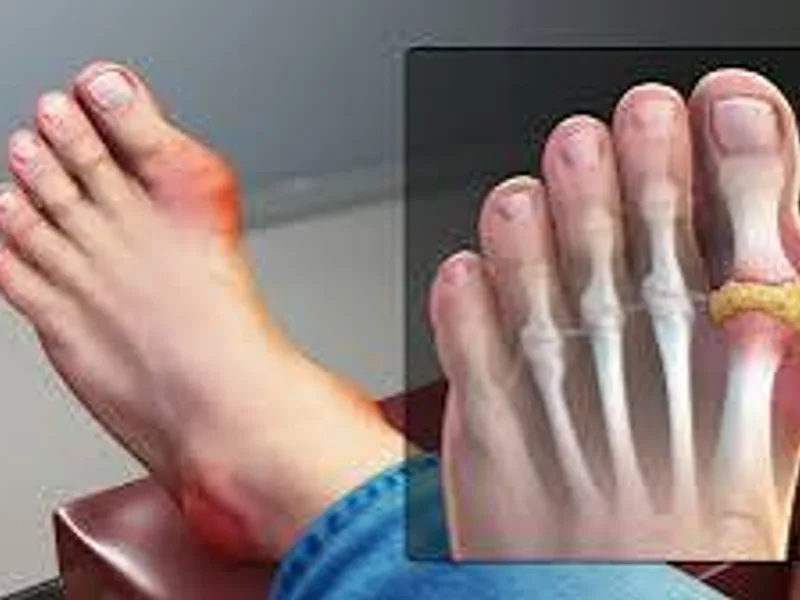
Gout is a metabolic disorder and inflammatory arthritis caused by hyperuricaemia — elevated levels of uric acid in the blood. When uric acid levels exceed the body's ability to dissolve it, monosodium urate crystals form and deposit in joints, tendons, and surrounding tissues. These crystals trigger an intense inflammatory immune response, causing the characteristic sudden, excruciating attacks of redness, swelling, warmth, and pain that define gout flares.
How the Immune System Normally Works
Uric acid is a natural breakdown product of purines — compounds found in many foods and produced by the body during normal cell metabolism. At normal levels, uric acid in the bloodstream serves as an antioxidant. The kidneys filter uric acid and excrete most of it in urine. The immune system normally does not react to uric acid at physiological concentrations.
What Goes Wrong in Gout
When uric acid concentrations become excessive — due to overproduction or under-excretion — crystals form and deposit in cooler peripheral joints (the big toe, ankles, knees). The immune system's neutrophils (white blood cells) detect these crystals as foreign bodies and mount an aggressive inflammatory response. They engulf the crystals but cannot destroy them. In doing so, they release massive amounts of inflammatory cytokines (IL-1beta is a key driver of gouty inflammation), causing the intense, sudden flare. This immune attack is the source of all the painful symptoms of gout.
Causes and Triggers
• High purine diet — organ meats (liver, kidneys), red meat, shellfish, anchovies
• Alcohol consumption — particularly beer and spirits, which both increase uric acid production and decrease excretion
• Sweetened beverages — fructose-rich drinks increase uric acid production
• Dehydration — concentrates uric acid in the blood
• Medications — diuretics, aspirin, and cyclosporine raise uric acid levels
• Kidney disease — impairs uric acid excretion
• Medical conditions — hypertension, diabetes, metabolic syndrome, hypothyroidism
Genetic and Environmental Factors
Genetics significantly influence uric acid metabolism — variations in genes encoding uric acid transporters (particularly SLC2A9 and ABCG2) affect how efficiently the kidneys excrete uric acid. Men are far more affected by gout than premenopausal women, as oestrogen promotes uric acid excretion. After menopause, women's risk equalises. Family history, obesity, and the co-existence of metabolic disorders strongly raise gout risk.
Symptoms and Warning Signs
• Sudden, intense joint pain — often beginning at night
• Most commonly affects the big toe (podagra), but also ankles, knees, wrists, fingers
• The affected joint becomes intensely red, swollen, warm, and shiny
• Even the weight of a bedsheet can cause excruciating pain during a flare
• Flares typically resolve within 7-10 days without treatment
• In chronic gout: tophi — chalky white deposits of urate crystals under the skin
• Kidney stones from urate deposits in the urinary tract
Diagnosis Process
Gold standard diagnosis is synovial fluid analysis — joint fluid is aspirated and examined under a microscope for monosodium urate crystals (needle-shaped, negatively birefringent under polarised light). Blood uric acid levels can be elevated, but levels may paradoxically be normal during an acute flare. Imaging (X-ray, ultrasound, or dual-energy CT scan) can detect crystal deposits. A Rheumatologist is the ideal specialist for confirming gout and distinguishing it from other forms of inflammatory arthritis.
Treatment Options
Treatment is divided into two phases:
• Acute flare management: NSAIDs (e.g., indomethacin), colchicine, or corticosteroids to rapidly suppress inflammation
• Long-term urate-lowering therapy (ULT): Allopurinol or Febuxostat reduce uric acid production; Probenecid enhances renal excretion
• Target uric acid levels below 6 mg/dL for most patients, and below 5 mg/dL for those with tophi
• Treating underlying conditions (hypertension, diabetes) that contribute to hyperuricaemia
Diet and Nutrition Recommendations
• Limit high-purine foods: organ meats, shellfish, anchovies, sardines
• Avoid alcohol — especially beer and spirits
• Avoid sugary drinks and foods with high fructose corn syrup
• Stay well hydrated — aim for 2-3 litres of water daily
• Include low-fat dairy, cherries, and vitamin C-rich foods which lower uric acid
• Maintain a healthy weight — obesity is a major gout risk factor
Daily Lifestyle Management
• Stay hydrated consistently throughout the day
• Rest and elevate the affected joint during a flare
• Apply ice packs to reduce inflammation (avoid heat during acute attacks)
• Maintain a healthy weight through gradual, sustainable dietary changes
• Take urate-lowering medication consistently — stopping leads to rebound flares
• Monitor and manage blood pressure and blood sugar levels
Mental Health Impact
Gout's unpredictable, intensely painful flares create significant anxiety. Patients often live in fear of triggering the next attack, leading to dietary restriction anxiety, social withdrawal, and activity avoidance. Chronic gout with tophi can cause disfigurement and disability, adding to psychological distress. Education, medication adherence, and lifestyle mastery all reduce uncertainty and help patients regain a sense of control.
Possible Complications
• Recurrent, increasingly frequent flares if untreated
• Chronic gouty arthritis with permanent joint damage
• Tophi formation in joints, tendons, and skin
• Kidney disease and kidney stones
• Cardiovascular complications — gout is an independent risk factor for heart disease
Living Well with Gout
Gout is eminently controllable. With appropriate urate-lowering therapy, consistent lifestyle changes, and regular monitoring, many patients achieve complete freedom from flares. For those with complicated gout or co-existing conditions, Best Hospitals for Gout in Kolkata provide integrated rheumatology and metabolic medicine services to manage the full clinical picture.
Frequently Asked Questions
Can gout be cured permanently?
Gout can be controlled to the point where flares are completely eliminated with consistent urate-lowering therapy. However, stopping treatment usually leads to recurrence.
Can I drink alcohol in moderation with gout?
Beer and spirits are best avoided entirely as they significantly raise uric acid. Wine in very small quantities may be less problematic but is still best minimised.
Why does gout affect the big toe specifically?
Urate crystals form more readily in cooler areas. The big toe's distal location means it is the coolest part of the body, making it the most common site for crystal deposition.
Conclusion
Gout is painful, but it is among the most treatable forms of arthritis. The combination of modern urate-lowering medications and informed dietary choices can eliminate flares and prevent long-term joint damage. Do not accept gout as inevitable suffering — it is a condition that, with the right approach, you can decisively control.