Hashimoto's Disease: When Your Immune System Attacks the Thyroid
Hashimoto's disease, also known as Hashimoto's thyroiditis or chronic lymphocytic thyroiditis, is the most common cause of hypothyroidism (underactive thyroid) in the developed world. Unlike hyperthyroidism where the thyroid races, Hashimoto's gradually slows the thyroid down — often over years — leaving patients fatigued, sluggish, and struggling to feel like themselves. This article explains Hashimoto's disease in plain language, covering its immune mechanisms, triggers, symptoms, and practical strategies for living well.
What is Hashimoto's Disease?
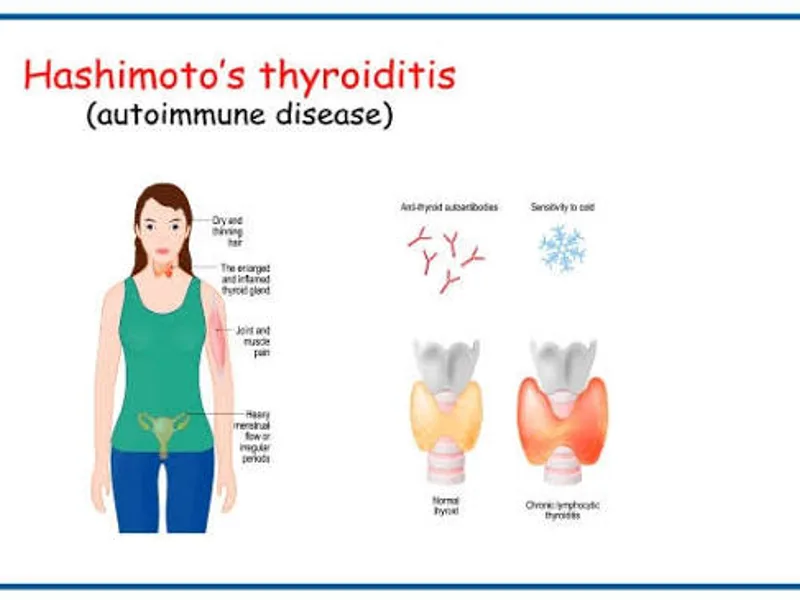
Hashimoto's disease is an autoimmune condition in which the body's own immune system mistakenly attacks the thyroid gland. Over time, this attack damages thyroid tissue, reducing its ability to produce sufficient thyroid hormones. The result is hypothyroidism — a state of low thyroid hormone that slows down the body's metabolism and affects nearly every organ and system. It is named after Dr. Hakaru Hashimoto, the Japanese physician who first described it in 1912.
How the Immune System Normally Works
Your immune system functions like a sophisticated security system. It continuously scans your body for threats, distinguishing your own cells from foreign invaders. Specialised cells called T-lymphocytes (T cells) and B-lymphocytes (B cells) work together — T cells directly attack infected or abnormal cells, while B cells produce antibodies that neutralise threats. Under normal circumstances, there are regulatory mechanisms that prevent immune cells from attacking healthy tissue.
What Goes Wrong in Hashimoto's Disease
In Hashimoto's, the immune system breaks down its tolerance to the thyroid. T cells infiltrate the thyroid gland and trigger inflammation (thyroiditis). B cells produce anti-thyroid antibodies — most notably anti-Thyroid Peroxidase (anti-TPO) and anti-Thyroglobulin antibodies — that target proteins essential for thyroid hormone production. This immune assault gradually destroys thyroid follicular cells, reducing the gland's ability to synthesise T3 and T4 hormones. The destruction is slow but progressive, often taking years before symptoms become noticeable.
Causes and Triggers
The exact trigger of Hashimoto's is not fully understood, but several factors are implicated:
• Genetic predisposition — the strongest known risk factor
• Hormonal fluctuations — particularly in women during pregnancy or menopause
• Excessive iodine intake, which can accelerate thyroid autoimmunity
• Viral or bacterial infections that may initiate molecular mimicry (where immune cells confuse thyroid proteins with pathogen proteins)
• Chronic stress and psychological trauma
• Radiation exposure
Genetic and Environmental Factors
Hashimoto's disease has a strong genetic component. It frequently coexists with other autoimmune conditions like Type 1 Diabetes, Rheumatoid Arthritis, and Lupus in the same individual or family. Women are affected 7 to 10 times more often than men. Environmental factors including selenium deficiency, high iodine intake, vitamin D deficiency, and gut microbiome imbalances have all been linked to increased autoimmune thyroid risk.
Symptoms and Warning Signs
Because Hashimoto's develops slowly, symptoms often creep in quietly:
• Persistent fatigue and sluggishness even after adequate sleep
• Unexplained weight gain
• Cold intolerance — always feeling chilly
• Constipation and slow digestion
• Dry skin, hair thinning, and brittle nails
• Brain fog, poor concentration, and memory issues
• Depression and low mood
• Muscle aches, stiffness, and joint pain
• Puffy face and swollen eyelids
• Irregular or heavy menstrual cycles
• Goitre — an enlarged thyroid visible as a neck swelling
Diagnosis Process
Diagnosis involves blood tests measuring TSH (typically elevated in hypothyroidism), free T4 (often low), and thyroid antibodies (anti-TPO and anti-thyroglobulin). A thyroid ultrasound may reveal a heterogeneous, irregular gland texture characteristic of Hashimoto's. Because symptoms overlap with depression, anaemia, and other conditions, many patients go undiagnosed for years. A knowledgeable Endocrinologist will synthesise test results with clinical symptoms for an accurate diagnosis.
Treatment Options
The primary treatment for Hashimoto's-induced hypothyroidism is daily oral thyroid hormone replacement:
• Levothyroxine (synthetic T4) is the standard treatment, taken on an empty stomach each morning
• Liothyronine (T3) or combination T4/T3 therapy for patients who don't fully respond to T4 alone
• Selenium supplementation has shown promise in reducing anti-TPO antibody levels
• There is currently no approved treatment to stop the immune attack itself
In rare cases where a very large goitre causes swallowing or breathing difficulties, Thyroid Surgery may be recommended.
Diet and Nutrition Recommendations
• Gluten-free diet — research suggests a link between Hashimoto's and gluten sensitivity/coeliac disease; some patients improve on a gluten-free diet
• Selenium-rich foods — Brazil nuts, tuna, sunflower seeds support thyroid function and may reduce antibodies
• Vitamin D — low levels are associated with autoimmunity; supplementation is often advised
• Limit goitrogenic foods (cabbage, kale, soy) in raw form, especially in large amounts
• Avoid excessive iodine from supplements or seaweed
Daily Lifestyle Management
• Prioritise quality sleep — thyroid hormone affects sleep architecture
• Gentle exercise like walking, swimming, or yoga; avoid over-exertion when fatigued
• Manage stress through mindfulness, journalling, or therapy
• Take medication consistently — same time, same conditions daily for optimal absorption
• Track symptoms in a diary to identify patterns and triggers
Mental Health Impact
Hashimoto's disease has a profound impact on mental health. Low thyroid hormone levels are directly linked to depression, anxiety, and cognitive decline. Many patients report feeling dismissed when their mental health struggles are not connected to their thyroid condition. It is important to address both aspects of health simultaneously. Therapy, support groups, and lifestyle adjustments complement medical treatment and significantly improve quality of life.
Possible Complications
• Myxoedema — severe hypothyroidism resulting in life-threatening metabolic slowdown
• Cardiovascular complications including high cholesterol and heart disease
• Peripheral neuropathy — nerve damage causing tingling and numbness
• Infertility and pregnancy complications
• Increased risk of other autoimmune diseases
Living Well with Hashimoto's Disease
Hashimoto's is a lifelong condition that requires consistent management, but it need not define your life. With appropriate hormone replacement, dietary adjustments, stress management, and regular monitoring, most people with Hashimoto's lead healthy, active lives. If you are seeking specialised thyroid care, Multispecialty Hospitals in Kolkata provide comprehensive endocrinology services for autoimmune thyroid conditions.
Frequently Asked Questions
Can Hashimoto's go into remission?
Yes. In some cases — particularly with early intervention, optimal nutrition, and stress reduction — antibody levels may decrease and thyroid function can partially recover. However, lifelong monitoring is still recommended.
Is Hashimoto's the same as hypothyroidism?
Not exactly. Hashimoto's is the autoimmune cause of most hypothyroidism cases, but hypothyroidism can also occur without an autoimmune basis.
Does Hashimoto's affect pregnancy?
Yes, it can affect fertility and increase the risk of miscarriage. Thyroid levels should be carefully monitored and managed during pregnancy.
Conclusion
Hashimoto's disease is a manageable autoimmune condition that responds well to consistent care. Understanding the immune underpinnings, making informed dietary choices, and working with a knowledgeable endocrine specialist are the foundations of living well with this condition. If you suspect thyroid issues, do not delay seeking a professional evaluation — early treatment prevents unnecessary suffering and long-term complications.